


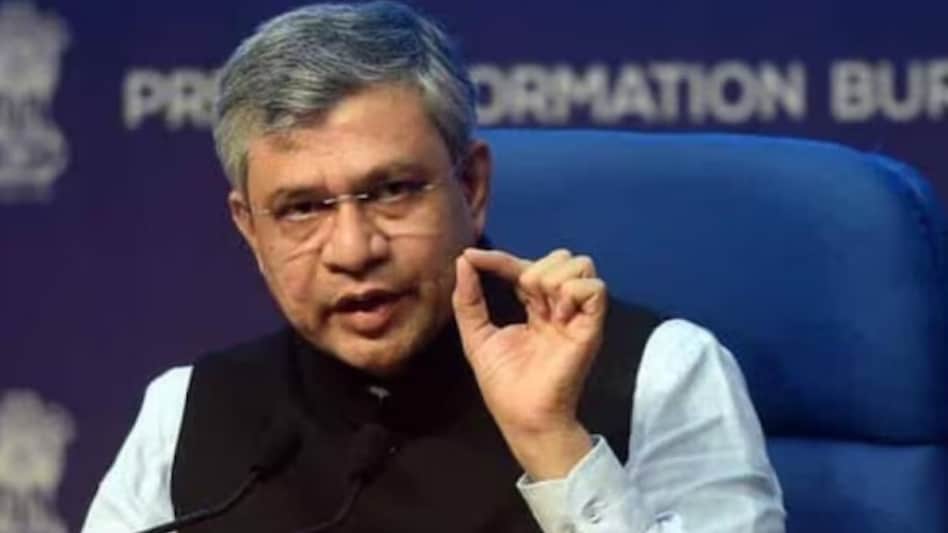
 Ashwini Vaishnaw, Minister for Railways, Communications, Electronics and Information Technology
By 2027, India is poised to become the third-largest economy globally," said Ashwini Vaishnaw, Minister for Railways, Communications, Electronics and Information Technology, Government of India, at the Fintech Festival India organized in Dwarka, New Delhi.
During his address at the three-day event, Vaishnaw underscored the transformative journey India has undergone in the past ten years. Notably, he highlighted that in 2014, India was ranked 11th in the global standings, whereas today it proudly occupies the 5th position. Shedding light on the exponential growth of key institutions, he emphasized that premier establishments such as AIMS and IIT have witnessed a remarkable doubling of their capacities.

 India’s AI bet goes global: 93% of businesses trust AI with data, 87% eye new markets
 RBI forex swap facility draws $72.85 billion inflows, FCNR(B) deposits account for bulk
  Delhi H1N1 outbreak: 1,777 cases recorded. Symptoms, who are at risk & how to stay safe
 FII sentiment shows early signs of turnaround after months of selling: Report
 UPI should remain free: Expert on why MDR could push merchants and consumers back to cash
 Meta’s $200 Billion Trial: Did Instagram & Facebook Keep Kids Hooked?
 Motor Insurance Explained: Is Third-Party Car Insurance Enough? Know Before You Buy
 Retirement Tax Planning: 5 Ways Senior Citizens Can Reduce Their Tax Liability
 #IndiaAt100 : Adipen Bose Nandhiji On Conscious Capitalism- Can Profit & Purpose Coexist?
 #IndiaAt100 : Hisashi Takeuchi On Driving India’s Manufacturing Revolution
 Crompton Greaves says no plan to sell stake, expects revenue to double by FY31
 Gaja Alternative Assets IPO: 3 ways to check application status; allotment odds, GMP, listing dateFII sentiment shows early signs of turnaround after months of selling: Report
 ₹24,800 crore bill: How transaction costs are eating into retail derivatives trading
 Cupid, NTPC Green, NTPC, Raymond Realty, HAL shares: Key technical levels to watchRBI forex swap facility draws $72.85 billion inflows, FCNR(B) deposits account for bulk
  India’s forgotten soft drink: This Pune brand is 142-years-old and predates Coca-ColaCrompton Greaves says no plan to sell stake, expects revenue to double by FY31Delhi H1N1 outbreak: 1,777 cases recorded. Symptoms, who are at risk & how to stay safeIndia’s AI bet goes global: 93% of businesses trust AI with data, 87% eye new markets












