












 Das has also decided to continue with the accommodating stance, meaning the RBI will continue with surplus liquidity policy in the system to support growth.
 Das has also decided to continue with the accommodating stance, meaning the RBI will continue with surplus liquidity policy in the system to support growth.
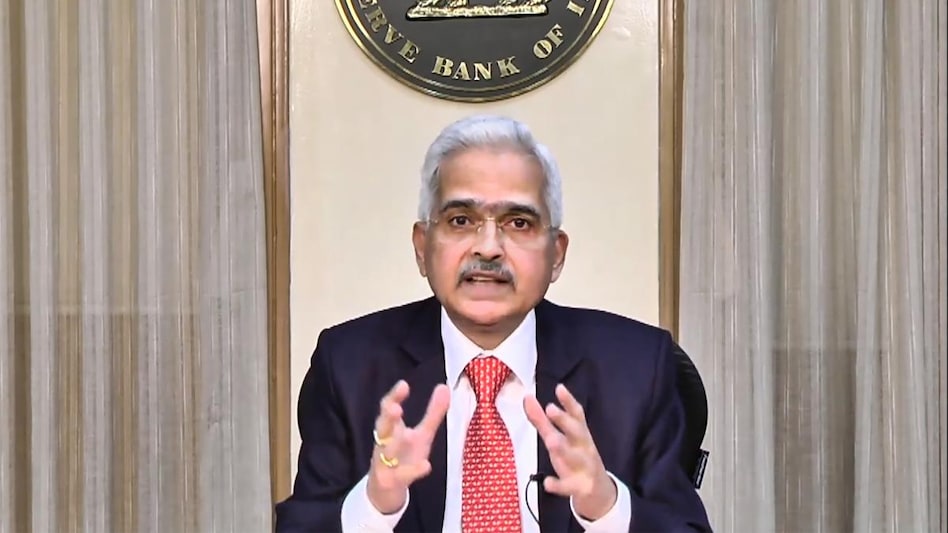
The Reserve Bank of India's (RBI) governor Shaktikanta Das today presented a hawkish commentary on the state of affairs of the economy and the inflationary pressure, but stayed away from tightening the monetary policy by increasing the interest rates.
Das has also decided to continue with the accommodating stance, meaning the RBI will continue with surplus liquidity policy in the system to support growth. There were expectations that the RBI could shift its stance from accommodating to neutral, which meant keeping the system at a marginal surplus. But he has further accelerated the process of withdrawal of post-pandemic measures, which created some sort of distortion in the rates.
Keeping repo rate unchanged at 4 per cent is a good sign for the retail borrowers as well as for the government, which has lined up huge borrowing programme in fiscal 2022-23. As they say, the future is full of surprises and highly unpredictable, hence as a result, the central bankers have to prepare for future events impacting the financial markets as well as the economy.
In fact, the geopolitical risk came just when everyone thought the COVID-19 virus had been tamed. Result? In less than two months, the RBI has been compelled to make a sharp downward revision in its real GDP and inflation forecasts.
The central bank has made a downward revision in real GDP growth from 7.8 per cent to 7.2 per cent. This is in line with the estimates of independent agencies. Take for instance, as per Asian Development Bank's (ADB) projection, the GDP has been pegged at 7.5 per cent, while the rating agency ICRA had sharply cut the growth forecast from 8.0 per cent to 7.2 per cent post the Russia- Ukraine conflicts and lockdowns in China.
"As the horizon was brightening up, escalating geopolitical tensions have cast a shadow on our economic outlook. Although India’s direct trade exposure to countries at the epicentre of the conflict is limited, the war could potentially impede the economic recovery through elevated commodity prices and global spill over channels," governor Das said.
The forecast for inflation has been upped sharply from 4.5 per cent to 5.7 per cent in 2022-23.
The retail inflation shot up to 6.07 per cent in February, which was much higher than the upper band of 6 per cent targeted by the RBI. In fact, the Consumer Price Index (CPI) numbers are hovering around 6 per cent since December last year. The situation was not any better during the last policy in February, when the RBI projected a surprisingly lower target for inflation. But this time the numbers are staring you down. For instance, the crude oil prices are on the boil. The government is already forced to revise domestic petrol and diesel prices, which will now in turn have an impact on food and other prices.
"Global supply chain disruptions and input cost pressures are now expected to linger even longer. The resurgence of COVID-19 infections in some major economies in March and the associated lockdowns run the risk of further aggravating the global supply bottlenecks and input cost pressures," said Das.
There is also a threat of imported inflation via currency as the rupee value against the US dollar has been depreciating. The current account deficit (CAD) is also estimated to touch 3.0 per cent of GDP in the current year. Given the slowing down of foreign inflows and the challenges ahead for the global economy, the situation on the trade front is not going to be better.
The tightening of easy liquidity conditions has already started in many countries. US Fed chairman Jerome Powell has said that he expects a series of interest rate hikes in 2022 , with reduced bond purchases. In fact, US Fed has also decided to trim down its large balance sheet size, which got widened post the global financial crisis. The Bank of England has already hiked short term interest rates for the first time in more than three years. Similarly, the central banks of Russia, Mexico, and a dozen others have raised their short-term interest rates.
In addition, there is an inflation danger from a large fiscal expansion post-pandemic with higher market borrowings. The government has budgeted a market borrowing of Rs 14.3 lakh crores in 2022-23. The Union Budget has targeted a fiscal deficit target of 6.4 per cent of GDP in 2022-23 as against 6.9 per cent in 2021-23. Any deviation in the fiscal consolidation path of achieving a fiscal deficit of 4.5 per cent by 2025-26 will fuel inflation in the longer run.
 World Bank sees India growth at 6.6% in FY27, flags inflation risk from energy prices
 Hormuz traffic crawls back, but Iran-linked ships dominate key oil route
 'There will be no exemptions': Trump threatens 50% tariffs on country supplying military weapons to Iran
 $1 per barrel in crypto: Iran's plan to charge ships crossing Strait of Hormuz; How it'll work
 PPFAS AMC gets PFRDA nod to manage NPS funds, expands into retirement segment
 Iran- U.S. Ceasefire Twist: China’s Hidden Role, Pakistan’s Big Slip
 U.S.- Iran Ceasefire Deal: Peace Breakthrough Or Tactical Pause?
 U.S.-Iran Ceasefire Boosts Markets | Sensex Soars, Oil Prices Crash
 “No LPG Shortage In India”: Govt Cracks Down On Black Marketing, Seizes 56,000 Cylinders In Big
 ₹26,000 Cr Kamala Hydro Project Approved | Big Boost For Northeast Power
 Sensex, Nifty outlook for tomorrow: Stock market strategy; resistance, support levels
 DCB Bank shares jump 7%; expert says management has 'HDFC Bank-like pedigree'
 Rs 90,000 crore deployed in markets by mutual funds in March, says Shweta Rajani
 Suzlon, Tata Power, Adani Power, Adani Green, NPTC, Inox Wind: Q4 preview, target prices
 HDFC, ICICI, SBI, Kotak Bank among 23 BFSI stocks to ‘Buy’ - Target prices