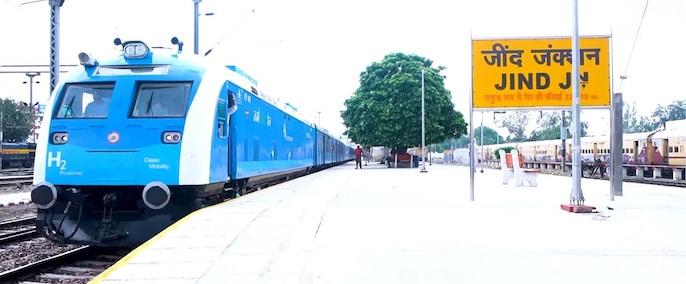
Passenger Puzzle
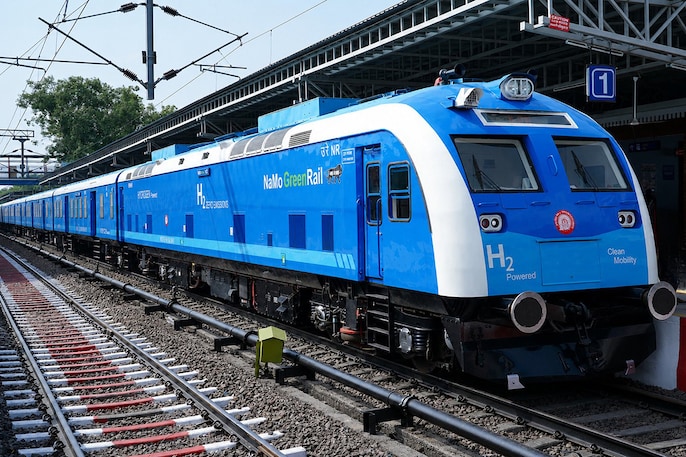
India’s lone hydrogen-powered train can carry up to 2,600 passengers, yet only around 40 to 60 people are using it across the entire 89-km Jind-Sonipat journey. The surprisingly low turnout has now pushed Railways to explore a very different route for the train.
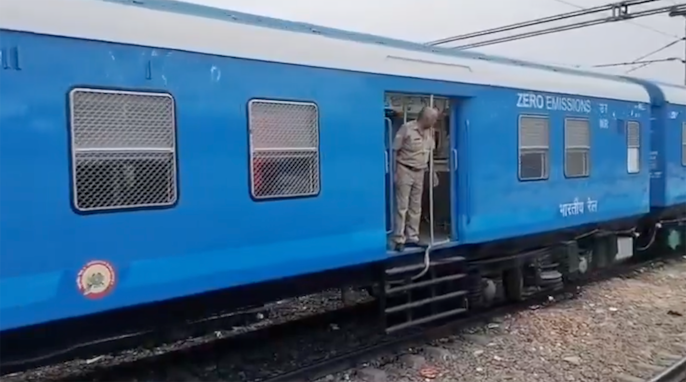
Delhi Push
The hydrogen train could soon travel beyond Haryana, with Railways examining an extension to Azadpur in Delhi, near the wholesale fruits and vegetables market. Officials are already conducting trial runs, but passenger safety and operational challenges will decide whether the ambitious extension goes ahead.
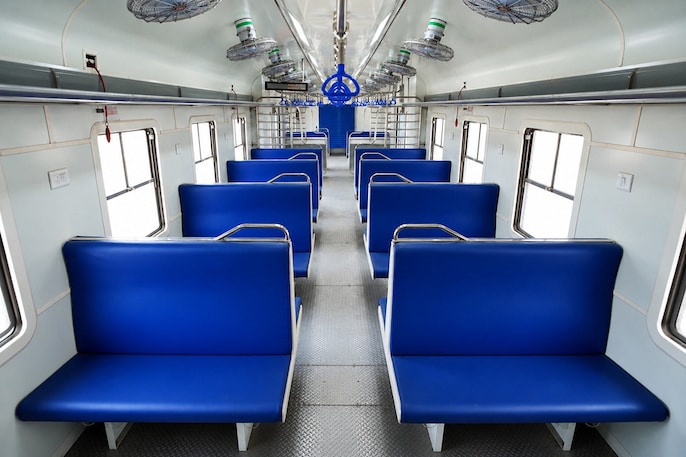
Capacity Clash
Taking the train to Delhi sounds straightforward, but there is a major catch: the hydrogen train has 10 coaches, while trains serving Delhi often need 18 to 20 coaches to handle heavy commuter demand. That capacity mismatch could become the biggest hurdle in its proposed expansion.
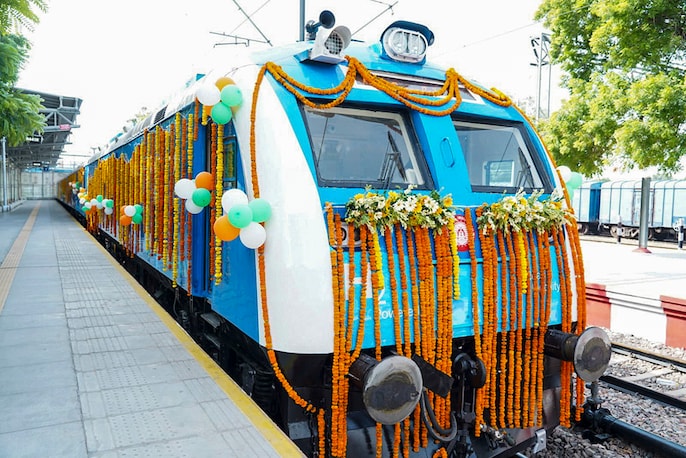
Fuel Advantage
The train can reportedly travel 250-300 km on a full tank, while Jind is about 130 km from Delhi. But there is another limitation: the hydrogen refuelling facility is currently available only at Jind, meaning any Delhi extension will have to account for where and how the train gets refuelled.
Haryana Circuit
If Delhi proves difficult, local passengers have another idea: turn the train into a 180-km circuit linking Jind, Sonipat, Panipat and Safidon. With Panipat’s industrial activity potentially bringing more daily commuters, the alternate route could address the very problem that triggered the rethink — low ridership.
 CEA On India’s 7.8% Growth, Rural Incomes And Government’s Job Creation Push
  Gold Price Outlook: Why Dollar Weakness Could Keep Gold And Silver Prices Attractive Ahead
 Gold vs Silver Investment Strategy: Is This The Right Time To Buy For Long-Term Returns?
 Corporate Vs Personal Health Insurance: Which Is Better On A Budget?
 Gold Price Outlook: Why Gold Could Rise Despite Global Interest Rate Hikes | Silver Market Update