Slowest Vande
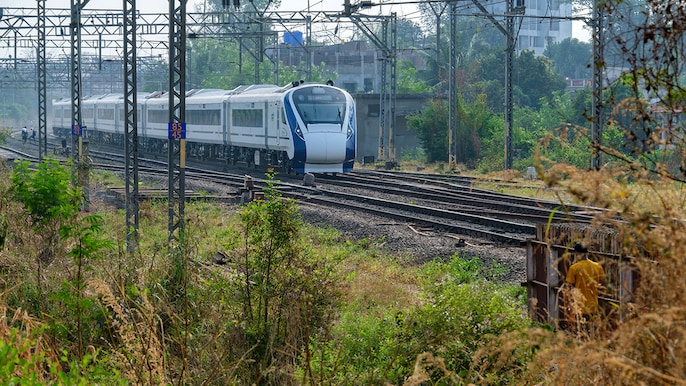
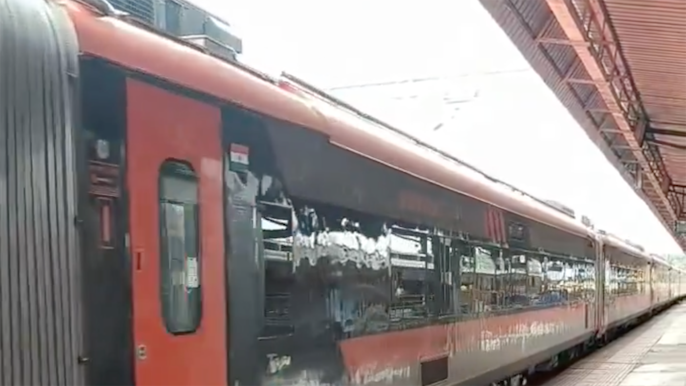
India's newest Vande Bharat could become its slowest! The proposed Yeshwantpur–Madgaon service, connecting Bengaluru with Goa, is expected to average just 53–54 kmph, slower than every other Vande Bharat currently operating in the country. Despite carrying the premium train's branding, its speed would be comparable to ordinary Mail and Express trains. But why is a train associated with faster travel moving so slowly?
Twelve-hour marathon
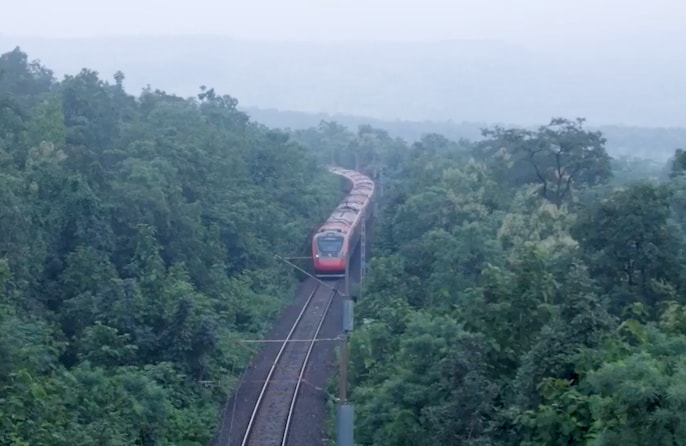
Nearly 13 hours inside a Vande Bharat Chair Car? That's what passengers travelling from Goa to Bengaluru could face! The proposed Yeshwantpur–Madgaon service will take 12 hours and 20 minutes in one direction and 12 hours and 55 minutes on the return journey. It is expected to become India's longest-duration Vande Bharat Chair Car service, surpassing the Pune–Ajni route's 12-hour journey. But there's another record that makes this extension unusual.
Speed shock
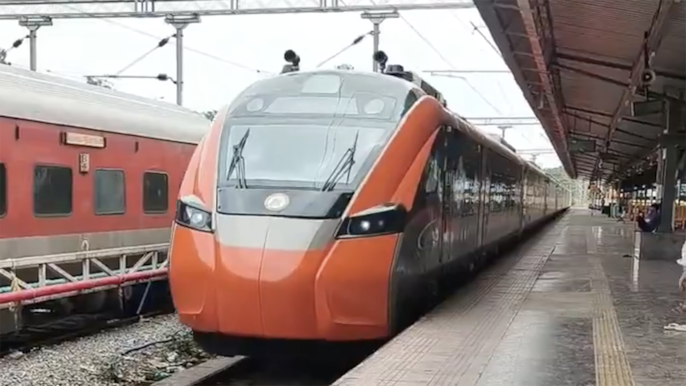
One Vande Bharat averages 95 kmph, while another could struggle to cross 54 kmph! The Varanasi–New Delhi service covers 759 km in eight hours, making it the fastest in the comparison. In contrast, the proposed Yeshwantpur–Madgaon Vande Bharat is expected to average just 53–54 kmph. That means India's premium train services could have dramatically different journey speeds depending on the route. What explains such a massive gap?
Superfast paradox
A Vande Bharat that may not even meet Indian Railways' conventional superfast speed threshold? The proposed Bengaluru–Goa service is expected to average 53–54 kmph, below the generally applied 55-kmph benchmark for superfast trains. Its operating speed would be closer to regular Mail and Express services. Yet passengers could still face premium train charges, with the applicability of superfast surcharges remaining unclear. Will travellers get the speed they expect?
 Why Are India-Bangladesh Ties Under Strain Again? Farakka Water Row, Trade Corridor & Sheikh Hasina
 Delhi Land Reclamation: Centre Reclaims 39.5 Acres Near PM House; Defence Concerns Emerge
 BT Exclusive | This Dhanteras, Jim Rogers Has A BIG Message For Gold & Silver Buyers!
 JD Vance Vs Trump: Iran War Rift, Midterm Defeat & The 2028 Presidential Ambition
 Karnataka's Diwali Price Shock: Guarantee Schemes Under Pressure As Nandini Milk, Ghee Gets Costlier; Bus Fares Up 23%