


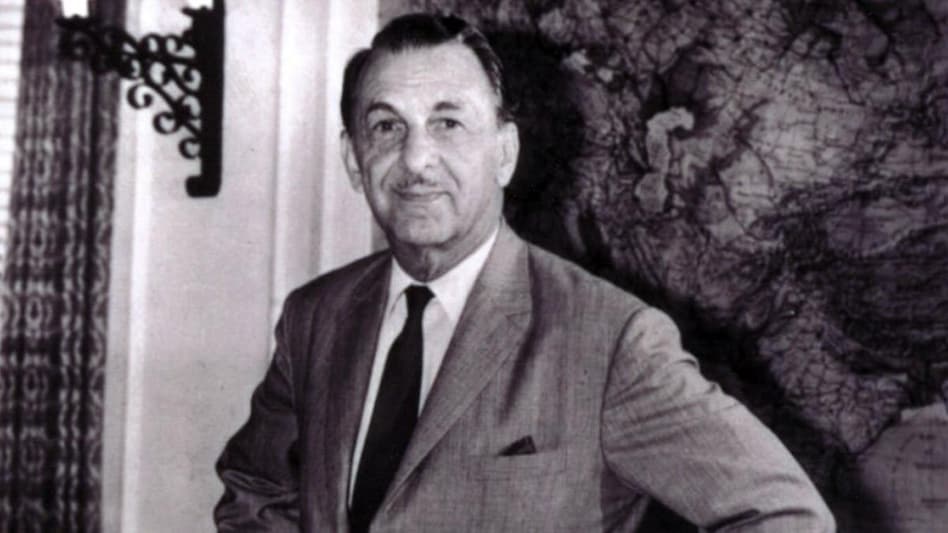
 The incident dates back to the early 1940s. (Pic: Harish Bhat/LinkedIn)
Britishers were harsh and followed discriminatory policies in pre-Independent India, but that did not deter some from resisting such practices. One such incident has come to light where former Tata Sons chairman JRD Tata took on Britishers for their discriminatory hiring policy in banking.
The incident dates back to the early 1940s, said Tata Sons' Brand Custodian Head Harish Bhat, who shared the story on LinkedIn. JRD Tata was appointed as the Director of the country's largest bank - Imperial Bank of India (now State Bank of India or SBI). At that time, the policy of the bank was that 50 per cent of all officers would be recruited from the UK/Europe.
 NSDL, CDSL, BSE shares: Check key technical levels to watch out for
 Bajaj Finance, L&T Finance, PNB Housing, Five-Star Finance: NBFC stocks to buy
 Raksha Bandhan 2026: Will NSE, BSE be closed on August 28? Check stock market holiday
 India, Canada eye Bilateral Investment Treaty to unlock ₹4.65 lakh crore trade by 2030
  Are banks closed on Raksha Bandhan? Check full list of states where physical operations are affected
 Nepal Flood Crisis: Massive Floods Leave Trail Of Destruction Across Rasuwa, Nuwakot And Chitwan
 Oseltamivir Shortage Explained: Why H1N1 Cases Are Driving Demand & Prices Are Varying Sharply
 Stock Market Outlook: Strong Earnings, Global Risks; What’s Next For Nifty Above 24,000?
 Lupin Stock Outlook: Citi Downgrade Vs Bernstein Buy; Is The Pharma Stock A Buy Now?
 Polycab, KEI Industries: BofA Buy Calls, Targets Up To ₹11,000; Sunny Agrawal Picks Polycab
 SBI Funds share price: Jefferies initiates coverage with Buy, 26% upside target
 Stock market: Rising US bond yields to trigger selloff? What Emkay says Raksha Bandhan 2026: Will NSE, BSE be closed on August 28? Check stock market holidayBajaj Finance, L&T Finance, PNB Housing, Five-Star Finance: NBFC stocks to buyNSDL, CDSL, BSE shares: Check key technical levels to watch out for
 Smartphone prices may stay high through 2028 as memory crisis threatens cheap phones
 'Awarapan 2' Box Office: Emraan Hashmi starrer eyes ₹150 crore net after weak midweek collections
 'Biggest threat...': Ex-Air Marshal says Pak activated spies to track S-400 location during Op SindoorSBI Funds share price: Jefferies initiates coverage with Buy, 26% upside target
 iPhone privacy screen hack: Skip privacy glass and use Back Tap and White Point settings instead












