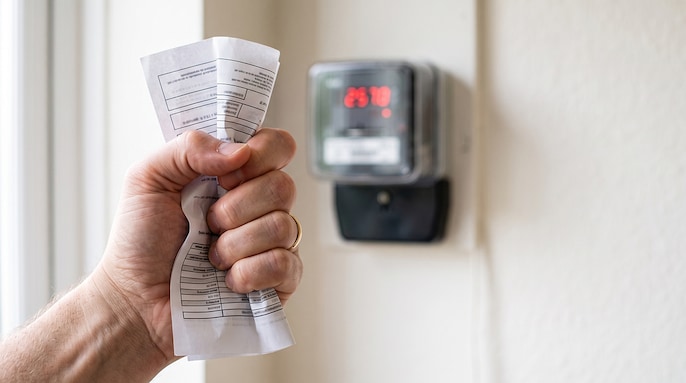
Bill Shock
A cooler may keep your room comfortable, but an AC can completely change your electricity bill. The biggest surprise comes when both appliances run for the same number of hours — the difference in monthly expenses can leave many households reconsidering their cooling choices.
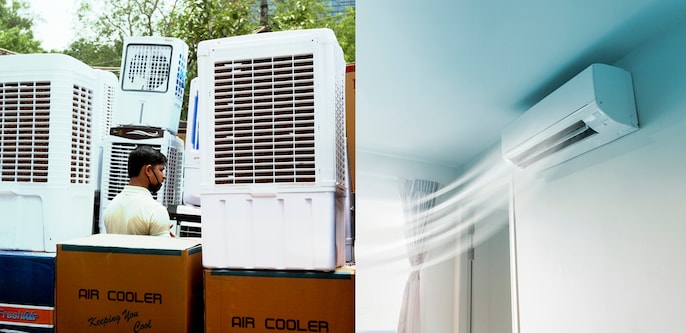
Power Battle
The fight between AC and cooler is not just about comfort, but electricity consumption. While a regular air cooler runs on a few hundred watts, a 1.5-ton AC demands significantly more power because of its compressor-driven cooling system.

Tenfold Gap
The electricity difference between an AC and cooler is bigger than many people imagine. In similar usage conditions, an AC can consume nearly 10 times more power than a cooler, making daily cooling habits a major factor behind rising summer bills.

Hidden Cost
Switching on an AC for long hours may bring instant relief from heat, but the hidden cost appears when the electricity bill arrives. A few hours of daily cooling can add thousands of rupees to monthly expenses during peak summer months.

Compressor Secret
The reason behind the massive power gap lies inside the machines. A cooler mainly depends on a fan and water pump, while an AC uses a heavy-duty compressor that works harder to remove heat and maintain low temperatures.

Inverter Myth
Many consumers believe inverter ACs completely solve high electricity costs, but the reality is more complicated. While they adjust power usage according to cooling needs, they can still consume far more electricity than a traditional air cooler.
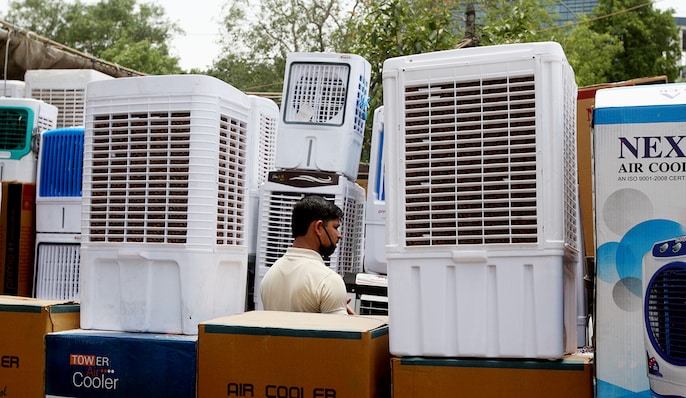
Smart Cooling
Choosing between an AC and cooler depends on climate, room conditions and budget. While coolers can be efficient in dry regions, ACs offer consistent cooling across weather conditions — making smart usage the key to controlling bills.
 7.1 Quake Shakes Southern Japan: Roads Split, Buildings Burn, Hundreds Of Thousands Evacuated
 How Mohammad Irfan Went From Street Hawker To India's Most Viral Protest Voice
 Congress Vs BJP Clash In Lok Sabha Over Anti-Paper Leak Bill 2026 As Opposition Questions Police
 "Justice Delayed Is Justice Denied": Bansuri Swaraj Hails Anti-Paper Leak Bill Strict Penalties
 CM Rekha Gupta Approves ‘Delhi Lakshmi Yojana’; Women To Get ₹2,500 Monthly Financial Assistance