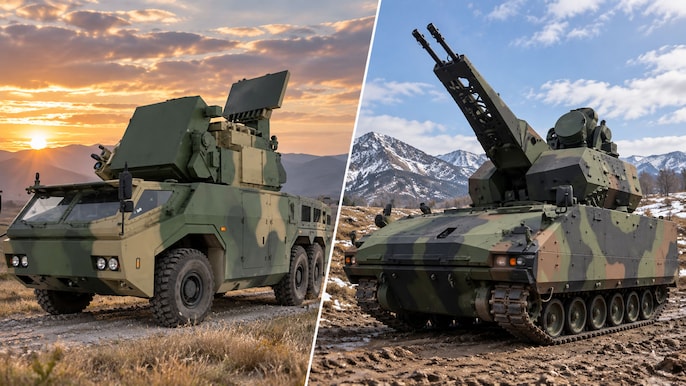
The Pakistan Air Force showcased the Chinese HQ-17A family and Türkiye’s KORKUT around its Defence Day observances. Public reporting does not establish how many units were acquired, where they are deployed or the terms of any procurement contract. (AI generated representative image)
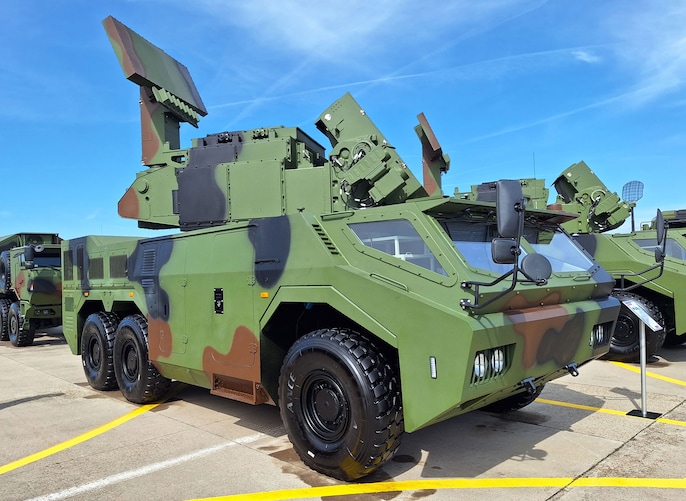
The HQ-17A family is designed for point defence against low- and medium-altitude targets, including aircraft, helicopters, cruise missiles and drones. Reports identify the displayed model as the export HQ-17AE, but the PAF has not publicly confirmed its precise configuration. (Credit: Wikipedia)
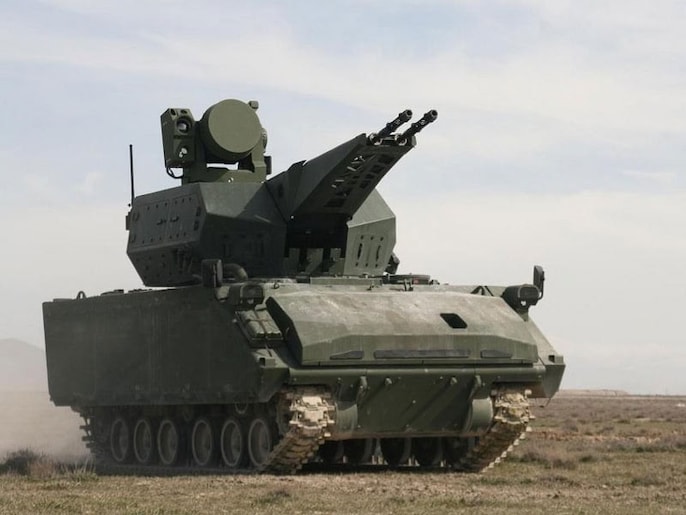
KORKUT is a self-propelled anti-aircraft gun system developed by ASELSAN. Its gun-based design is intended for close-range targets, including drones, giving it a different job from the missile-based HQ-17 family.
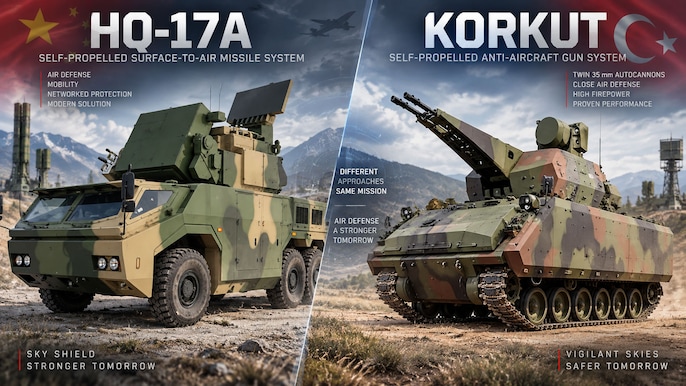
HQ-17A and KORKUT are meant to protect the inner layer around important sites after longer-range systems engage a threat. Their presence alone cannot show how well radars, command networks and different weapons would work together in combat. (AI generated representative image)
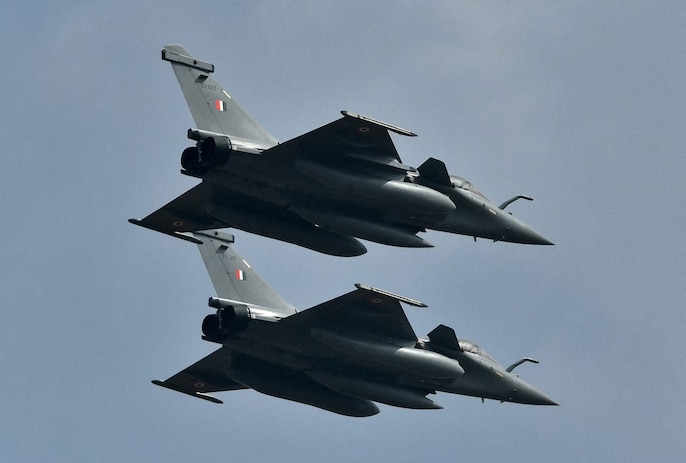
India said on May 8, 2025 that Operation Sindoor targeted Pakistani air-defence radars and systems, including one at Lahore. The later display signals an effort to reinforce point defence, but it is not evidence that the earlier vulnerabilities have been eliminated.
 Apple iPhone Duo Foldable Launch: India Price Shock, Specs, Features & Global Price Difference
 SBI’s AI Vision: How Agentic AI Could Transform Banking For Millions Of Indians
 Gold Loan Stocks In Focus: Muthoot, Manappuram & Titan Among Top Picks For Festive Season
 Real Estate Stocks In Focus: Expert Reveals Names Top Picks Amid Strong Project Demand
 Delhi PG Mafia Exposed: Inflated Rents & DU Hostel Shortage Crisis | India Today Investigation