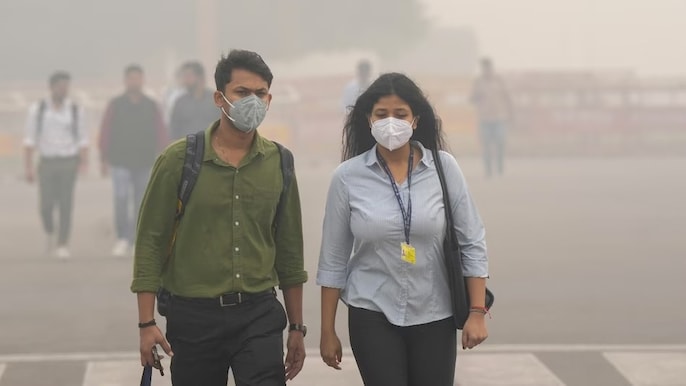
India’s AQI bands are Good (0–50), Satisfactory (51–100), Moderate (101–200), Poor (201–300), Very Poor (301–400) and Severe (401–500). Each category places the numerical reading within a defined range for public information.
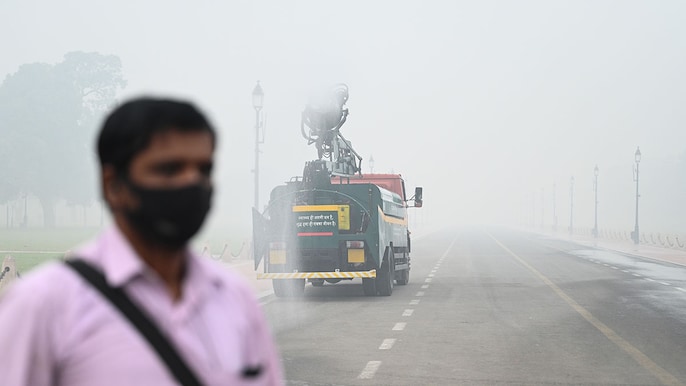
AQI considers PM2.5, PM10, nitrogen dioxide, sulphur dioxide, carbon monoxide, ozone, ammonia and lead. Their measured concentrations are converted into individual sub-indices, turning different pollutant readings into values on a common scale.
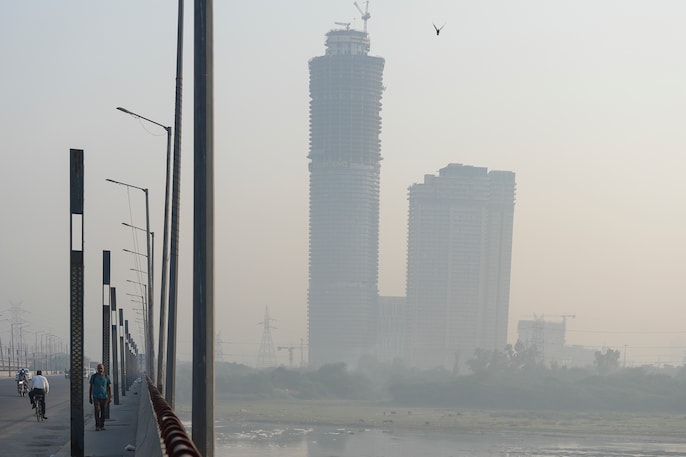
Delhi’s AQI was reported at 167 at 7 am IST on October 27, placing it in the moderate category. That reading is a morning snapshot; the latest local update is needed to assess conditions later in the day.

The reported AQI is determined by the highest relevant pollutant sub-index. One pollutant can therefore drive the overall category even when the others are lower; the final number is not a simple average of them all.
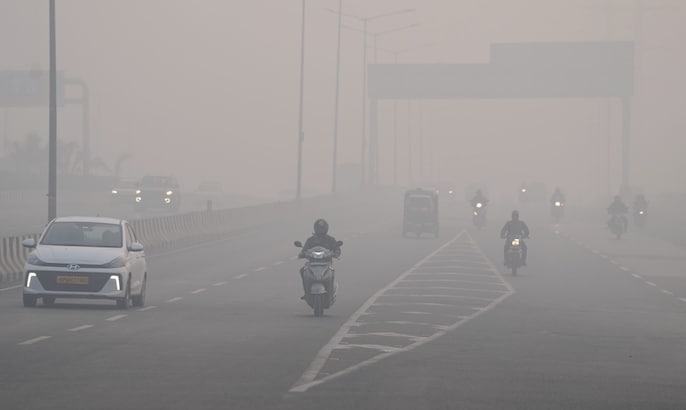
A station reading describes a particular location, while a city summary covers a wider area. Check the monitoring site and timestamp before comparing numbers. A photograph of haze alone cannot establish the AQI category.

CPCB pairs AQI categories with public-health guidance. Read the relevant advisory alongside current local data, particularly when pollution sensitivity is a concern. A city-level figure will not capture every neighbourhood’s conditions throughout the day.
 Are SIPs And LTCG Tax Driving FIIs Away From India? Expert Explains The Real Reasons Behind Outflows
 Personal Medical Fund Vs Health Insurance: Which One Do You Need?
 India's Market Outlook: Is The Worst Over? Mihir Vora Sees Hope For D-Street Ahead Of Next Diwali
 Nitin Gadkari: ‘Better Roads Cut India’s Logistics Costs, Boost Jobs And Drive Growth’
 Mihir Vora On Mutual Fund Strategies For Samvat 2083 | Where To Invest This Diwali?