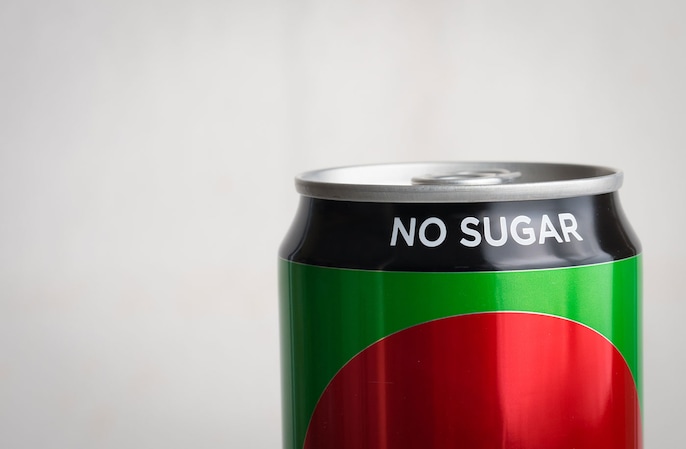
A recent Australian study found that just one can of diet soda a day can increase the risk of developing type 2 diabetes by 38%—surprising many who thought it was a healthier alternative.

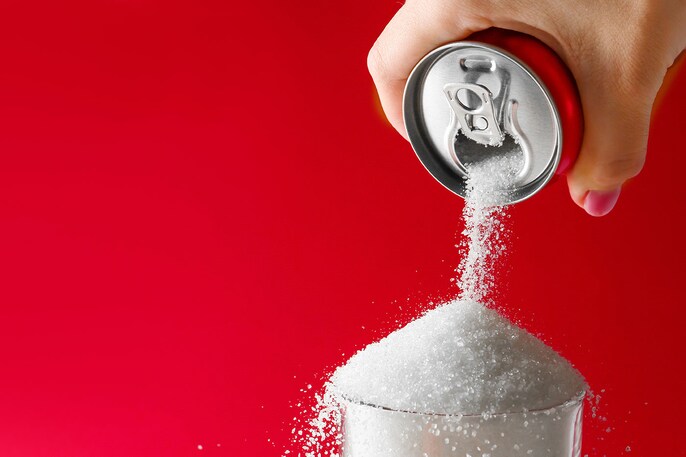
Surprisingly, artificially sweetened drinks were linked to a greater risk than regular sugary sodas, which were associated with a 23% higher risk.

Researchers tracked over 36,000 Australian adults for nearly 14 years, concluding that both diet and sugary drinks pose significant risks to health.
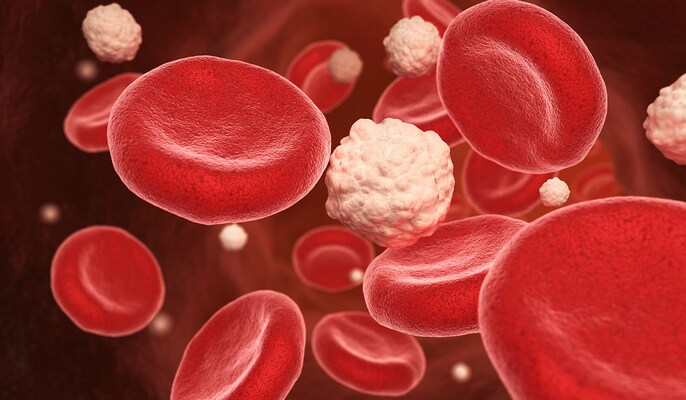
Even after adjusting for body weight, the study found that artificially sweetened drinks had a direct effect on metabolism, raising concerns about their impact on blood sugar regulation.

The study suggests that diet sodas, often marketed as healthier, may carry their own risks, challenging the widespread belief that they are a safe alternative to sugary drinks.
The connection between diet soda and diabetes is particularly alarming since it remained strong even when researchers controlled for obesity, pointing to metabolic disruptions.
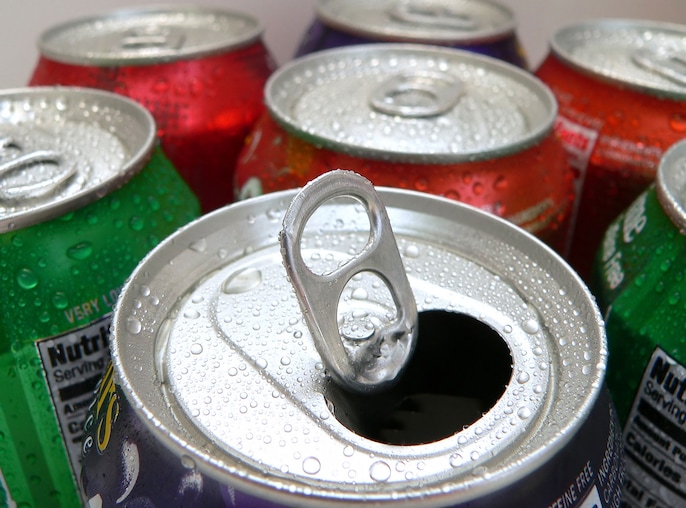
While sugary drink taxes are gaining traction globally, the study emphasizes that public health policies must also address artificially sweetened beverages, which may not be as benign as assumed.

With over 500 million people worldwide affected by type 2 diabetes, the need to reevaluate beverage choices and their role in global health is more urgent than ever.

Experts advocate for broader public health policies that reduce the intake of all non-nutritive beverages—not just sugary ones—to address rising diabetes rates.
 7.1 Quake Shakes Southern Japan: Roads Split, Buildings Burn, Hundreds Of Thousands Evacuated
 How Mohammad Irfan Went From Street Hawker To India's Most Viral Protest Voice
 Congress Vs BJP Clash In Lok Sabha Over Anti-Paper Leak Bill 2026 As Opposition Questions Police
 "Justice Delayed Is Justice Denied": Bansuri Swaraj Hails Anti-Paper Leak Bill Strict Penalties
 CM Rekha Gupta Approves ‘Delhi Lakshmi Yojana’; Women To Get ₹2,500 Monthly Financial Assistance