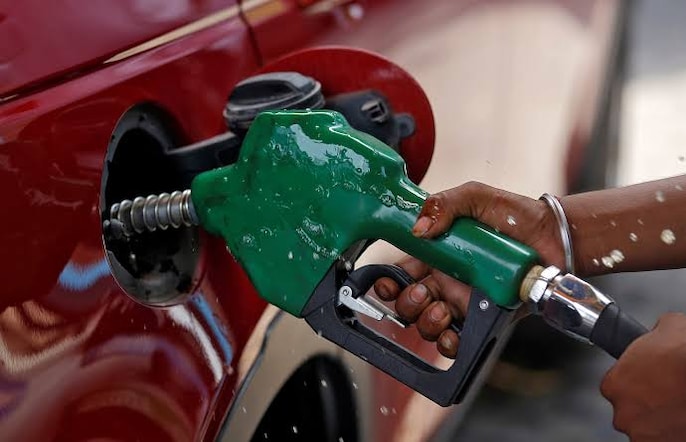
April 2027 brings the first phase of stricter vehicle safety norms, along with India's new CAFE 3 fuel-efficiency rules. One is about protecting people and the other about cutting fuel use and emissions. Both can add cost, and small cars have the least room to absorb it.
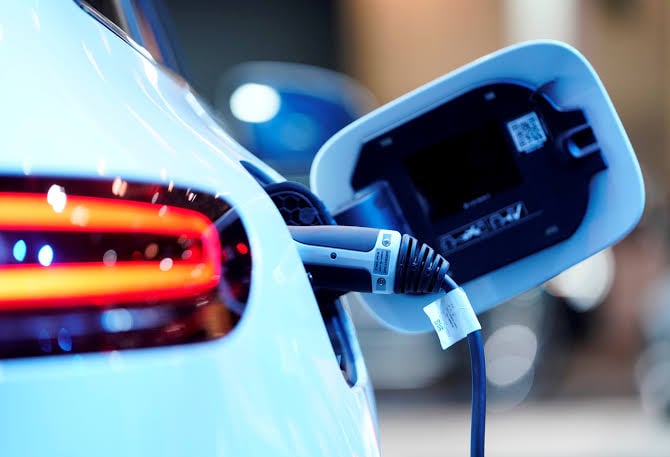
The Road Transport Ministry is phasing in stricter standards for crash protection, pedestrian safety and anti-theft systems. A separate rear-impact rule from April 2029 will require petrol and diesel cars to avoid fuel leaks and EVs to avoid battery damage in rear-end crashes.
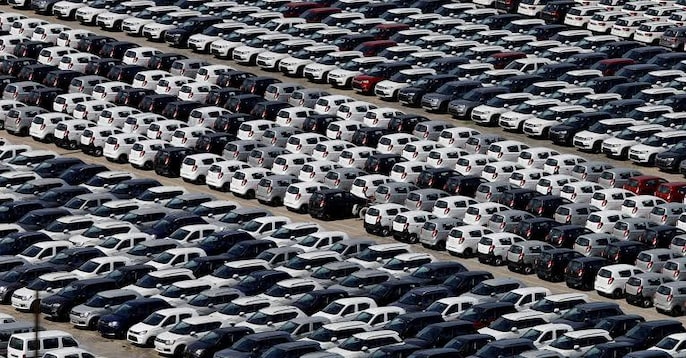
An unnamed industry executive told The Hans India that entry-level hatchbacks could cost at least ₹10,000 more because of extra materials, engineering and testing. That is one estimate, not an official figure. The circular does not say how much carmakers will absorb and how much buyers will pay.
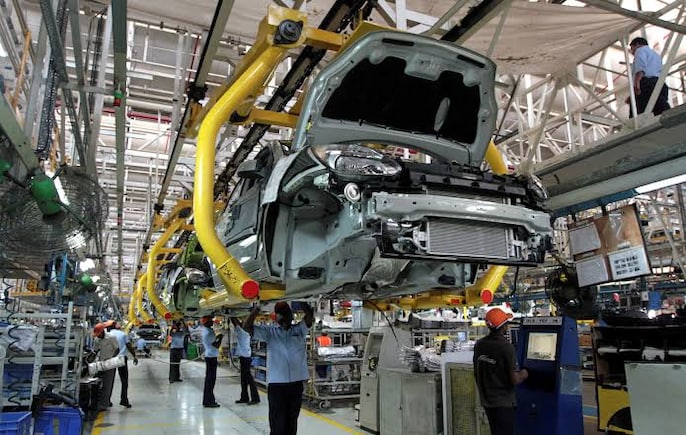
CAFE sets fleet-average targets for each carmaker rather than limits for each car. The new phase runs from 1 April 2027 to 31 March 2032, with tests moving to the WLTP procedure. Electric cars earn three times the credit, which pushes makers towards EVs and hybrids.
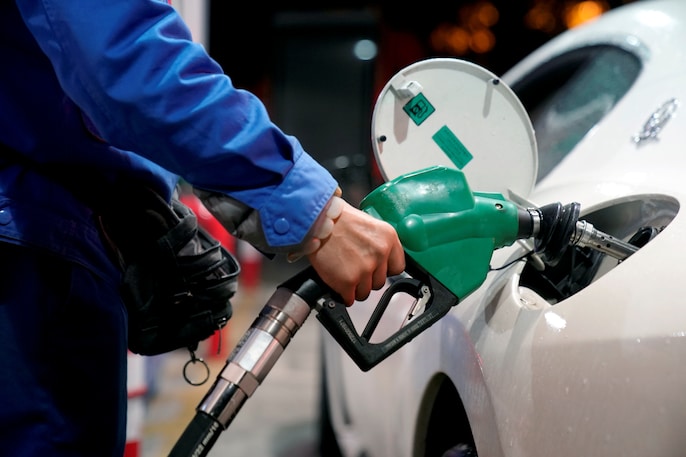
A September 2025 draft had proposed relief for small petrol cars, but the final rules reportedly dropped it. Autopunditz says weight-based targets may still help lighter cars. If a carmaker falls short, it can buy credits from the Bureau of Energy Efficiency at ₹2,500 per g CO2/km in FY28, rising to ₹4,500 by FY32.
Not on these numbers alone. An April 2026 report cited rises of ₹20,000 to ₹1.25 lakh, but that came before the final rules, and CAFE 3 has no automatic price increase. Buyers should weigh offers, need and safety. A safer car may also be worth paying for.
 Is SIF Right For You? Strategy, Risk And Returns Explained
 India's Gold Demand Crashes 29%: Modi's Appeal, High Prices Hit Buying Appetite
 Trump’s Plan B: How White House Could Govern Without Congress | US Midterm Elections
 32,490 Trees At Risk? Maharashtra’s Saidongar Project Sparks Row
 From Wheat And Bajra To Chillies And Tomatoes: A Farmer’s Solar Experiment In Rajasthan