Delhi contains landmarks closely connected with independence, national leadership and military sacrifice. However, heightened security, ceremonial access and holiday closures mean that some venues cannot be visited normally on August 15. Plan the itinerary for the days before or after the celebration.
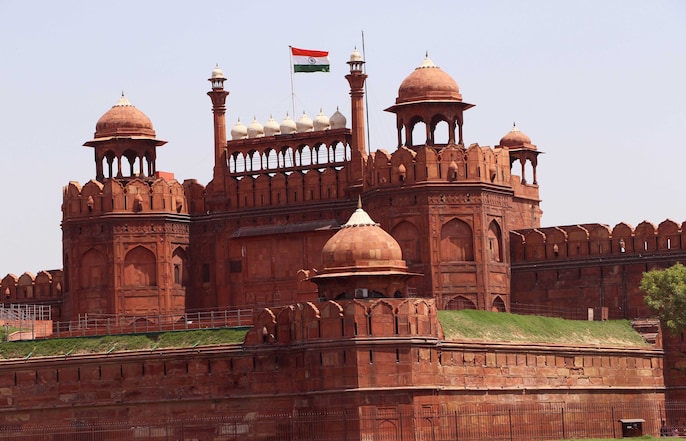
The Prime Minister hoists the national flag and addresses the country from the Red Fort’s ramparts every Independence Day. For 2026, the Archaeological Survey of India has closed the monument to ordinary visitors from July 15 through August 15 for preparations and the ceremony.
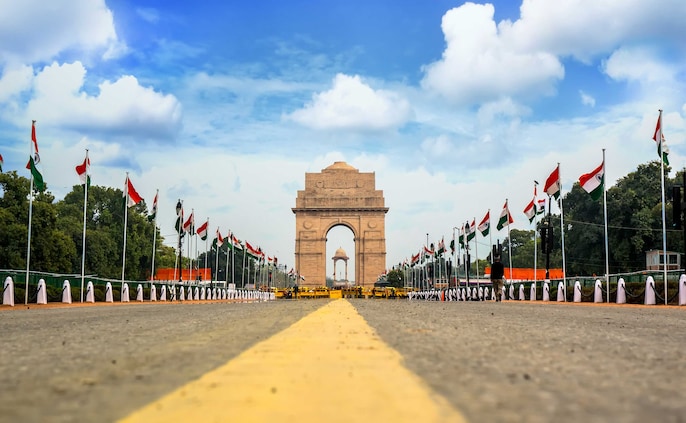
India Gate commemorates soldiers of the British Indian Army who died in conflicts including the First World War and the Third Anglo-Afghan War. The nearby National War Memorial honours personnel of independent India’s armed forces, with names recorded on its Tyag Chakra walls.
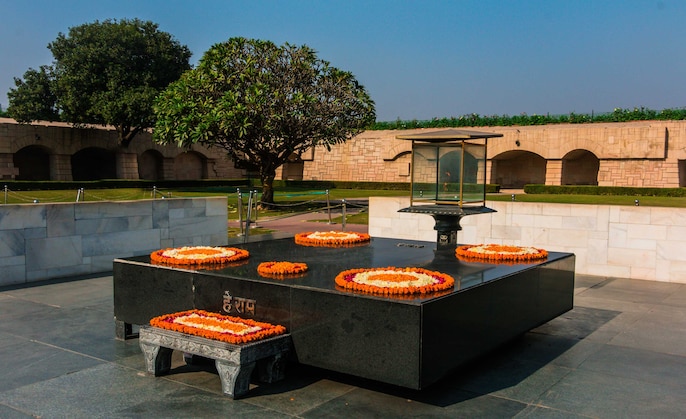
Rajghat’s square black-marble platform marks the place where Mahatma Gandhi was cremated. Its gardens provide a setting for reflection on his role in the independence movement and his philosophy of non-violence. Access may still be affected by central Delhi security arrangements.
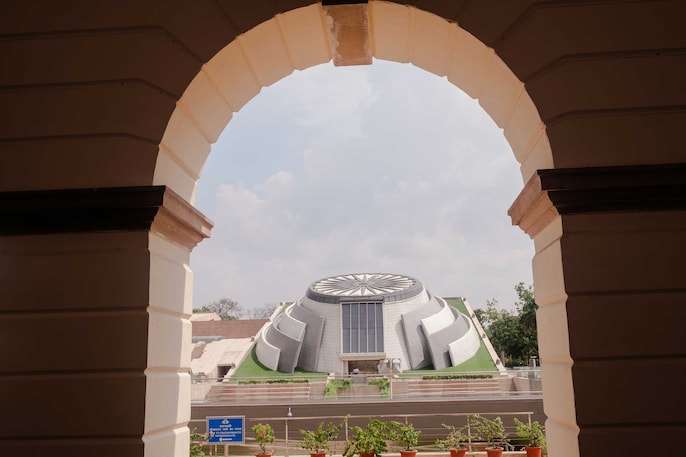
The museum at Teen Murti uses archives, artefacts and interactive exhibits to trace the work of India’s prime ministers. Its official website states that it is closed on Mondays and gazetted holidays. Because Independence Day is a gazetted holiday, it should not be recommended as an August 15 visit.
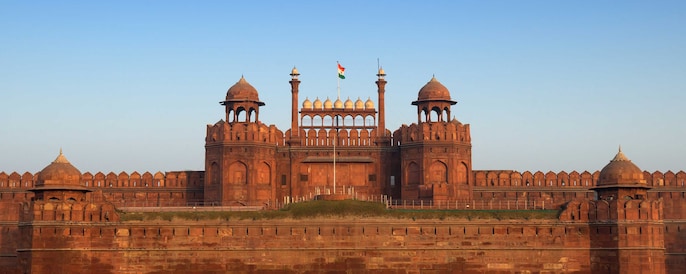
Road closures and diversions apply around Red Fort and parts of central Delhi on August 15. Even open-air locations may have controlled access. Check Delhi Traffic Police and the venue’s official website immediately before travelling.
 Gadkari: FASTag Is More Than Toll Payment, It’s Digital Mobility Infrastructure
 Russia Eyes Bigger India Investments: Sberbank CEO Herman Gref On The Next 2-3 Years
 India’s Cybersecurity Is Still In The Awareness Phase?
 Modi-Putin Meet: Trade Deficit, Defence And The Next Phase Of India-Russia Ties In Focus
 Sberbank CEO Herman Gref: Sberbank Could Handle More Than 15% Of India-Russia Trade This Year