Hydrogen Leap
India’s first hydrogen-powered train marks a major shift from traditional railway technology. Running between Jind and Sonipat in Haryana, the train covers 89 km in around 2 hours while using hydrogen fuel cells that generate electricity onboard and release only water vapour, bringing a new era of cleaner rail travel.

Power Monster
This is not just an eco-friendly experiment — it is one of the world’s most powerful hydrogen trains. Equipped with a massive 3,200 HP propulsion system and a 10-coach configuration, the train combines zero-emission technology with the strength to carry around 2,600 passengers on its journey.
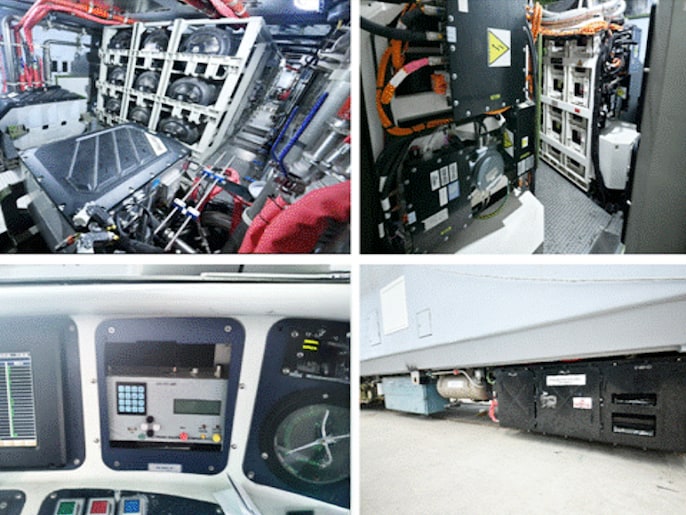
Hidden Technology
Unlike conventional electric trains that need kilometres of overhead wires, India’s hydrogen train creates its own power while running. Hydrogen stored inside the train reacts with oxygen in fuel cells to produce electricity, making it a potential solution for routes where railway electrification is difficult.
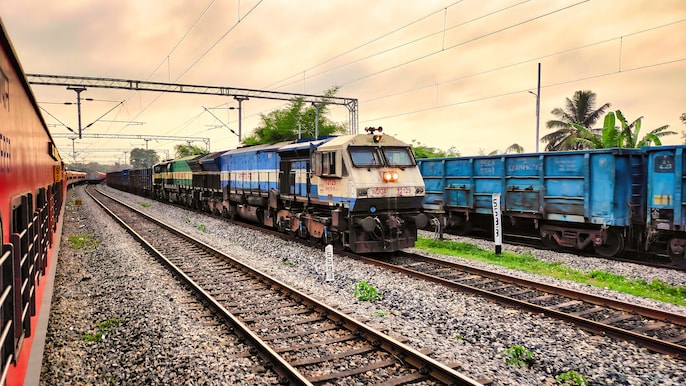
Diesel Challenge
For decades, diesel engines powered large parts of railway networks, but they came with carbon emissions and fuel dependency. Hydrogen trains offer a cleaner alternative by eliminating tailpipe emissions, reducing fossil fuel usage and supporting India’s push towards sustainable transportation.

Indian Innovation
Designed, engineered and integrated in India, the hydrogen train showcases the country’s growing capabilities in advanced railway technology. With indigenous development, high passenger capacity and a focus on green hydrogen, the project places India among a select group of nations operating hydrogen-powered trains.
 What’s Hot: Stocks, Gold & Big Money Moves | Daily Markets Show | July 17 | Business Today TV
 Ground Report: Heavy Security Outside Kolkata Airport As Mosque Access Row Intensifies
 SBI Funds Shares: Should You Buy After Listing? Expert Explains The Right Strategy
 Daily Calls: Ask Your STOCK MARKET TODAY QUERIES | Market Update | Share Market News Today
 Jio Finance Q1 Results: Is It Finally Time To Buy? Motilal Oswal Sees Strong Upside