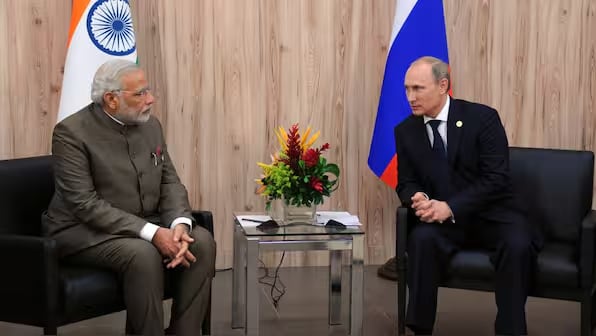
During Putin’s 2014 visit, Rashtrapati Bhavan curated a Kashmiri-inspired spread that blended diplomacy with tradition — from saffron-laced Kahwa to melt-in-mouth Galauti Kebabs — creating a menu designed to impress without overwhelming.
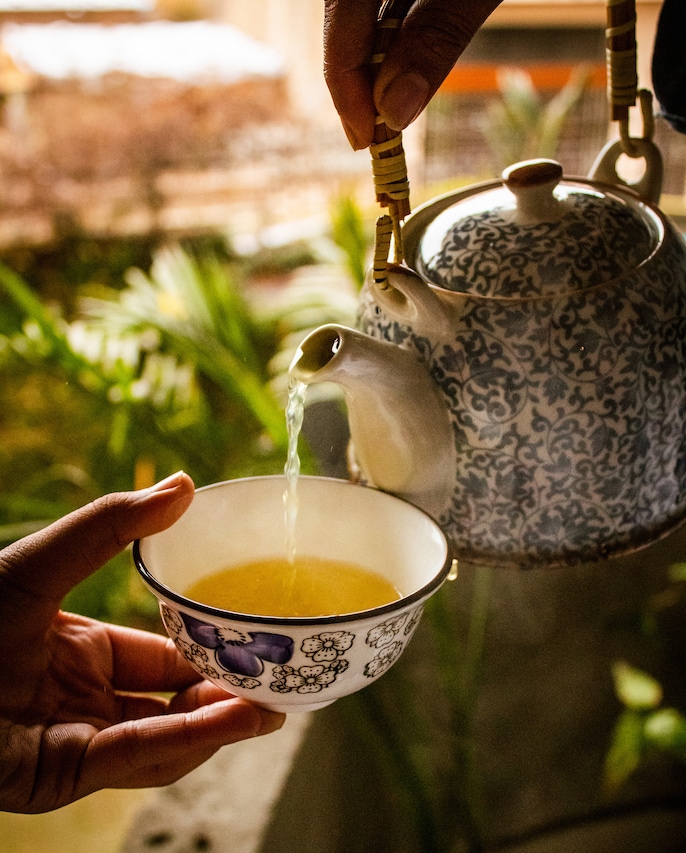
Kahwa, the iconic Kashmiri tea, wasn’t just served — it was staged as a cultural gesture. Diplomats note that such regional signatures often do more subtle diplomacy than scripted speeches ever could.
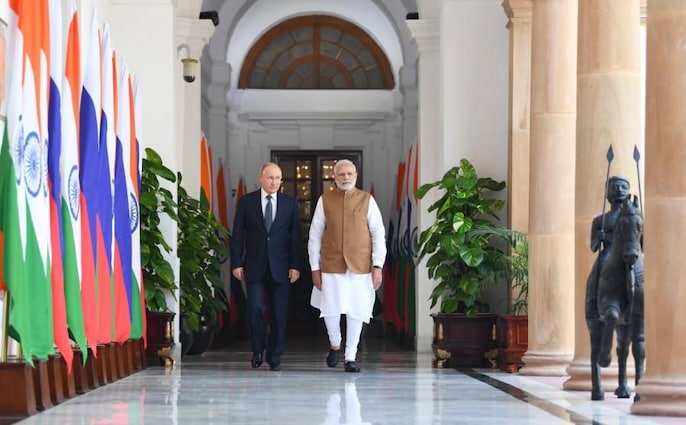
Hyderabad House rolled out a 2018 grand Mughlai affair featuring salmon fillet, lamb slow-roasted with saffron, and velvety chicken stews. With dozens of dishes curated, the spread reflected India’s culinary power as soft statecraft.
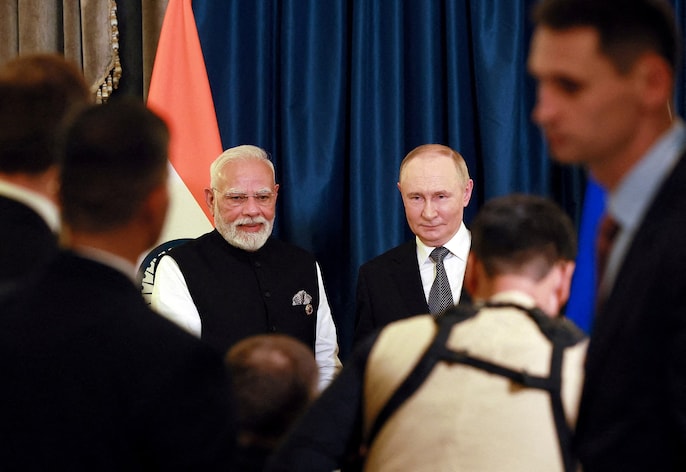
Despite lavish dinners, what Putin actually eats remains undisclosed due to strict food-security protocols. Intelligence experts say the tasting procedures and multi-layer checks around his meals rival those of nuclear site visits.
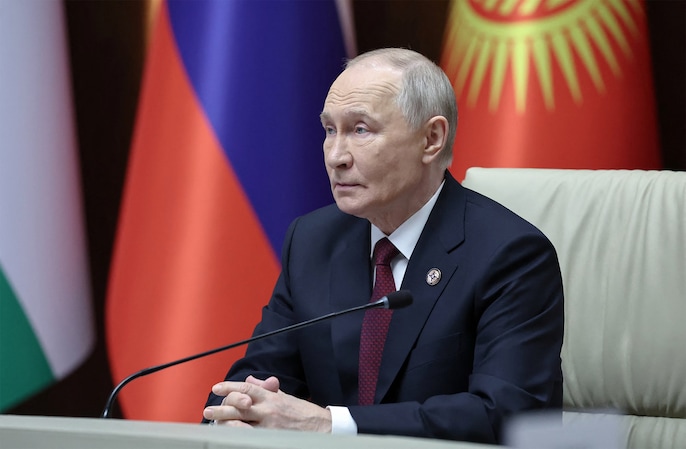
Putin is known for simple, disciplined eating — porridge, tvorog, lamb and smoked sturgeon. Nutritionists note this “clean plate pattern” aligns with longevity-focused routines seen among world leaders monitoring metabolic health.
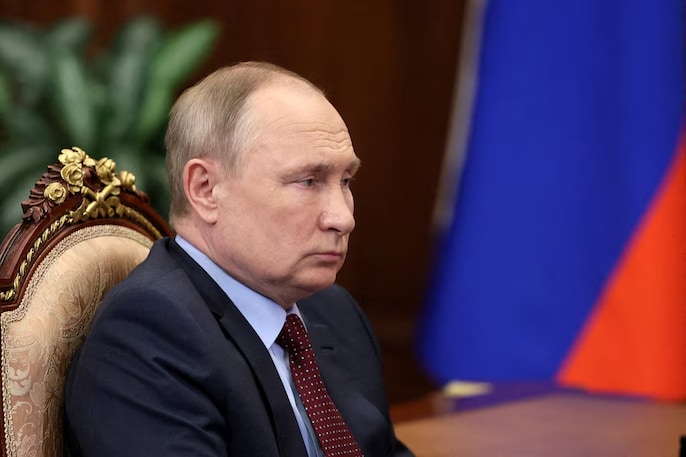
His routine includes raw quail eggs and fresh juices, a detail longtime aides say reflects a Soviet-era belief in high-nutrient, low-processed breakfast rituals associated with stamina and mental clarity.
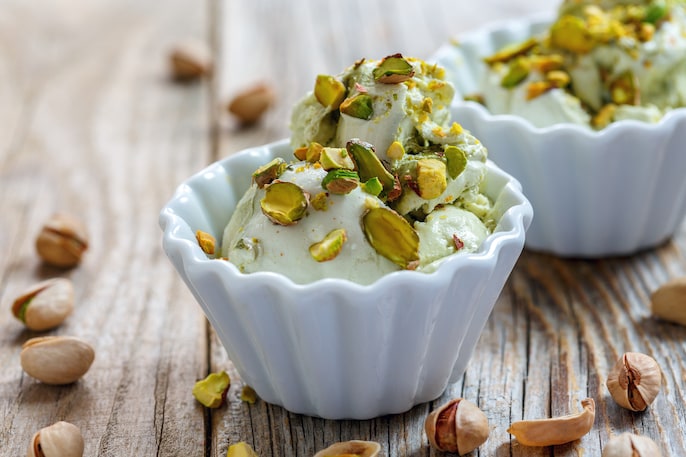
Putin rarely touches dessert, but pistachio ice cream is one indulgence he reportedly enjoys on rare occasions — a detail that chefs often factor in when designing state menus that balance restraint with familiarity.
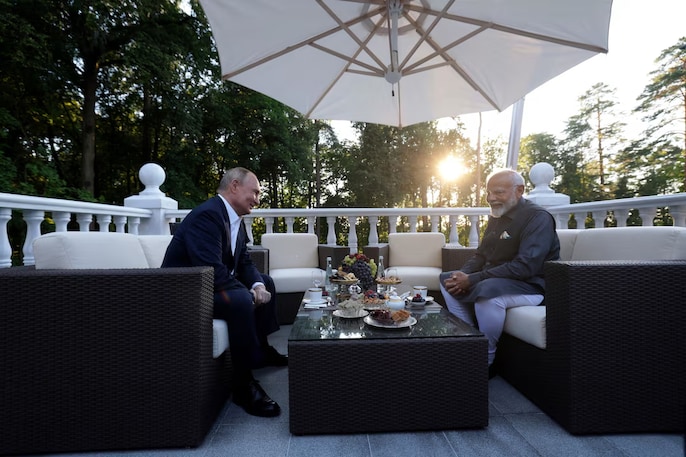
State dinners for Putin are engineered to balance flavour, symbolism, and security. Culinary historians say India often uses regional dishes to communicate hospitality layered with geopolitical messaging. (Representative pic)
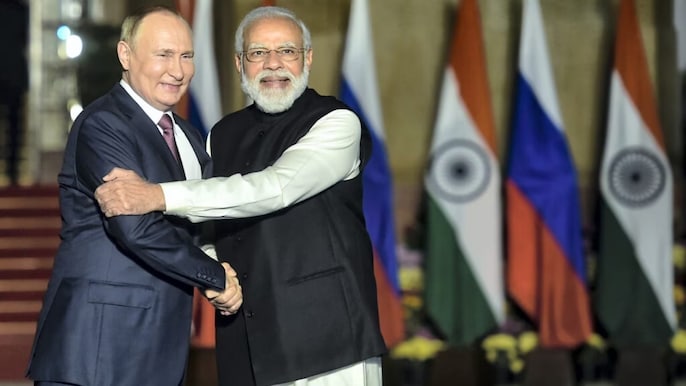
Every plate served — from Badam Shorba to ricotta “silver pearls” — is part of a carefully choreographed performance where food becomes a strategic language, influencing atmosphere before negotiations even begin.
 Daily Calls: Ask Your STOCK MARKET TODAY QUERIES | Market Update | Share Market News Today
 Crude Import Costs Rise Nearly 30% In September; CEA Nageswaran Warns Of Oil Price Reversal
 CEA Nageswaran Warns Trade Weaponisation Could Backfire, Flags China’s $800 Billion Goods Surplus
 Gold And Silver Price Outlook: Key Support Levels And Buy-on-Dip Strategy Explained
 Reliance, TCS & Infosys Face Weak Structure; Key Levels To Watch For Market Recovery