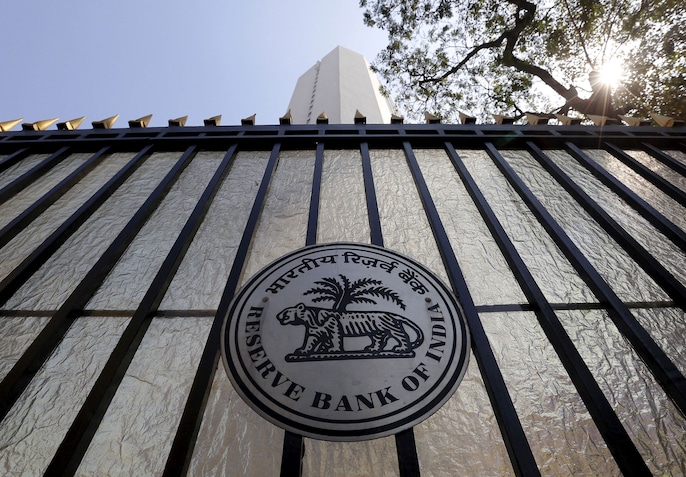
The Reserve Bank's Monetary Policy Committee meets from 2 to 4 December. In October it raised the repo rate by 0.25 percentage points to 5.50% and changed its stance to "calibrated tightening". Governor Sanjay Malhotra said rate cuts were "off the table in the near term". Nobody outside the committee knows what it will decide this time. The worked examples below show what a rise would mean.

Retail inflation rose to 6.09% in October, up from 5.54% in September, according to the statistics ministry's 12 November release. That is above the 6% upper limit of RBI's tolerance band. Food inflation was 8.94%. In October, RBI projected inflation for the full year 2026-27 at 5.2%.

Banks pass repo changes on to floating-rate loans linked to an external benchmark. SBI raised its home loan rates by 0.25 percentage points from 15 October, and its regular home loans now range from 7.50% to 8.80%, according to Business Today. HDFC Bank raised its lending rates by up to 0.15 percentage points.
Assume a home loan at 8.25% with 20 years left, and that the bank passes on the full rise.
₹30 lakh loan: the EMI rises from ₹25,562 to ₹26,035, or ₹473 a month.
₹50 lakh loan: the EMI rises from ₹42,603 to ₹43,391, or ₹788 a month.
₹1 crore loan: the EMI rises by ₹1,576 a month, to ₹86,782.

For a borrower who was at 8% before October, two 0.25-point rises would take a ₹50 lakh, 20-year loan from ₹41,822 a month to ₹43,391, an increase of ₹1,569. On a ₹1 crore loan, the combined increase is ₹3,138 a month. These figures use the same assumptions as the previous slide.
Banks may increase the EMI or extend the loan tenure when interest rates rise. For a ₹50 lakh loan, keeping the EMI at ₹42,603 after a rise from 8.25% to 8.50% would extend the remaining tenure by roughly 12 months. Increasing the EMI to ₹43,391 instead would retain the 20-year schedule and add around ₹1.89 lakh to total repayments. Extending the tenure would cost approximately ₹5.17 lakh extra compared with the original schedule.

Check your bank's new external benchmark rate (EBLR) and the date it takes effect. Then check whether your loan resets immediately or on a fixed quarterly date. If RBI holds the rate, the October hike stays in place. These are worked examples, not a forecast or advice.
 Banking & Metal Stocks Drag Markets: Where Should Investors Look Now? | Chandan Taparia
 India Records Highest-Ever Festive Auto Sales | EV Sales Surge 53%, PV Sales Decline: FADA
 What’s Hot: Stocks, Gold & Big Money Moves | Daily Markets Show | November 23 | Business Today
 Small Caps Vs Large Caps: Where Is The Bigger Opportunity Now? | Sharad Avasthi
 Tata Sons Board Meet Postponed: Report | Noel Tata Flags Notice Violation, Seeks Board Respons