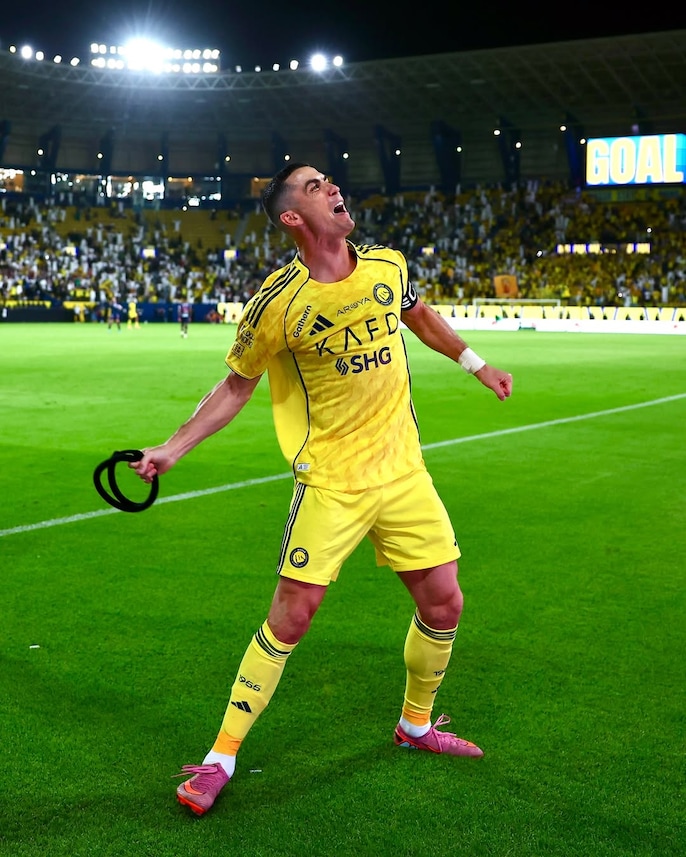
At the summit sits Cristiano Ronaldo, whose $280 million year shows how Saudi football rewrote the pay scale. Economists say his deal isn’t just salary—it’s soft power, tourism, and league branding rolled into one contract.
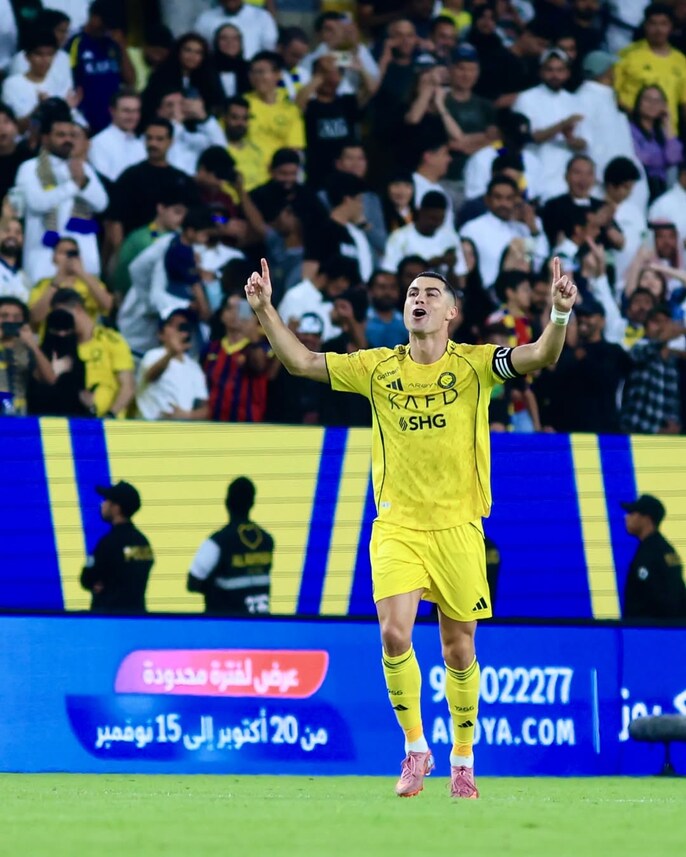
Ronaldo’s off-field engine hums as loudly as his goals. With Nike, Binance, and CR7 fueling $50 million a year, marketing experts call him the most commercially scalable athlete ever—one post can out-earn a mid-table club’s season.

Lionel Messi proves Europe isn’t required to stay rich. In MLS, his $135 million blends salary with Apple and Adidas equity, showing how league growth and media rights can rival legacy competitions.
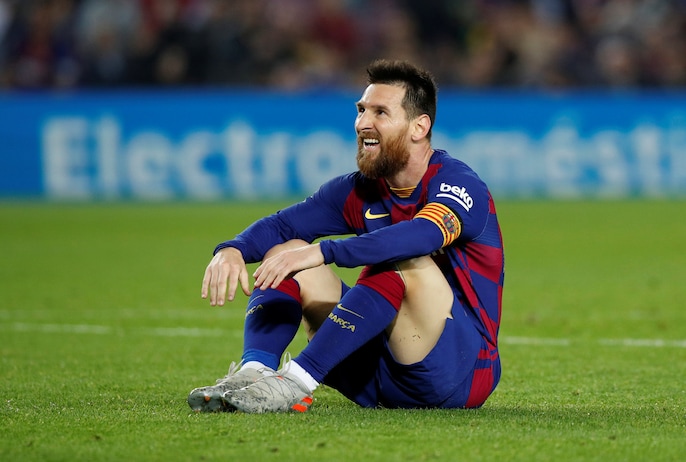
Messi’s portfolio is the most diversified of the elite. With a sports drink brand and tech-driven deals, financial analysts say his income is less volatile—built to last beyond his final whistle.
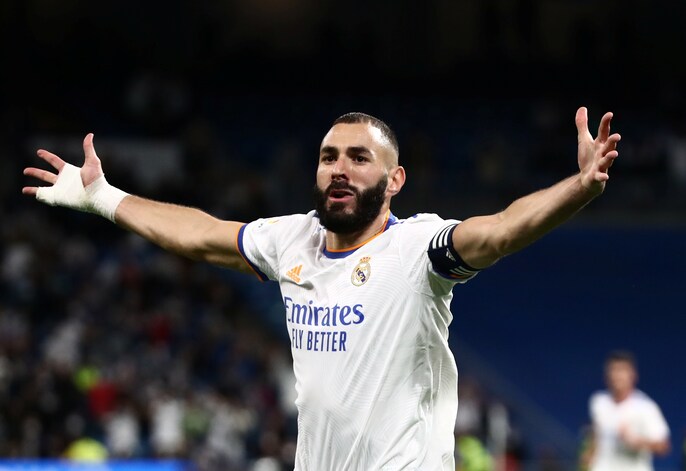
The move east supercharged Karim Benzema’s earnings. His $100 million wage at Al-Ittihad underscores how Saudi clubs now pay for prestige first, performance second—at least initially.
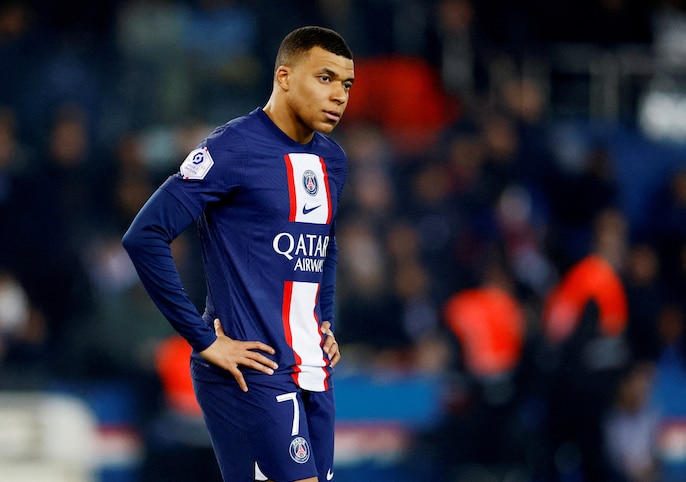
Joining Real Madrid, Kylian Mbappé traded salary for legacy. With $90 million fueled by bonuses and luxury partnerships, advisers say he’s betting on brand compounding over time.
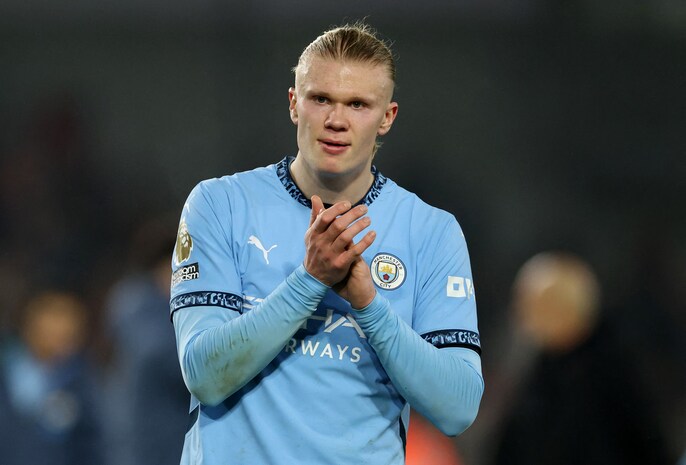
In a list dominated by Saudi and MLS money, Erling Haaland stands as the Premier League’s flagbearer. His $80 million reflects elite performance plus Nike’s faith in a long prime.
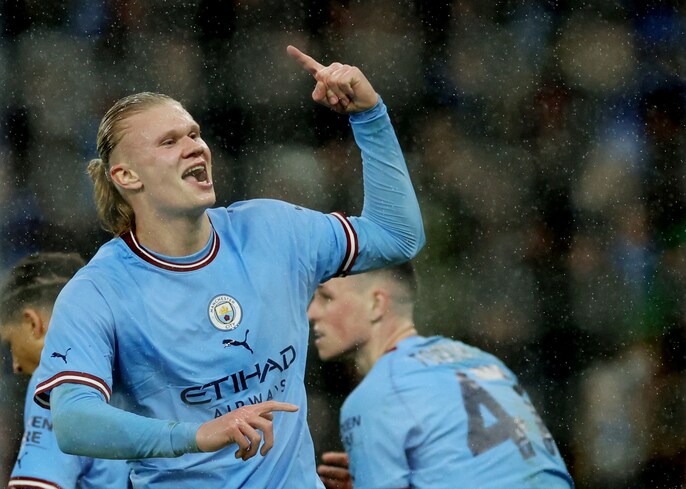
Five years ago, this list looked European. Now it’s global. Sports economists note that oil capital, streaming deals, and U.S. commercialization have fractured football’s old financial hierarchy.
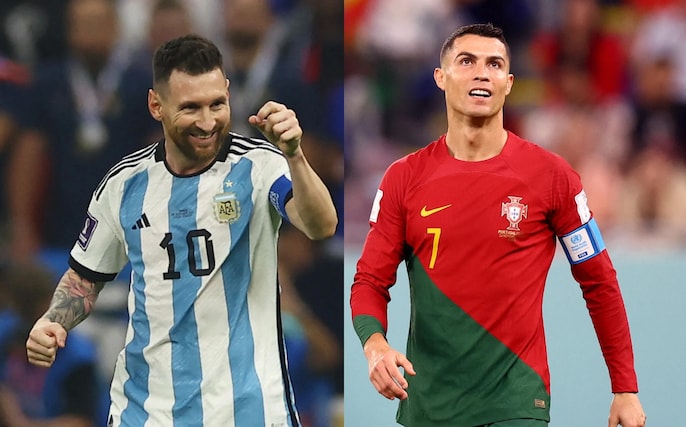
Ronaldo versus Messi remains football’s richest rivalry—but the battleground has changed. One dominates through scale and spectacle; the other through balance and brand equity. The numbers tell two very different paths to greatness.
 “Unacceptable And Unprofessional”: MEA Rejects Pakistan’s Claims Over INS Kolkata Collision
  Commodity Trading For Beginners: How MCX & NCDEX Work | Trading Basics | Money Today
 US Fed Rate Hikes A Headwind For Foreign Flows? | Jibi Jacob | Jefferies
 ₹25 Billion FII Outflow: What Could Bring Foreign Investors Back? | Jefferies' Jibi Jacob
 India’s Private CapEx Picks Up: Christopher Wood On The Market Outlook