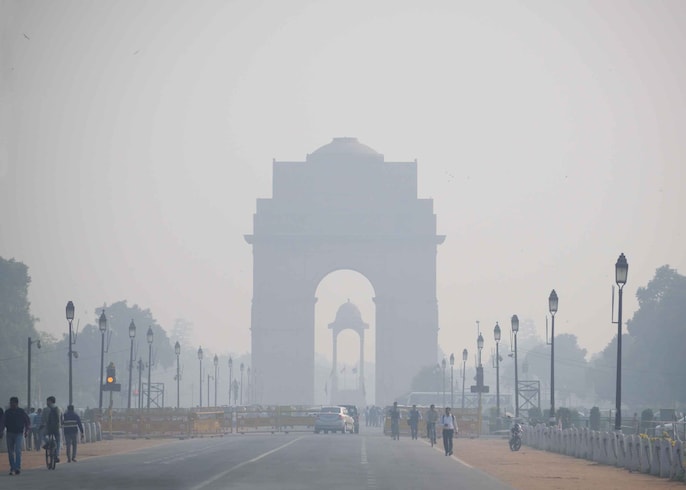
Delhi’s AQI was 419 at 8:40 am on 13 November, with 33 of 58 monitoring stations in the “severe” range, according to CPCB data. Curly Tales reported on 6 November that air purifier sales on Amazon had doubled in a week, with Delhi-NCR making up the bulk of buyers.
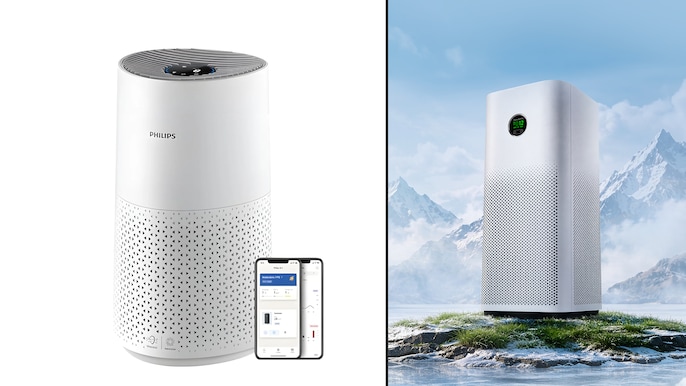
For this comparison we took two models. Philips’ AC1715 sells for ₹16,999 on Philips India’s site and is rated for rooms up to 36 sq m (390 sq ft). Xiaomi’s Mijia Smart Air Purifier 4 Compact launched at ₹7,999 in September 2026. Both draw a maximum of 27 watts.
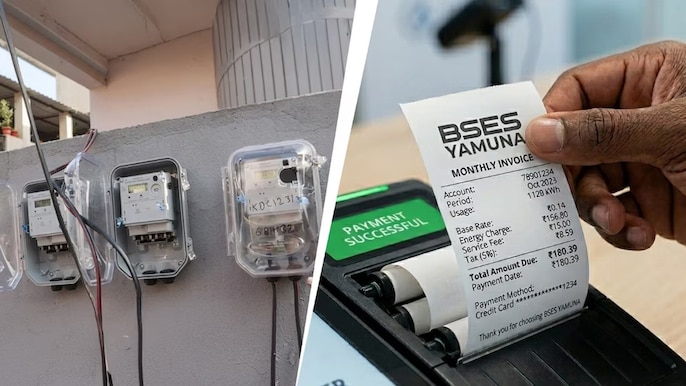
At 27 W, a purifier running 12 hours a day for four winter months, November to February, uses about 39 units of electricity. At ₹4.50 to ₹6.50 a unit, the rates for Delhi’s 201–800 unit monthly slabs, that comes to about ₹175 to ₹253 for the whole season. Running it round the clock for a month uses about 19 units.
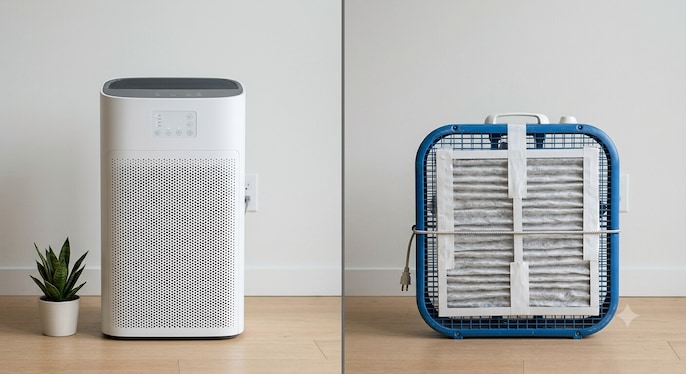
Philips recommends changing the AC1715’s filter once a year. A replacement FY1700 filter costs ₹4,995 on Philips India’s site. That is about 20 times the winter electricity bill worked out above.
After the first year, the Philips works out to about ₹5,250 a year: ₹4,995 for the filter plus about ₹253 of electricity at the higher rate. Xiaomi has not published a filter price on its product page, so check it before you buy. A cheaper purifier with a costly filter can end up costing more over time.
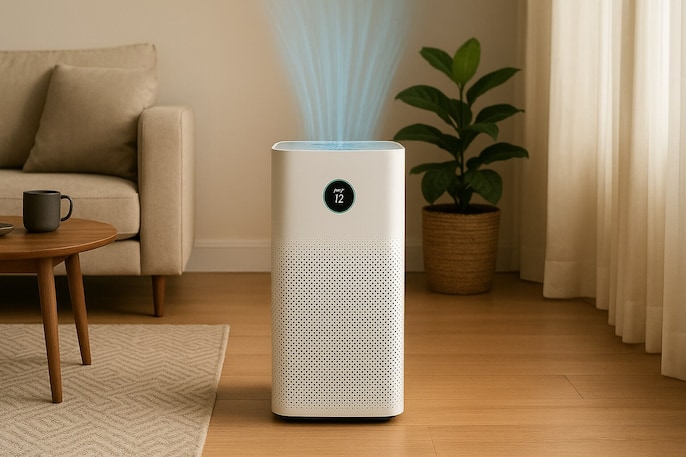
Match the CADR to your room. The Philips is rated at 300 cubic metres an hour and the Xiaomi at up to 230. Look up the replacement filter’s price and how often it needs changing. Running costs depend on your slab: once a household goes past 400 units a month, Delhi’s power subsidy no longer applies.
 Where Is Smart Money Moving After The Nifty Rally? Amit Goel Explains His Strategy
 Karnataka CM DK Shivakumar Highlights State's $80 Billion Startup Ecosystem At Bengaluru Tech Summit
 Union Budget 2027 | Govt Eyes Higher CapEx, Jobs & Manufacturing Push: BTTV Sources
 Budget 2027: Ajay Bagga, Ambareesh Baliga Want LTCG Scrap To Boost Market Sentiment
 Markets Stage A Comeback: Can The Bulls Sustain The Momentum? | Arun Kejriwal