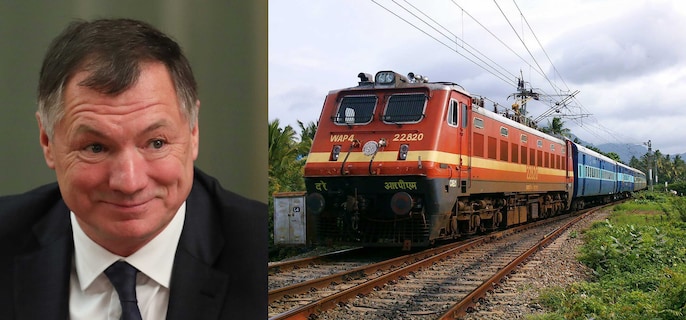
Russia's Deputy Prime Minister Marat Khusnullin has proposed building a direct railway link to the Indian Ocean, with routes potentially passing through Turkmenistan, Iran, Afghanistan, and Pakistan — a move aimed at bypassing volatile maritime chokepoints.
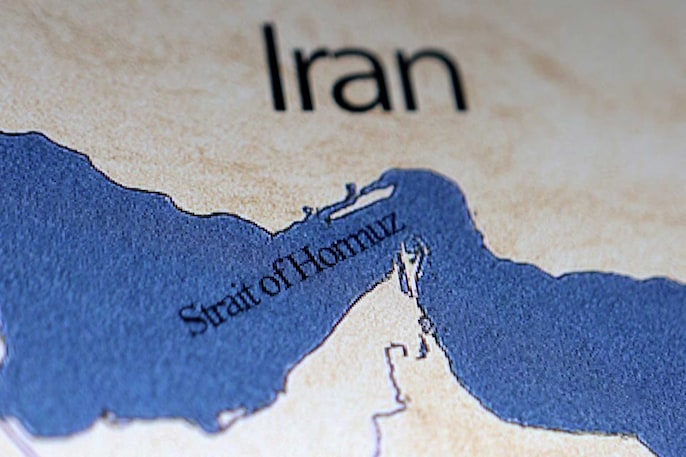
The Strait of Hormuz accounts for approximately 25% of global oil trade and nearly 20% of worldwide LNG shipments. Following US-Israeli strikes on Iran and Tehran's retaliatory maritime blockade, both this chokepoint and the Bosphorus have become unreliable for Russian and Indian trade.

India has become the second-largest buyer of Russian crude oil after China. Last month, Russian oil accounted for a record 55% of India's total crude imports, making energy supply security a top national priority for New Delhi.
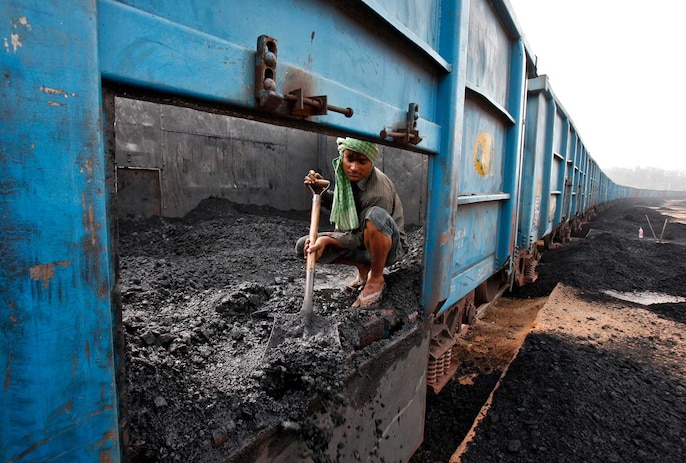
In 2024, Russia successfully sent two trainloads of coal to India via the INSTC route transiting Iran. However, US strikes on Iran's southern ports have since rendered that corridor unusable, pushing Russia to explore eastward alternatives through Pakistan.

Any Russia-to-India rail corridor via Pakistan faces the major hurdle of deeply strained India-Pakistan relations. Analysts note that both Moscow and Beijing are likely to push for the route's development, putting diplomatic pressure on Islamabad and New Delhi to cooperate or risk losing critical energy supply chains.
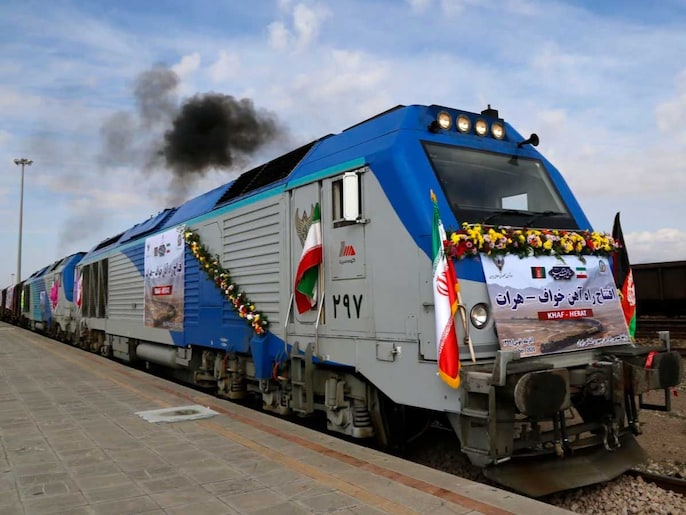
An alternative route could run via Uzbekistan and the proposed Trans-Afghan Railway — a planned line connecting Central Asia through Afghanistan into Pakistan's southern ports. In July 2025, Pakistan, Uzbekistan, and Afghanistan signed a trilateral agreement for a 640-km rail link toward this goal.

Beijing is expected to back Russian rail development toward India, as a new corridor could integrate with existing infrastructure built under the China-Pakistan Economic Corridor (CPEC), further deepening Eurasian overland trade connectivity — with or without Indian participation.
 Tata Curvv EV: First Look At The Tech-Packed Electric SUV
 IDBI Bank Stake Sale: Fairfax Bid, ₹53,000 Cr Valuation & Deal Delay Explained
 Adani Group Plans $2.5 Billion Offshore Loan To Refinance Cement Acquisition Deb
 Sugar Exports Under Pressure: Tight Stocks, Ethanol Diversion & Weather Risks Cloud
 Brent Crude Crosses $100: India’s Oil Basket Hits $108.9; What It Means For Markets