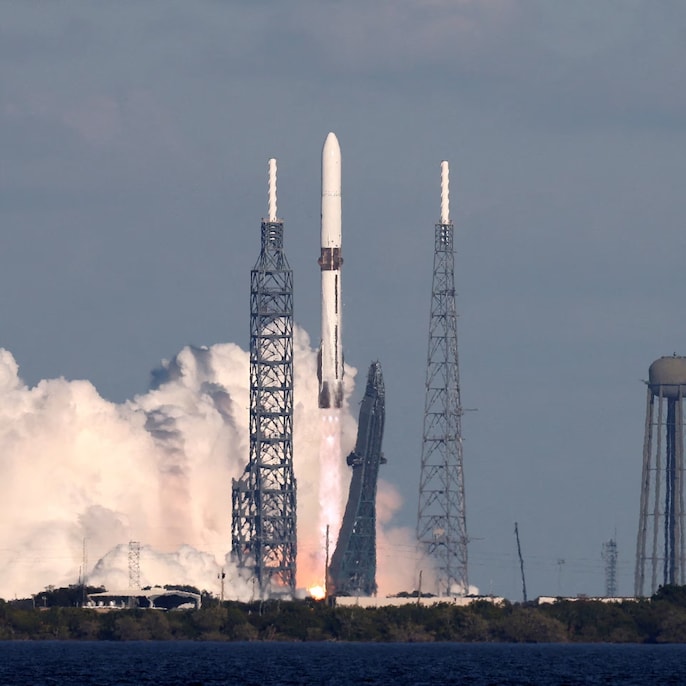
Blue Origin’s New Glenn rocket nailed its first booster landing, marking a turning point in Jeff Bezos’s space race with Elon Musk. The 321-foot giant now joins SpaceX in the reusable rocket club.

After roaring skyward, the massive rocket stage gently landed on the droneship Jacklyn in the Atlantic, just nine minutes post-launch—a precision ballet of fire, math, and machine control.
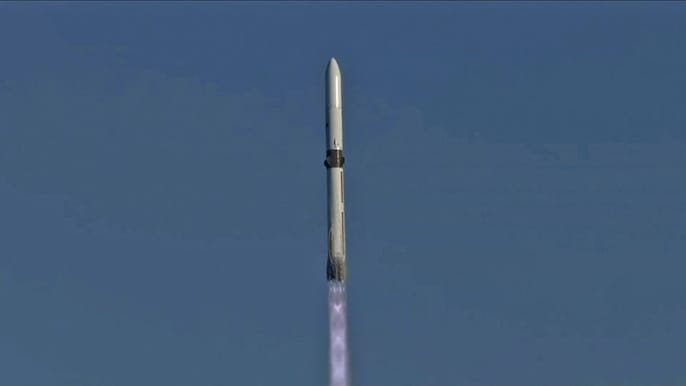
The payload? NASA’s ESCAPADE Mars mission—two twin spacecraft bound to study how solar winds strip away the Red Planet’s atmosphere, paving the way for future human missions.
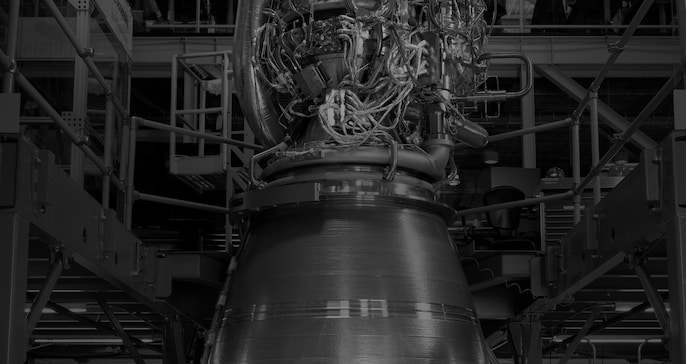
For years, SpaceX ruled reusability. Now, Bezos’s engineers have matched the feat—reigniting seven BE-4 methane engines mid-descent, performing a flawless, autonomous landing sequence.
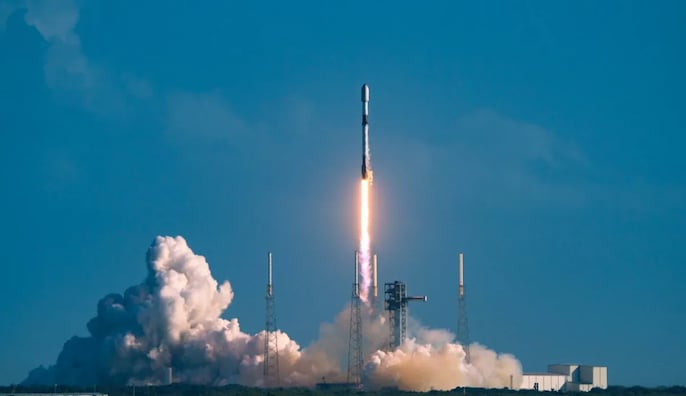
With Musk’s Falcon 9 long dominating orbital returns, Blue Origin’s success signals the fiercest duel yet in the billionaires’ battle for the skies—each launch redefining who leads the future of space.
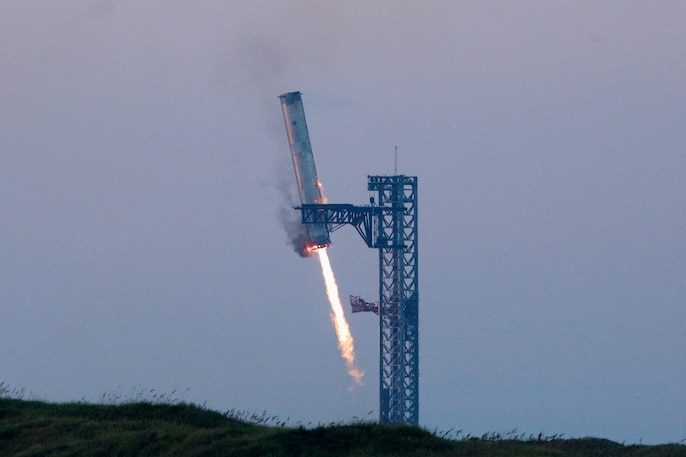
The booster’s reusability could slash launch costs by 50%, experts say. Designed for 25 flights, New Glenn may soon rival SpaceX’s workhorse—bringing orbital access into an era of sustainability.
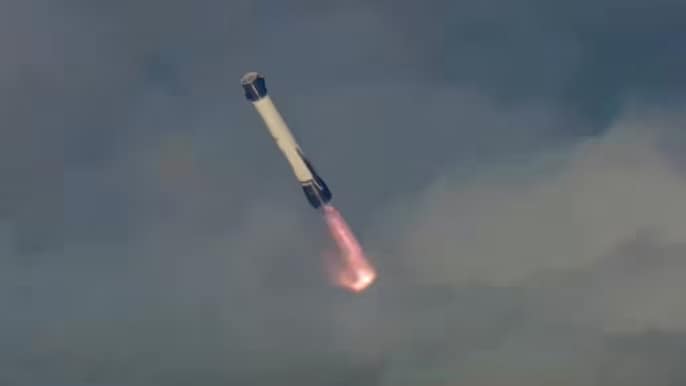
The landing wasn’t easy. Geomagnetic storms, high winds, and volatile plasma conditions made success unlikely—yet New Glenn’s AI-driven precision brought it home. A triumph against the odds.
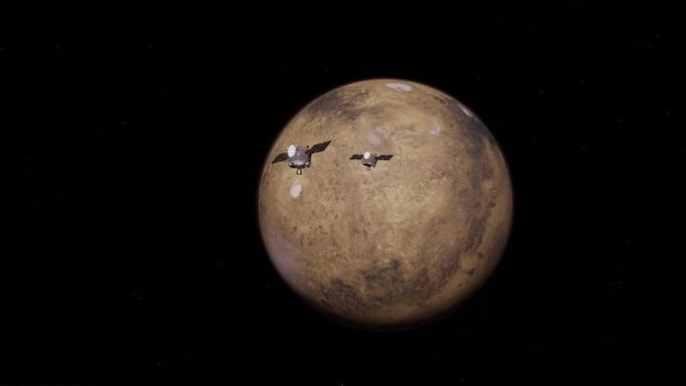
ESCAPADE’s twin satellites were released 30 minutes post-launch, cruising to a Lagrange Point orbit before their 22-month voyage to Mars—an elegant prelude to interplanetary exploration.
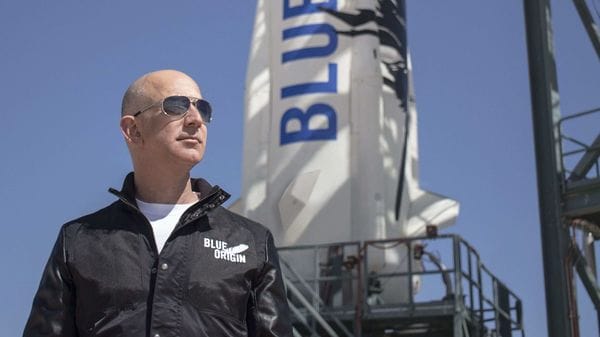
For Jeff Bezos, this isn’t just a landing—it’s validation. Years of quiet iteration and billion-dollar ambition have finally delivered what many doubted: a building-sized rocket that comes back home.
 Why Is Pixel 11 More Expensive? Google Explains | Mitul Shah Interview
 SEBI To Issue AI Rules For Markets, F&O Trading, CAS & SME IPOs Under Regulator’s Watch
 Bond Yields Hit Multi-Year Highs: Could Rising Oil & Weak Rupee Trigger A Market Correction?
 Medical Inflation At 8-10%? Niva Bupa On Rising Hospital Costs & Transparency
 Can AI Make Health Claims Faster & Simpler? NIVA Bupa Explains