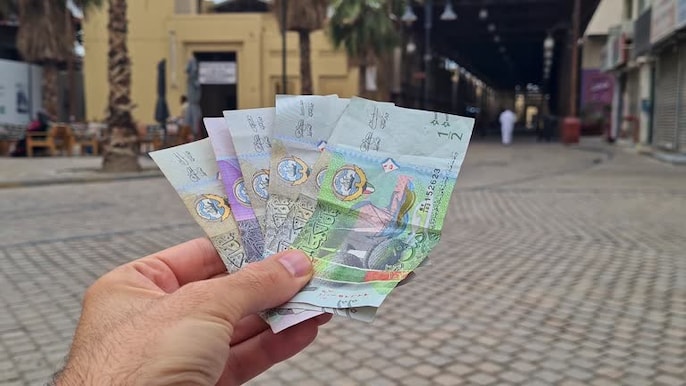
The Kuwaiti Dinar remains the undisputed global heavyweight — one unit buys $3.24 USD, a reflection of Kuwait’s massive oil reserves, tight fiscal control, and low inflation stability.
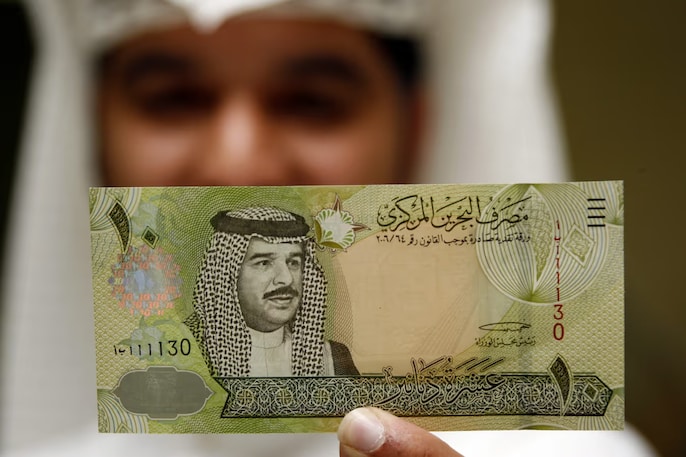
Next up, Bahrain’s Dinar flexes at $2.65 USD, powered by financial liberalisation, banking hub status, and a currency peg that’s barely wavered in two decades of market turbulence.
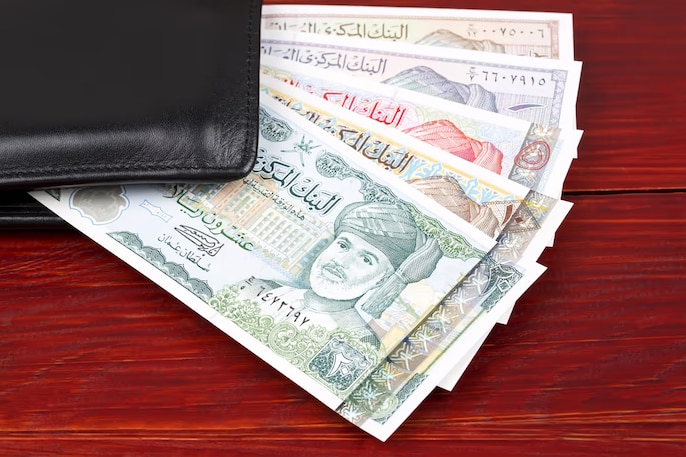
The Omani Dinar, at $2.60 USD, thrives on petroleum exports and one of the region’s most disciplined monetary policies — making it a textbook case of resource-backed strength.
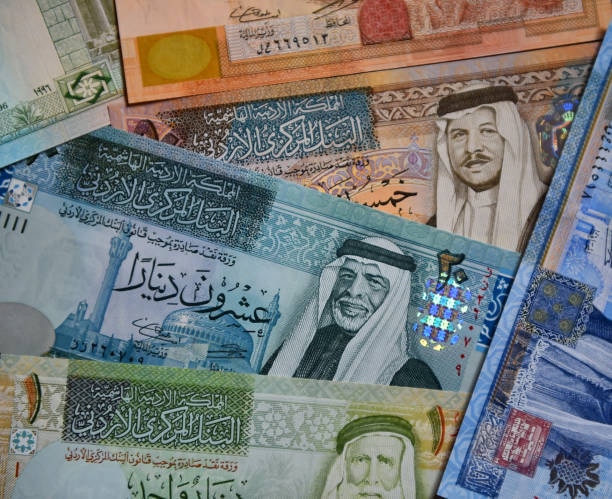
Jordan’s Dinar — a quiet achiever at $1.41 USD — defies the odds of limited resources. Experts credit a resilient peg to the U.S. dollar and strategic IMF partnerships.
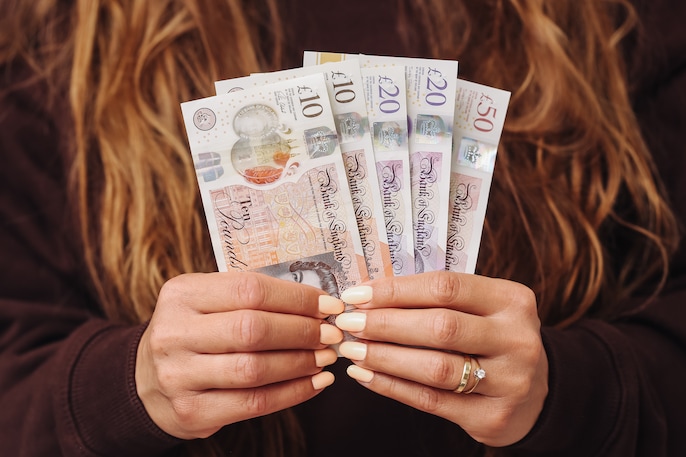
The British Pound may have lost its imperial clout, but at $1.25 USD, it still signals a robust economy anchored by London’s financial dominance and global investor confidence.
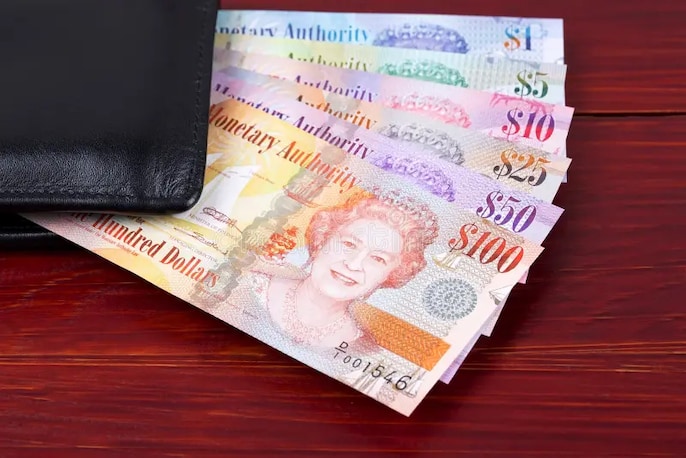
The Cayman Islands Dollar stands tall at $1.15 USD, driven by offshore banking, tax neutrality, and a booming luxury tourism economy that punches far above its size.
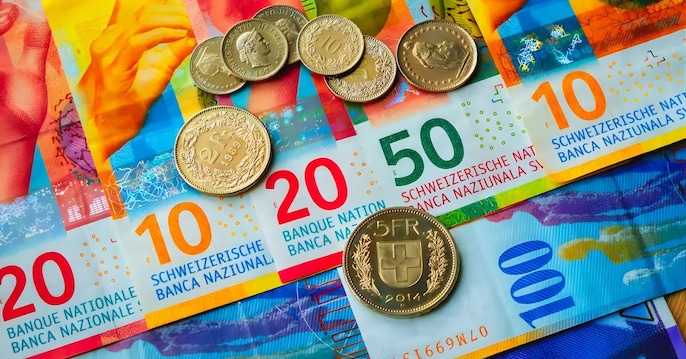
At $1.11 USD, the Swiss Franc mirrors the nation’s trademark — stability, neutrality, and precision. It’s long been the safe haven investors rush to in times of global uncertainty.
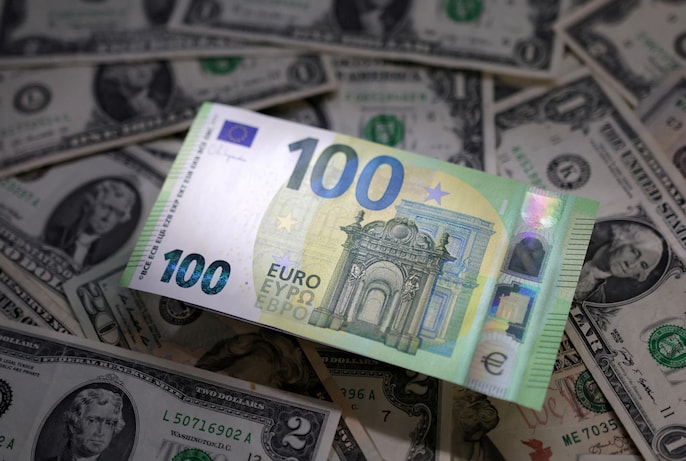
The Euro holds steady at $1.04 USD, buoyed by the collective weight of Europe’s single market — proof that 20 economies can still wield global power under one monetary flag.
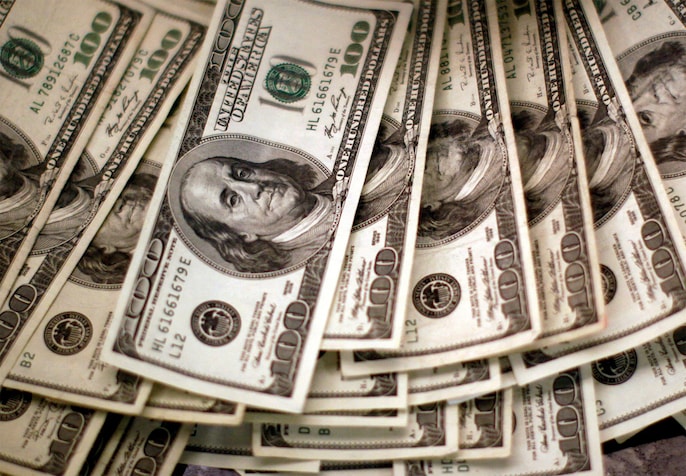
Despite its dominance in trade and reserves, the U.S. dollar no longer tops the value charts — a reminder that strength in currency isn’t just about power, but about policy.
 Russia Returns To G20 Talks As U.S. Engages Moscow, Europe Pushes Back
 Deepa Jewellery IPO: Why This B2B Player Is Raising Funds Amid Rising Organised Retail Demand
 India’s 7.8% Q1 GDP Under Scrutiny: Subhash Garg Vs Sanjeev Sanyal On The Numbers
 Piyush Goyal Says India Could Become The World’s Data Centre Hub With $200 Billion Investment
 Meet John Ternus: The Engineer Taking Over Apple After Tim Cook’s 15-Year Reign