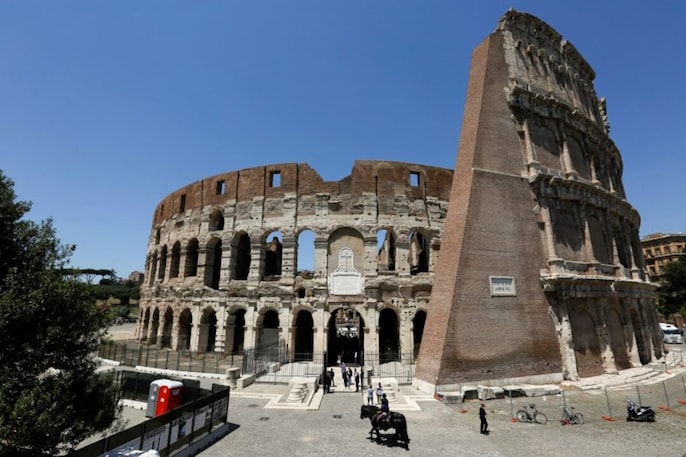
Rome’s Colosseum has defied two millennia of quakes, fires, and floods — its stone skeleton a time machine of resilience. Every crack tells a story of endurance carved in concrete and empire.

The Empire State Building was born during the Great Depression, built in just 13 months — and it’s survived plane crashes, hurricanes, and history itself. Strength isn’t in height; it’s in backbone.
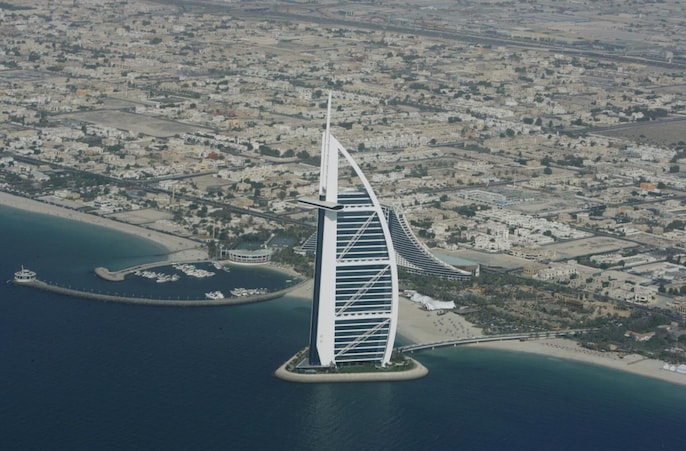
Rising from Dubai’s turquoise waters, the Burj Al Arab is more than a hotel — it’s an engineering symphony. Anchored by sea-bed columns, it laughs in the face of storms and seismic shifts.
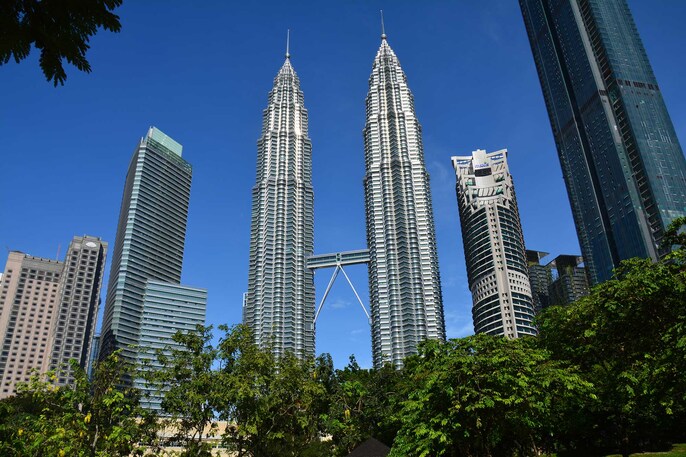
The Petronas Towers pierce Kuala Lumpur’s humid skyline like mirrored swords. With 104 subterranean piles and wind-flexing cores, they move with the storm — but never against it.

The Great Wall of China doesn’t just stretch — it endures. Built across deserts, mountains, and centuries, it’s weathered wars, earthquakes, and time’s slow decay, still standing guard for humanity.

In quake-prone Taiwan, Taipei 101’s golden orb — a 660-ton tuned mass damper — sways like a pendulum against disaster. It’s proof that even the tallest giants can learn to dance with the earth.
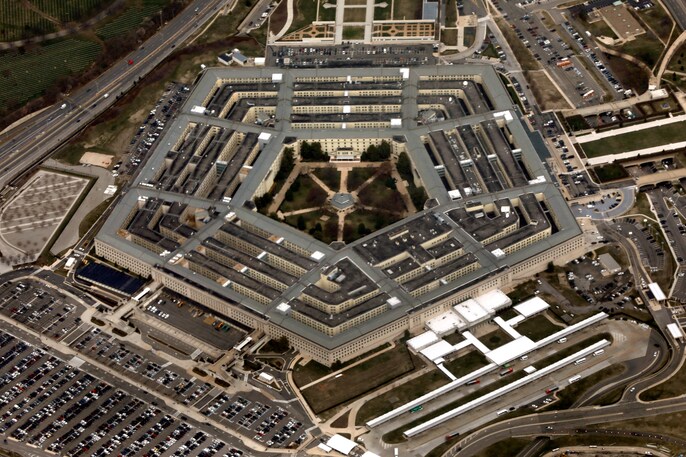
Born for defense, the Pentagon became resilience incarnate. Even after the 9/11 attacks, its reinforced skeleton held firm — rebuilt stronger, quieter, and unyielding in purpose and design.
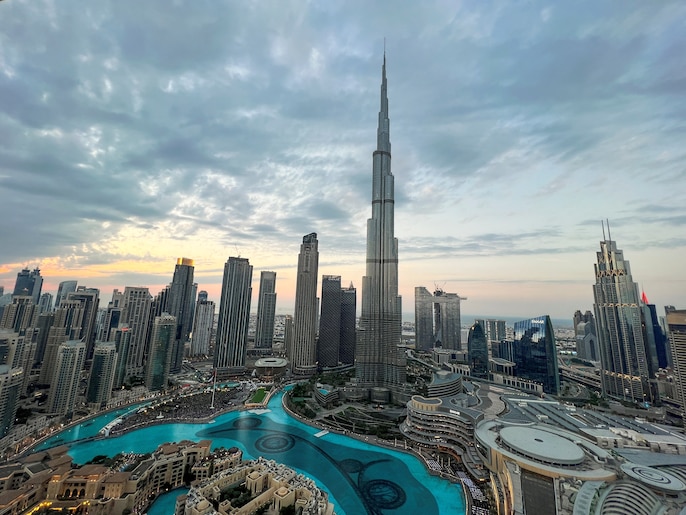
The Burj Khalifa’s Y-shaped silhouette slices desert winds with aerodynamic precision. Anchored 50 meters deep, it’s a modern-day obelisk — elegance fused with indestructible logic.
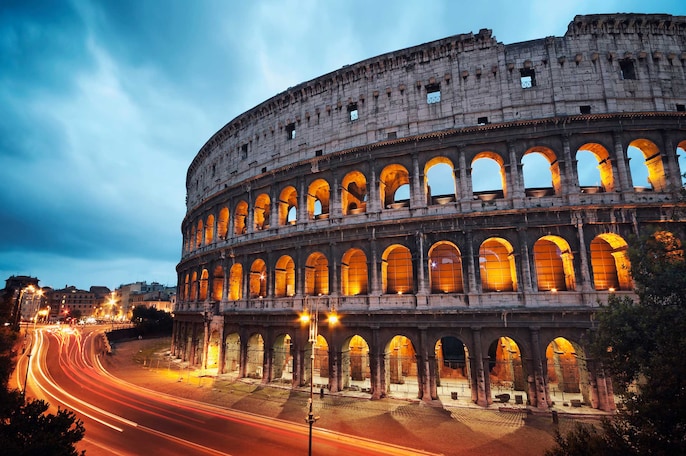
From Rome’s arches to Dubai’s spires, these marvels share a single truth — resilience is as much art as engineering. When design listens to nature, even time becomes a collaborator.
 Tax-Saving Hacks: Expenses For Content Creators & Freelancers — What You Can Claim
 Advance Tax For YouTubers & Freelancers: When And How Much Tax Should You Pay?
 Debt Funds Have Risks Too: 3 Key Risks Every Investor Should Know Before Investing
 Gold Vs Silver: Which Is Better Buy Now? Why Silver Could Outperform Gold
 Debt Funds Explained: Which Fund Should You Choose Based On Your Investment Horizon?