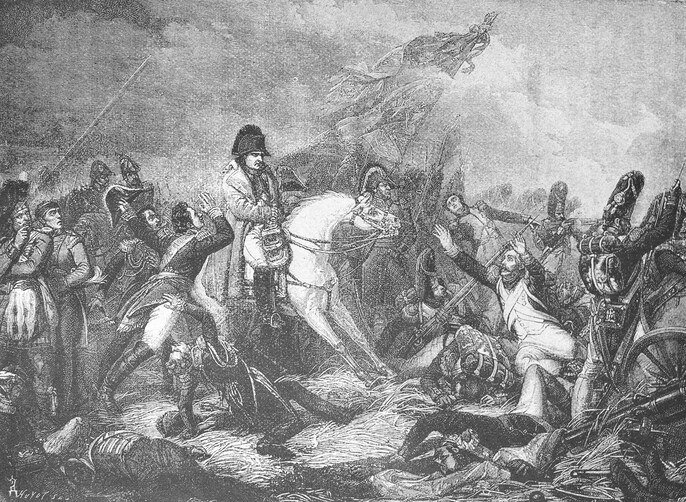
One false rumor from 1815 still echoes: that Nathan Rothschild made millions by exploiting the chaos after Waterloo. Historians call it bunk—but the myth built an empire of suspicion.
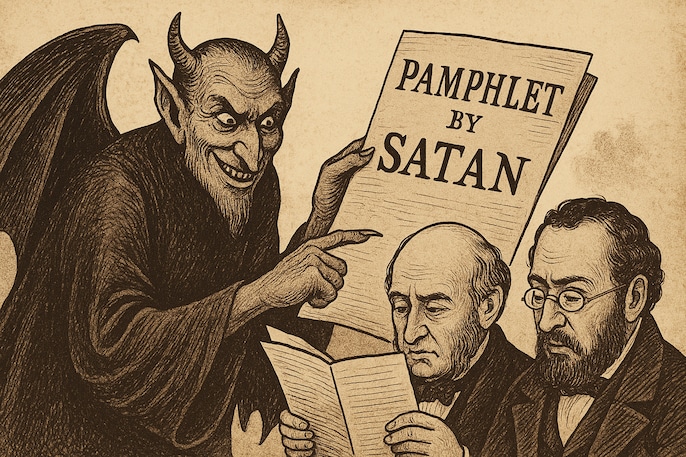
In 1846, a writer using the pen name “Satan” published a venomous tract linking the Rothschilds to manipulation, profit, and war. That pamphlet helped spawn two centuries of conspiracy.
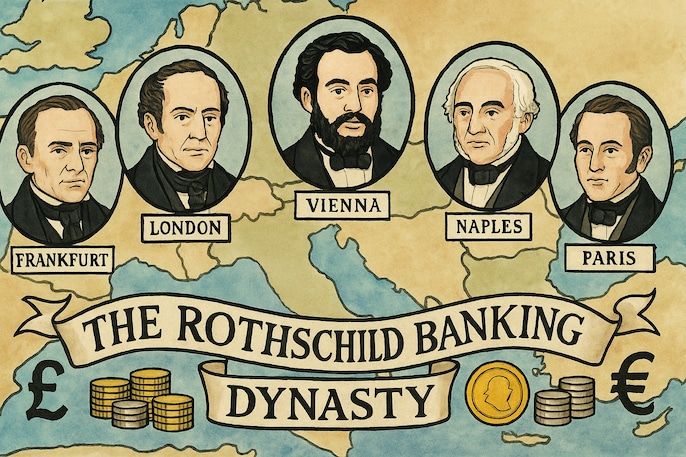
Five brothers. Five cities. One goal: control the arteries of European finance. The Rothschild strategy was real—and revolutionary. But did it plant the seeds for modern financial paranoia?

Horseback riders with sealed letters beat Napoleon’s own messengers. The Rothschilds’ courier system was faster than governments—and far more secretive. Coincidence or calculated dominance?
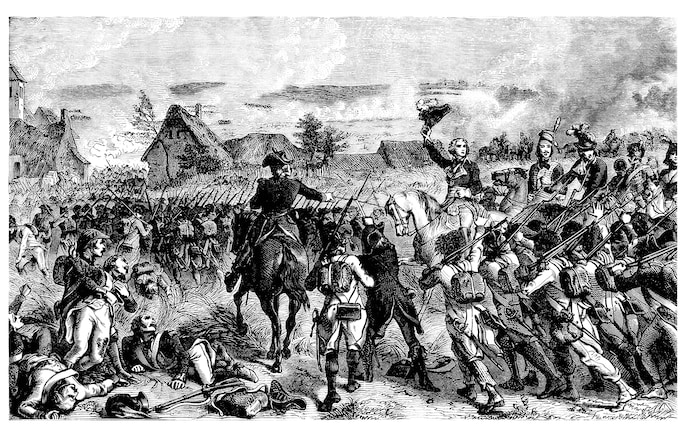
They turned war bonds into wealth, empire debt into leverage. While others saw chaos, the Rothschilds saw opportunity. But does financial brilliance always breed distrust?
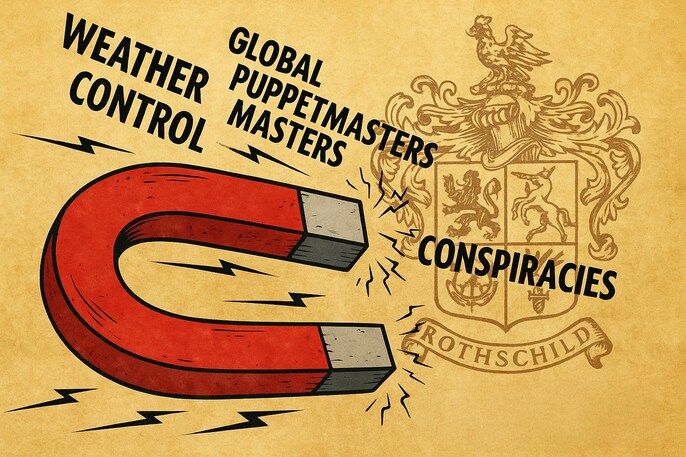
From weather control to global puppetmasters, few families have attracted more conspiracies. Why them? Race, wealth, secrecy—and an enduring appetite for hidden villains.
Today, the Rothschilds are less visible, more diversified—and still wildly misunderstood. Is their quiet retreat from public life fueling even darker modern fantasies?
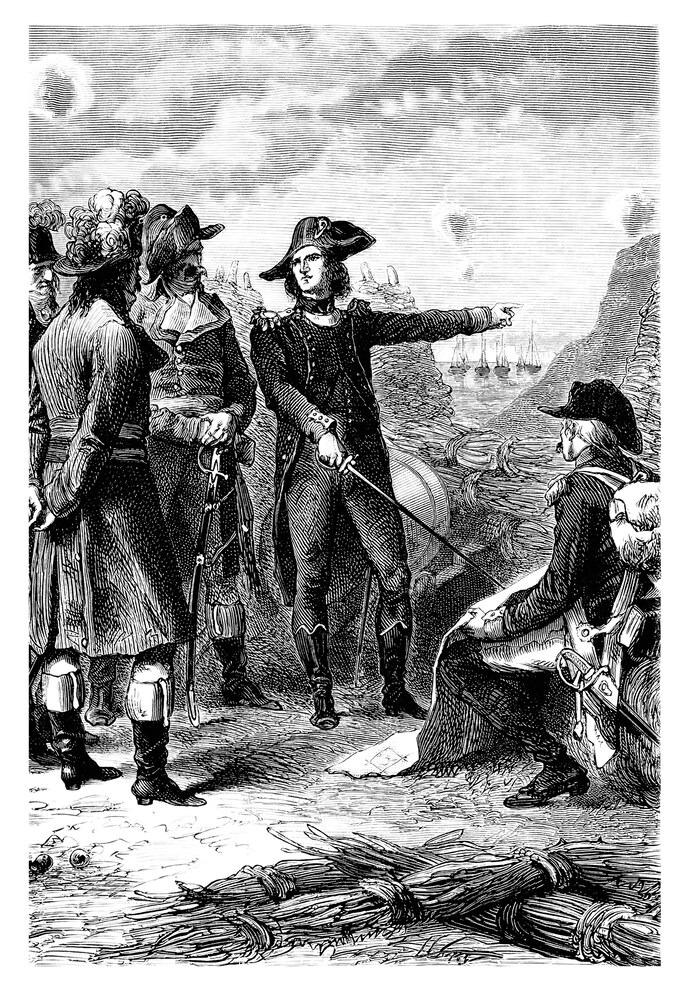
Scratch most Rothschild conspiracies and you'll find old hatreds underneath. Experts say the myth isn't just wrong—it's dangerous. So why does it keep mutating online?
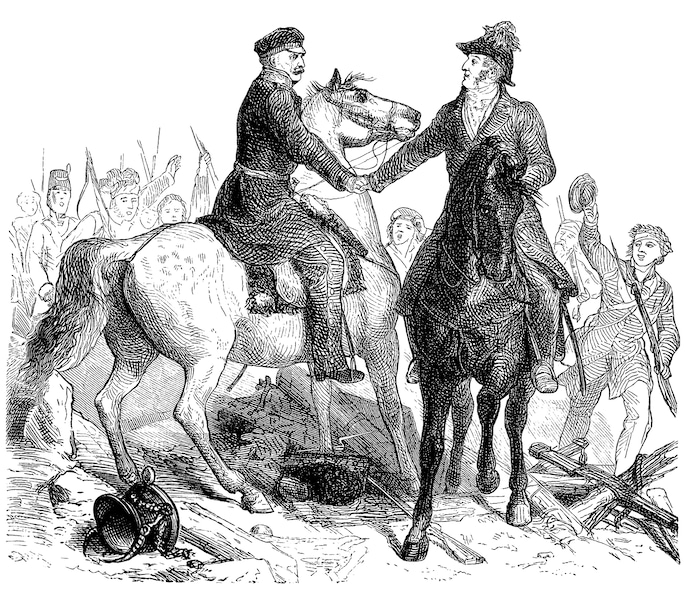
No evidence, no documents, no data—but the Rothschild myth thrives on the absence. When facts fail to fascinate, fiction steps in. And it spreads faster than ever.
 FDs vs Markets: Where Should You Keep Your Short-Term Money?
 Why Term Insurance Is Essential for Every Earning Member | Sum Assured & Coverage Explained
 Pakistan's Alleged Terror-Politics Nexus: Lashkar Links Spark Questions Over Fazlur Rehman
 Think Life Insurance Is Optional? Here's Why Every Indian Family Needs It Today
 FD Vs Arbitrage Fund: Which Is Better For High Taxpayers?