


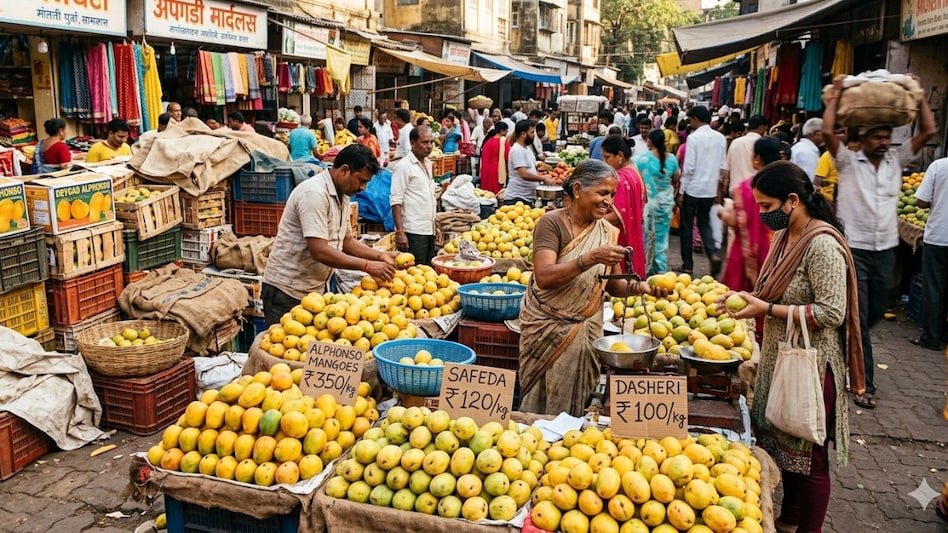
 From wholesale mandis in the north to coastal trading hubs in the west and south, the country’s best mango markets are less about shopping and more about timing, sourcing, and variety.
 Every summer, India turns into a sprawling mango marketplace — where geography, climate, and culture decide not just taste, but where you should buy your fruit. From wholesale mandis in the north to coastal trading hubs in the west and south, the country’s best mango markets are less about shopping and more about timing, sourcing, and variety.
Here’s a ground-level look at where India’s mango trade truly comes alive — and why each market matters.

 NITI Aayog launches new platforms to scale up electric truck adoption
 'Beginning first round of reductions': JLR confirms 4,000 job cuts over next 2 years
 Honda outsells Hero MotoCorp for second straight month in August
  India goes big on defence: Rs 1.10 lakh crore acquisition plan cleared. What Army, Navy, IAF will get
 GDP is not enough: UN expert group proposes 31 indicators to measure a nation's progress
 Non-Local Electric Bus Software Is A National Security Risk, Warns Eka Mobility Chairman Sudhir Mehta
 Mounjaro Sales Surge 502%: Why GLP-1 Drugs Are Taking Over India’s Pharma Market
 Auto Stocks Outlook: Why Investors Should Be Cautious Despite New Model Launches And Strong Demand
 U.S.-Iran War, Elevated Crude Hit Indian Stocks: Can Nifty Reverse Its Downward Trajectory Now?
 Crude Oil, Gold & Silver: What’s The Next Big Move? | Kunal Shah
 Tata Steel, Hindustan Copper, Lloyds Engineering shares: Expert weighs in; names top pharma, broking bets
 Adani Power secures LoI to acquire GVK Energy; details here
 Two upper circuits for Sterlite Technologies shares as firm discloses FY29 targets
 Sensex falls 383 points, Nifty settles at 23,779; IT, metals among top drags
 APL Apollo Tubes, KDDL, Globus Spirits among 11 stocks to turn ex-dividend tomorrow
 7.8% GDP Growth: PM Modi Targets Those Who Pushed India Into The “Fragile Five” At SRCC Event'Beginning first round of reductions': JLR confirms 4,000 job cuts over next 2 years
 In Its Third Price Hike In FY27, Maruti Suzuki Hikes Prices By Up To ₹20,000 From Sept
 Gold Demand Outlook: Jewellery Buying Weakens, But ETF Investment Demand Remains Strong
 Maruti Suzuki Plans To Double Output












