


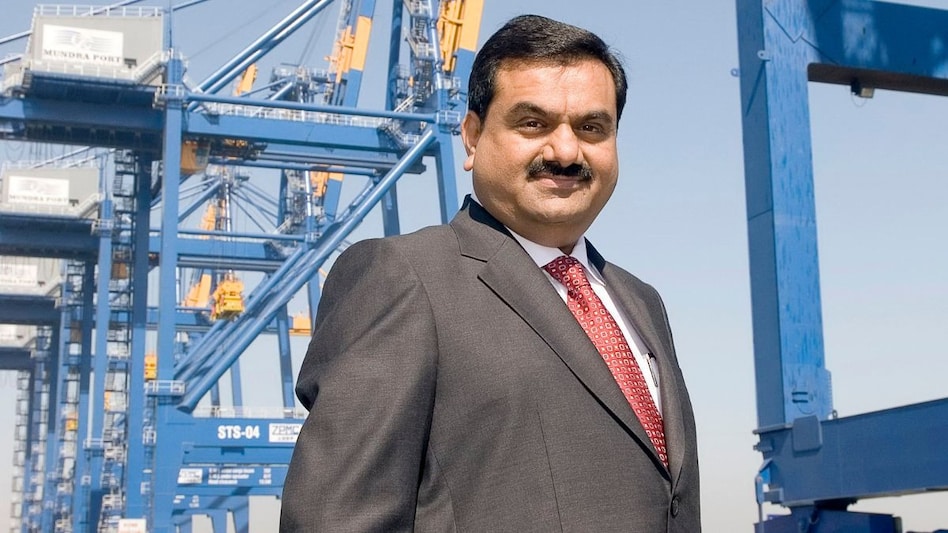
 Gautam Adani, Founder and Chairman of Adani Group
“I analyse in my own way, in very simple, no-jargon language. If somebody is talking in very complicated way, I never like that.” A quote by Gautam Adani, Founder and Chairman of Adani Group. Instead of relying on complicated spreadsheets or confusing corporate theories, he prefers to cut straight to the core of an idea to see how it works in the real world.
He believes that institutions are built through simplicity applied at scale, not through over-engineered or overly complex systems.

 BRICS Summit 2026: Chinese President Xi Jinping on way to Delhi; Modi-Xi bilateral talks today
 BRICS Summit 2026: Delhi traffic advisory for September 12. Roads to avoid, diversions, alternatives
 Unified BRICS payment system is achievable, but trust is key hurdle: BRICS Business Council chair
 From BRICS to Quad and G20: India’s expanding footprint across global groupings
 Sebi’s Demat 2.0 lays groundwork for tokenising more regulated financial assets
 When Should You Buy ETFs? Understanding Timing, Liquidity & Index Reshuffles
 Insurance Stocks: Value Trap Or Buying Opportunity? Why Current Valuations Could Offer Good Returns!
 Market Commentary: Arun Kejriwal On Nifty, Stocks & The Next Big Move
 Gadkari: FASTag Is More Than Toll Payment, It’s Digital Mobility Infrastructure
 Russia Eyes Bigger India Investments: Sberbank CEO Herman Gref On The Next 2-3 Years
 Sebi’s Demat 2.0 lays groundwork for tokenising more regulated financial assets
 NSE IPO: Haven't applied for shares to trade on own platform, says MD and CEO Chauhan
 NSE's selling shareholders set to rake in bonanza amid a weak broader market
 Milky Mist shares hit 5% upper circuit; here's what analysts say
 Sensex, Nifty settle lower but recover sharply from intraday lows; here's why
 Gold, silver prices on September 12: Check latest rates in Delhi, Mumbai, Kolkata, other citiesWhen Should You Buy ETFs? Understanding Timing, Liquidity & Index Reshuffles
 'Toxic' box office collection day 17: Yash's film in free fall, 'Hanuman Ansh' tops ₹200 crore in India
 Petrol, diesel prices today, September 12: Check latest rates in Delhi, Mumbai, Chennai, Kolkata & more
 LPG, CNG, PNG prices today (September 12): Check latest rates in Delhi, Mumbai, Kolkata, other cities












