


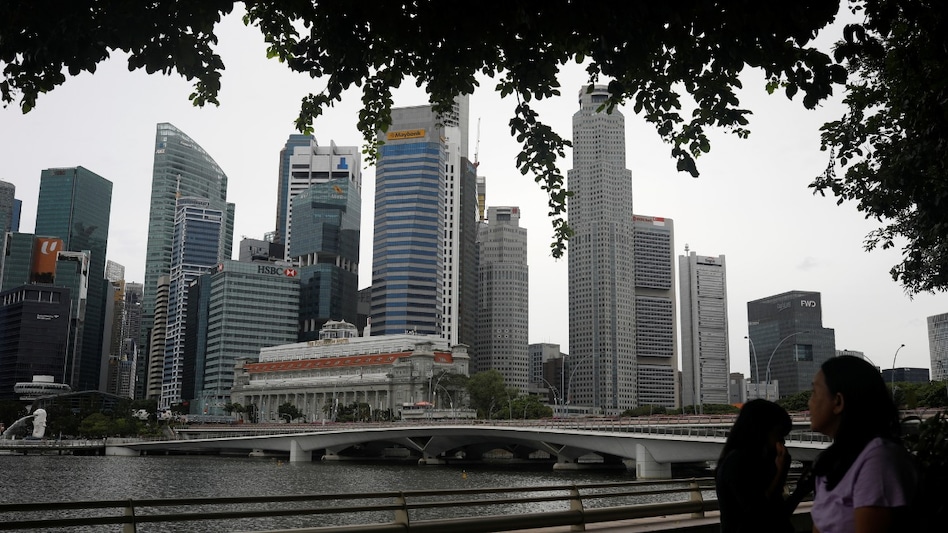
 The direction requires the platforms to “take all reasonable steps to disable access by Singapore users to these posts.” (Photo: Reuters)
Singapore’s transformation from overcrowded settlements to one of the world’s most extensive public housing systems is a striking urban success story. Today, more than four in five residents live in government-built homes, and the model has turned large-scale state housing into a foundation for social stability and homeownership.
From slums to planning

 RBI MPC meet: Why your borrowing costs may go up from October
 PM Modi speaks to Trump amid India-US trade talks, reviews ties across trade, defence, energy
 'Pilot tried to crash the plane': Netanyahu shares dramatic details on Flydubai flight
 Small savings scheme interest rates unchanged for Q3 FY27: Check PPF, SCSS, SSY rates
 BT BIG STORY: Why your MBA fees keep getting more expensive
 MSP: ‘Cost Plus 50%’ Principle Fully Maintained, Says Ashwini Vaishnaw
 Economy In Right Hands, Business Environment Very Positive: Nirmal Minda
 Nara Lokesh Exclusive: Why Andhra Pradesh Is In A Hurry To Build Its Data Centre Ecosystem
 KLM Steps Up SAF Push On India-Europe Route
 LIVE What’s Hot: Stocks, Gold & Big Money Moves | Daily Markets Show | September 30 | Business Today
 Sensex, Nifty fail to sustain recovery as intraday gains fade; what's next for D-Street?
 FPI onboarding in 5 days: Sebi, RBI push digital registration to attract foreign investors
 Jio Finance shares in a downtrend after key support breach, analyst on the NBFC stock's outlook
  Meesho stock faces consolidation after 100% rally; analyst on the breakout move
  Microcaps lead D-Street returns as large, mid and smallcaps lag; Sigma Advanced gains 595% in six months
 Flydubai captain Smit Macchhar once feared his first flight. Years later, he fought to save one
 Indian skipper Shubman Gill creates history with fastest ODI double ton in just 117 balls
 Jaipur fake Apple support scam: 14 arrested for targeting US citizens; 24 phones, 13 laptops seized
 Redmi Note 17 Pro Max Unboxing
 HAL Share Price: Why Tejas Mk1A Delivery Could Be The Big Trigger | Jefferies ₹6,800 Target Price












