According to Radhika Ghai, Founder and CEO of beauty and wellness e-commerce platform kindlife, Indian consumers are increasingly responding to exactly that. “We are seeing a significant shift driven by Gen Z’s demand for high-efficacy products, a space where J-Beauty naturally excels,” she says. “While K-Beauty paved the way with trend-driven innovation, J-Beauty is carving out a powerful niche by anchoring routines in reliability, long-term barrier health, and the clinical heritage of its legacy brands.”
Dr Priyanka Sharma, Co-founder, Director and Chief Dermatologist, V6 Clinics, says the Japanese beauty approach focuses on “prevention, hydration, and maintaining the skin barrier rather than aggressive treatments.” She adds that it supports the skin’s natural pH balance through “gentle cleansing, lightweight hydration, and consistent sun protection,” while also recognising the role of diet, stress management and overall wellness in healthy skin.
At the centre of this evolution is a growing preference for what skincare enthusiasts call “Mochi skin”. Named after the soft and chewy Japanese dessert, it advocates soft, pillowy, hydrated skin. Unlike K-beauty’s famous “glass skin,” which celebrates an almost reflective sheen, mochi skin is subtler, think less glazed doughnut and more quiet luxury.
“There is a noticeable shift in what my followers are asking for,” says Sungjemlila Longkumer, popular as ‘sungjemish’ on Instagram. The certified cosmetologist and skincare content creator adds, “While the ‘glass skin’ look is stunning on camera, the high-shine finish can often feel sticky or look oily—not suitable for weather like India. The ‘Mochi Skin’ trend is gaining traction because it feels more attainable and comfortable.”
It is difficult to separate the rise of J-beauty from the realities of climate. In a country where humidity, heat and pollution influence how products sit on the skin, lightweight formulations matter. Longkumer says Japanese skincare appealed to her because of its focus on prevention and hydration rather than correction. “While some trends focus on instant, aggressive results, J-beauty feels like a long-term investment in the skin barrier,” she says. “I personally appreciate the technical precision of their formulations.”
That technical precision has become a defining characteristic of Japanese skincare globally. Unlike the rapid trend cycles of K-beauty, J-beauty operates with a quieter confidence. Think heritage formulations, refined textures, rigorous testing standards and minimalist routines designed for consistency.
At the same time, social media has changed how young consumers understand skincare. Ingredient literacy, once largely confined to dermatology clinics and Reddit forums, is now mainstream. Teenagers discuss ceramides, peptides and skin barriers with surprising fluency. Sunscreen, previously treated as an optional beach-day product, has become a daily essential.
Japanese sunscreens, in particular, have developed near-cult status online. “Sunscreen has moved beyond the ‘seasonal’ category to become a non-negotiable everyday essential,” says Ghai. She credits social media, dermatologist-led education, and access to better formulations for playing a huge role in normalizing everyday SPF usage. Products such as Biore UV Aqua Rich Watery Essence have become staples among skincare enthusiasts because they challenge long-held assumptions around sunscreen being greasy or uncomfortable. Longkumer describes it as having a “watery, gel-like consistency perfect for humid Indian climate”.
But beyond texture and technology, J-beauty’s growing appeal may also reflect a wider cultural mood. After years of aesthetic maximalism in fashion, beauty and social media, consumers appear to be craving restraint. The same generation that embraced clean girl makeup and quiet luxury dressing is now seeking skincare routines that feel sustainable rather than exhausting.
For Shreya Sen, a college student based out of Bengaluru, that practicality matters. Although she currently uses multiple products to manage acne scars and hyperpigmentation, she says her ideal routine would be simpler. “If these issues weren’t there, I would opt for a simpler routine and focus on building my skin barrier and elasticity,” she says.
Her approach reflects a growing instinct among consumers to buy fewer products, but better ones, “I would rather spend more on a few reliable skincare products and only invest in products which target my concerns.” Sen highlights that it is very important to maintain a healthy skin barrier while using actives.
That emphasis on skin barrier health has become one of the defining beauty conversations of the post-pandemic era. Over-exfoliation, overconsumption and trend fatigue have pushed many consumers toward routines that prioritise recovery rather than constant correction. Dr Sharma says simpler routines are often more effective for maintaining skin barrier health and reducing irritation caused by the overuse of active ingredients. While multi-step routines can help target concerns such as pigmentation or ageing, she notes that excessive layering may sometimes disrupt the skin’s natural pH and lead to sensitivity if not customised properly.
The dermatologist also sees this shift showing up in patient conversations. “Yes, I have seen a noticeable increase in awareness around J-beauty trends and Japanese skincare products among patients today,” says Dr Sharma. “Many people are now more interested in gentle, hydration-focused skincare, skin barrier health, and the connection between diet, lifestyle, and overall skin wellness rather than relying only on quick-fix treatments.”
Ghai believes this is only the beginning of J-beauty’s rise in India. “While the demand for Japanese skincare has existed for years, we are now finally enabling true accessibility... As accessibility improves, J-beauty will transition from being an ‘alternative’ choice to a foundational staple in the Indian household,” she says.
Perhaps this is the clearest sign of where skincare culture is headed next. Not toward more products, more glow or more steps, but toward routines that are doable and quietly effective.
The bottom line then is to opt for skincare designed as the best fit for your daily life.



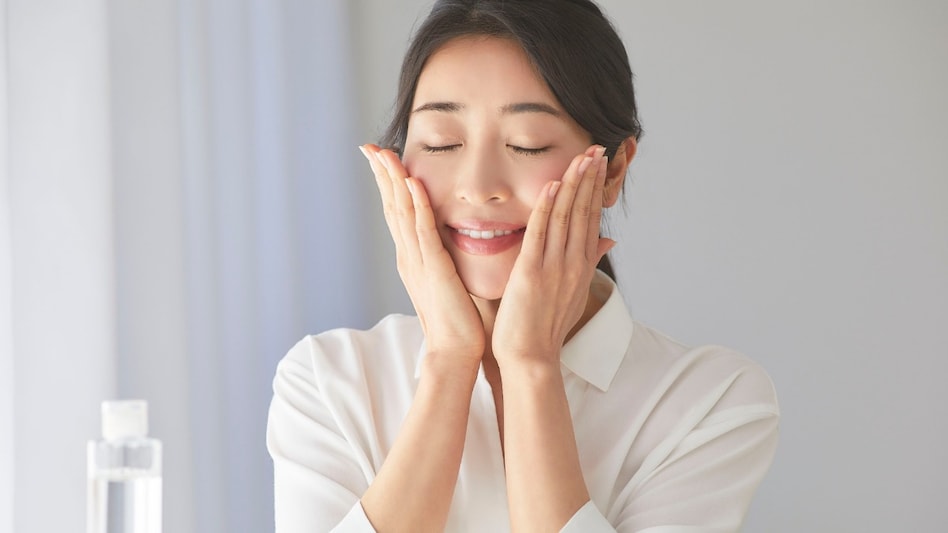 The softer Japanese beauty aesthetic is influencing how young Indians approach beauty and skin health.
 Is Asia facing 1997 again? HSBC's chief economist warns AI demand is the new vulnerability
 Tewolde Gebremariam takes charge as Air India CEO; security clearance still pending: Report
 Nifty, Sensex, Nifty Bank outlook for today: GIFT Nifty down 75 points; key levels to watch
 Delhi building collapse: 11 rescued, owner Hariram Bansal being traced, adjoining women’s PG evacuated
 Trump shares map calling New Mexico ‘New America’, sparking fresh controversy
 Equity, FDs, Gold & More: How Couples Should Plan Their Investments Together
 How Couples Can Balance Shared Goals With Individual Dreams And Financial Needs
 FSSAI CEO On Misleading Food Ads, Brand Crackdowns And Pressure From Industry Lobby
 Couples & Tax Planning: How Smart Expense Planning Can Help Reduce Family Tax Outgo
 Mutual Fund Allocation: How Much Should Investors Allocate To Large, Mid & Small Cap Funds?
 Tata Motors shares fall amid all-cash offer for Iveco group; key details
 Va Tech Wabag wins repeat order from RIL, stock gains
 LIC Housing, Edelweiss Financial, Supreme Petro among top stocks to buy for short-term gains
 BSE, MCX, IEX: Top stocks to trade ahead of NSE IPO— Key levels, target prices & stop loss
 HUL Capital Markets Day: No FY27 guidance shared; targets by CLSA, JPMorgan, UBS
 LPG, CNG, PNG prices today (September 7): Check latest rates in Delhi, Mumbai, Kolkata, other cities
 Gold, silver prices on September 7: Check latest rates in Delhi, Mumbai, Kolkata, other cities












