


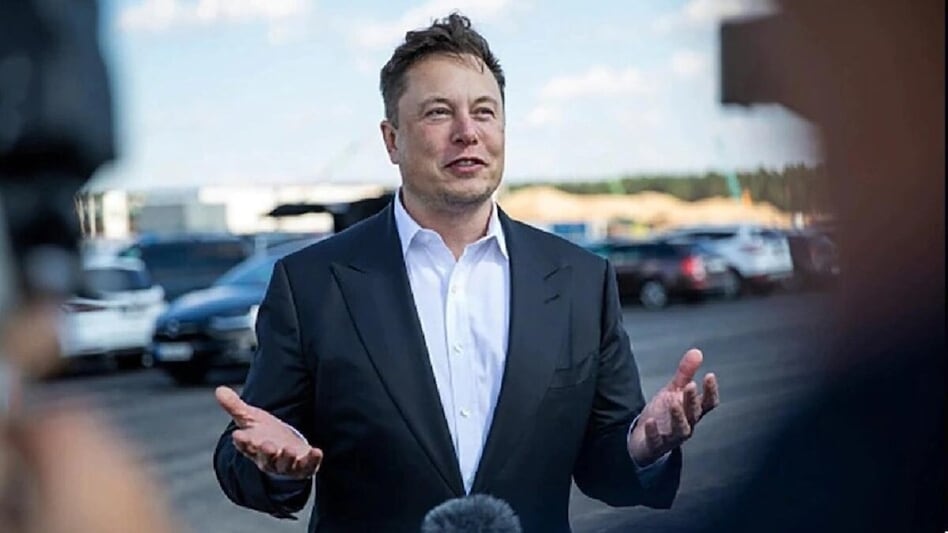
 SpaceX shares touched a peak of $277 on June 16 but have since undergone a dramatic reversal.
Just days after becoming the world's first trillionaire following SpaceX's blockbuster stock market debut, Elon Musk has seen his fortune shrink by nearly $240 billion as a sharp correction in the aerospace and artificial intelligence giant's shares erased much of the post-IPO euphoria.
According to the Forbes Billionaires List, Musk's net worth has fallen from a peak of about $1.32 trillion on June 16 to around $1.1 trillion. The decline coincides with a steep fall in SpaceX's share price, which has lost more than 30% from its post-listing high.

 'Important step': RBI backs new UPI charges, says all transactions remain free for users
 'Private sector must invest, must hire and compensate fairly': CEA Nageswaran asks India Inc to step up
 UPI MDR of 0.4% on transactions above ₹2,000 from October 15: What you need to know
 Apple under pressure in India over iOS 18 screen damage and warranty claims: All details
 India exports 500 tonnes of hilsa to Bangladesh as fish trade flow reverses
 Crude Oil Price Surge: Will Petrol And Diesel Prices Rise In India?
 Market Commentary: Sharad Avasthi On Nifty, Stocks & The Next Big Move
 RBI Files Caveat In Bombay HC Ahead Of Tata Sons Appeal | Tata Group Stocks | Tata Chemical Shares
 NSE IPO Explained: Price Band, Valuation, Growth Potential And Key Risks
 Stock Market Falls As Crude Oil Nears $110 & Weak Rupee | Stock Market News
 UPI MDR revision from Oct 15: Mutual funds, securities, stockbrokers to attract 0.02% charge; check details
 CDSL shares slip 4%; brokerage upgrades stock to 'Buy': Check revised target
 Paytm, One Mobikwik shares: How UPI fee fears may affect sentiment in fintech players
  Sensex tumbles 778 points; Nifty briefly slips below 22,900 amid CAS volatility; what's ahead?
 Hindustan Copper, Garware Hi-Tech Films, Vijaya Diagnostic Centre among stocks to turn ex-dividend on September 16
 UPI MDR rules explained: Where will you pay more from October 15? Check charges and exemptions
 From ‘Not Gate’ to ‘And Gate’: How SEMICON India is building the semiconductor ecosystem, chip by chip
 Steven Bartlett and Authentic launch OBSN with $400 million to scale creator-led businesses
 'One-tenth the cost, 10 times faster': Ex-HCL CEO warns cheaper AI models threaten Big AI
 MFs cut consumer exposure to 10-year low: 5 sectors fund managers are favouring instead












