


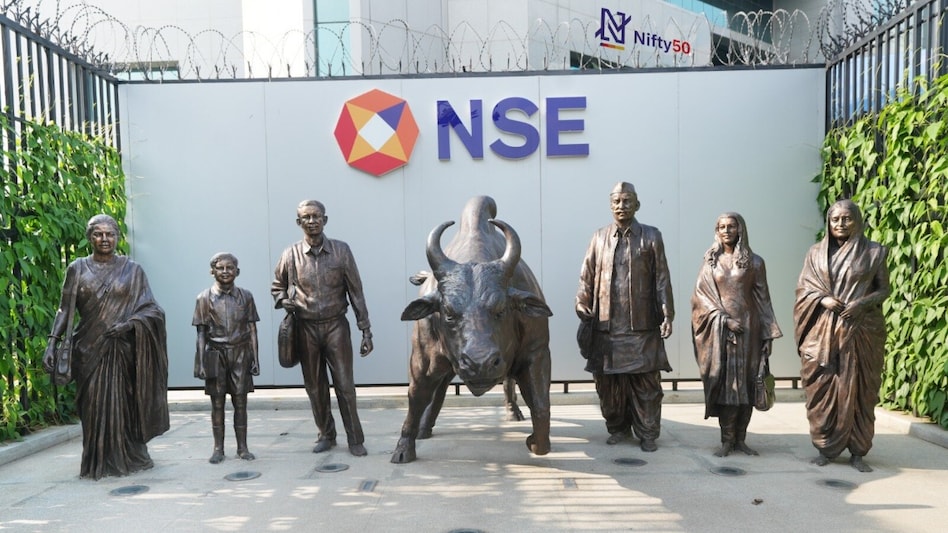
 NSE launched Electronic Gold Receipts on May 4, 2026, introducing a regulated mechanism that allows physical gold to be converted into dematerialised securities and held in investors' demat accounts.
 The National Stock Exchange of India (NSE) has entered into a strategic partnership with Augmont Enterprises, one of the country's leading integrated gold platforms, to accelerate the development of the Electronic Gold Receipts (EGR) ecosystem and deepen the exchange-regulated spot gold market.
Under the collaboration, the two organisations will work together to strengthen key aspects of the EGR ecosystem, including the creation and redemption of Electronic Gold Receipts, liquidity enhancement, physical delivery and transparent price discovery. The partnership also aims to broaden participation among investors, jewellers and other stakeholders, helping drive wider adoption of EGRs across the gold value chain.

 Will RBI hike repo rate? MPC begins 3-day meet as surging crude oil, inflation test policy limits
 HDFC Bank shares rise, m-cap swells Rs 12,027 crore as Anup Bagchi named MD & CEO
 Bajaj Finance stock top Sensex, Nifty gainer today: Two factors behind the rally
  Beyond tax slabs: FM Sitharaman signals upcoming GST Council push for process reforms
 GIFT Nifty down 102 points; HDFC Bank, TCS, YES Bank, Hindalco, RVNL, DLF among top stocks in focus
 Gold Vs Silver: Which Should Investors Buy? Ajay Kedia Shares His 70:30 split Strategy
 Can You Sell Bonds Before Maturity? Liquidity, Exit & Penalties Explained
 Bonds Vs FDs: Are Bonds A Better Alternative For Higher Returns? Risks Explained
 Should You Buy Gold Now? Festive and Wedding Season Strategy Explained
 Direct Vs Regular Mutual Funds: Why the Right Advisor May Matter More Than 1% Cost
 Vedanta Aluminium shares: CLSA sees muted medium-term impact from Odisha HC order
 YES Bank, AU SFB, PNB, HDFC Bank shares rise after Q2 updates | Top picksHDFC Bank shares rise, m-cap swells Rs 12,027 crore as Anup Bagchi named MD & CEOBajaj Finance stock top Sensex, Nifty gainer today: Two factors behind the rally
  4 listings: Solid gains in Orient Cables, AceVector disappoints; Runwal & German make flat debut
 India must move from assembly-led growth to end-to-end manufacturing capability: N Chandrasekaran
 Gold, silver prices on October 5: Check latest rates in Delhi, Mumbai, Kolkata, other citiesVedanta Aluminium shares: CLSA sees muted medium-term impact from Odisha HC orderYES Bank, AU SFB, PNB, HDFC Bank shares rise after Q2 updates | Top picksHDFC Bank shares rise, m-cap swells Rs 12,027 crore as Anup Bagchi named MD & CEO












