


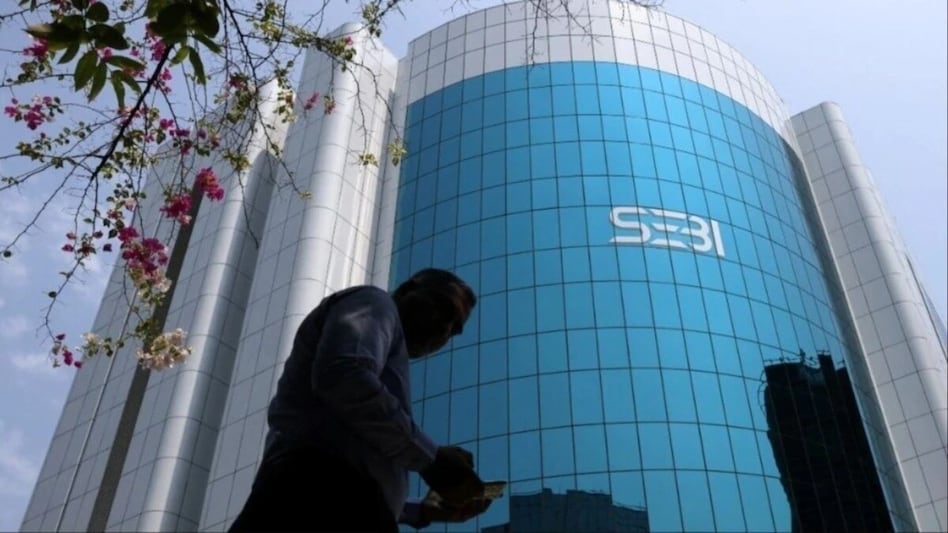
 Sebi eyes liquidity boost in farm commodity market with cash-settlement proposal
The Securities and Exchange Board of India (Sebi) has proposed allowing cash-based settlement in certain agricultural derivative contracts in a bid to boost liquidity and trading, particularly in thinly traded contracts.
"The proposal to permit select delivery-based agricultural commodity derivatives contracts to initially trade as financially-settled contracts is grounded in the need to adopt a calibrated regulatory approach that supports market development without diluting the foundational role of physical settlement in agricultural derivatives," Sebi said on Tuesday.

 NPCI to discuss MDR rates for UPI transactions above ₹2,000 today, say sources
 ITC, HDFC Bank, ONGC shares: Greater fool theory at play; explaining investor apathy towards largecaps
 MDR on UPI: What is Merchant Discount Rate? Why is the government bringing it now?
 ‘For offensive or defensive purposes’: US confirms for the first time that it deployed space weapons
 NSE IPO: Goldman, Templeton, Fidelity likely to buy stake in anchor round, says report
 Crude Oil Price Surge: Will Petrol And Diesel Prices Rise In India?
 Market Commentary: Sharad Avasthi On Nifty, Stocks & The Next Big Move
 RBI Files Caveat In Bombay HC Ahead Of Tata Sons Appeal | Tata Group Stocks | Tata Chemical Shares
 NSE IPO Explained: Price Band, Valuation, Growth Potential And Key Risks
 Stock Market Falls As Crude Oil Nears $110 & Weak Rupee | Stock Market News
 CDSL shares slip 4%; brokerage upgrades stock to 'Buy': Check revised target
 Paytm, One Mobikwik shares: How UPI fee fears may affect sentiment in fintech players
  Sensex tumbles 778 points; Nifty briefly slips below 22,900 amid CAS volatility; what's ahead?
 Hindustan Copper, Garware Hi-Tech Films, Vijaya Diagnostic Centre among stocks to turn ex-dividend on September 16
 Solar energy stock gets target price hike, HSBC maintains 'buy; says this
  NFOs this week: Tata’s short-term debt fund, Invesco’s defence and chemical funds at a glance
 Amazon Now hits $1-billion run rate as Amazon takes quick commerce deeper into India
 NSE’s 120X Wealth Story: From ₹4 Lakh Cr to ₹480 Lakh Cr Market Cap | Ashish ChauhanCrude Oil Price Surge: Will Petrol And Diesel Prices Rise In India?Market Commentary: Sharad Avasthi On Nifty, Stocks & The Next Big Move












