BT: With rising volatility and global macro uncertainty, do you believe the recent correction in Indian equities is cyclical or structural in nature?
Chauhan: The recent correction in Indian equities appears to be event-based and not cyclical or structural. The fall was largely driven by global factors such as geopolitical tensions, volatility in global markets, and profit booking after a strong rally. This could be detrimental to some extent to India’s economic fundamentals if the war continues for a long time. However, once global uncertainty eases (in the near term), markets are likely to refocus on fundamentals, as this has trimmed the expensive valuations.
BT: What are the key earnings trends you expect in Q4FY26 across sectors, and which segments could surprise positively or negatively?
Chauhan: Q4FY26 earnings are expected to be stable with mixed performance across sectors. We expect net income growth of around 8 percent year on year for our coverage universe, led by automobiles and auto components due to strong volumes and higher average selling prices. Diversified financials should continue to show steady momentum, while IT services could benefit from margin support due to rupee depreciation, even though revenue growth remains muted.
Metals and mining are likely to post strong results, supported by firm base metal prices. However, excluding metals, earnings growth is expected to moderate to about 5 percent year on year. Consumer durables and apparel are likely to see weak volume growth, oil marketing companies may face pressure due to lower marketing margins, and pharmaceuticals could remain affected by the gRevlimid revenue decline. Transportation companies may also report weaker profits due to higher fuel costs and lower utilization. Overall, Nifty 50 earnings growth is expected to remain in the low single digits.
We estimate the ‘EPS’ of the Nifty-50 Index at Rs 1,067 for FY26, Rs 1,242 for FY27 and Rs 1434 for FY28 with the Nifty trading at 21.7x FY26E, 18.6x FY27E and 16.1x FY28.
BT: How are factors like input cost inflation, currency movement, and demand slowdown likely to impact corporate margins this quarter?
Chauhan: Corporate margins are expected to remain largely stable, though trends will differ across sectors. Input cost pressures have been moderate, and companies that manage inventories efficiently should be relatively protected. Rupee depreciation is likely to support margins for export oriented sectors such as IT services and select manufacturing exporters.
On the other hand, demand moderation in discretionary segments and higher fuel costs could impact margins for consumer facing and logistics intensive businesses. In specialty chemicals, geopolitical concerns have raised fears around raw material availability, but most companies were protected in the quarter due to adequate inventory levels. Overall, margin pressure is expected to be selective rather than widespread.
BT: After the sharp run up in midcaps and smallcaps, do current valuations justify fresh investments, or is a consolidation phase likely?
Chauhan: After the sharp rally seen over the past year, a phase of consolidation in midcap and smallcap stocks appears likely, especially where valuations have moved ahead of earnings. From a risk perspective, it would be prudent for investors to focus more on quality large cap companies with stable earnings and stronger balance sheets.
That said, selective opportunities do exist in mid and small caps for investors who have strong understanding and long term conviction in specific businesses. In such cases, business quality and earnings visibility are more important than near term price movement.
BT: How sustainable is the strong retail participation in broader markets, and what risks does it pose if liquidity conditions tighten?
Chauhan: Retail participation in equity markets has strengthened structurally over the last three to four years due to higher awareness, digital platforms, and increased adoption of systematic investing. We do not expect participation to decline meaningfully in the near term. However, if geopolitical tensions continue for an extended period and global liquidity tightens, there could be temporary pressure in the form of redemptions. Such phases can lead to higher volatility, particularly in broader market segments.
BT: What should be a prudent strategy for investors in this environment? Do you see areas that could reward them over the next two to three years?
Chauhan: In the current environment, investors should stay invested with a long term view and deploy capital gradually around key market support levels rather than trying to time short term movements. Overconcentration in a single stock should be avoided during volatile phases.
From a medium term perspective, current valuations offer attractive opportunities in leading sectors such as BFSI, automobiles, and capital goods. These sectors are supported by strong balance sheets, operating leverage, and India’s ongoing consumption and capital expenditure cycles. Investors focusing on quality companies within these sectors could be well-positioned over the next two to three years



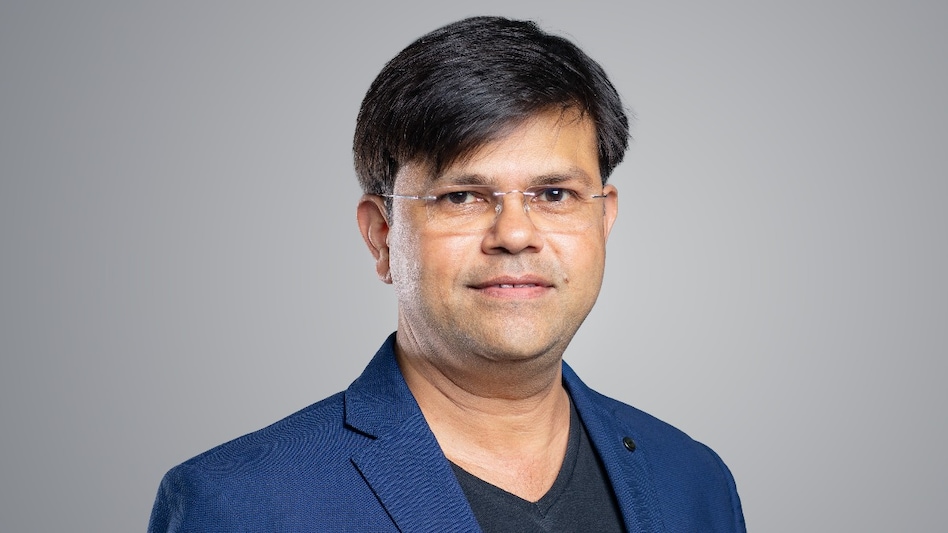 Shrikant Chauhan, Head of Research at Kotak Securities
 Missed your minimum balance? Banks pocketed ₹26,100 cr in penalties in just 4 years
 Why Tata Sons got ₹28,291 cr from TCS in FY26, down from ₹32,184 cr in FY25
 What a new report says about India's digital banking frauds
 ‘Extremely disturbing occurrence ’: MeitY reacts to removal of PM Modi video, seeks explanation from Meta
 HUL to further raise prices. Here’s how much
 7.1 Quake Shakes Southern Japan: Roads Split, Buildings Burn, Hundreds Of Thousands Evacuated
 How Mohammad Irfan Went From Street Hawker To India's Most Viral Protest Voice
 Congress Vs BJP Clash In Lok Sabha Over Anti-Paper Leak Bill 2026 As Opposition Questions Police
 "Justice Delayed Is Justice Denied": Bansuri Swaraj Hails Anti-Paper Leak Bill Strict Penalties
 CM Rekha Gupta Approves ‘Delhi Lakshmi Yojana’; Women To Get ₹2,500 Monthly Financial Assistance
 Nifty, Sensex, Nifty Bank outlook for today: GIFT Nifty up 120 points; key levels to watch
 Top stocks in news: L&T, Birlasoft, LIC, Tata Capital, NTPC, Graphite, RVNL, RPG Life, AEL
 Moschip Technologies, Tamilnad Mercantile Bank shares: Here's what charts indicate
 Sensex, Nifty end lower as FMCG, energy weigh; IT stocks outperform
 L&T Q1 results: PAT rises 14% to Rs 4,123 crore; revenue up 7%
 AC vs cooler: The one mistake that can secretly double your summer electricity bill
 Quote of the Day by Mukesh Ambani: ‘I have always believed that technology...’
  Ather EL, Honda Activa 7G among top 4 Family Scooters launching in 2026
 Tatkal booking changes from August 1: Indian Railways' new token system explained










