


 Fake jobs at University of California, real H-1B approvals: Indian-origin duo pleads guilty
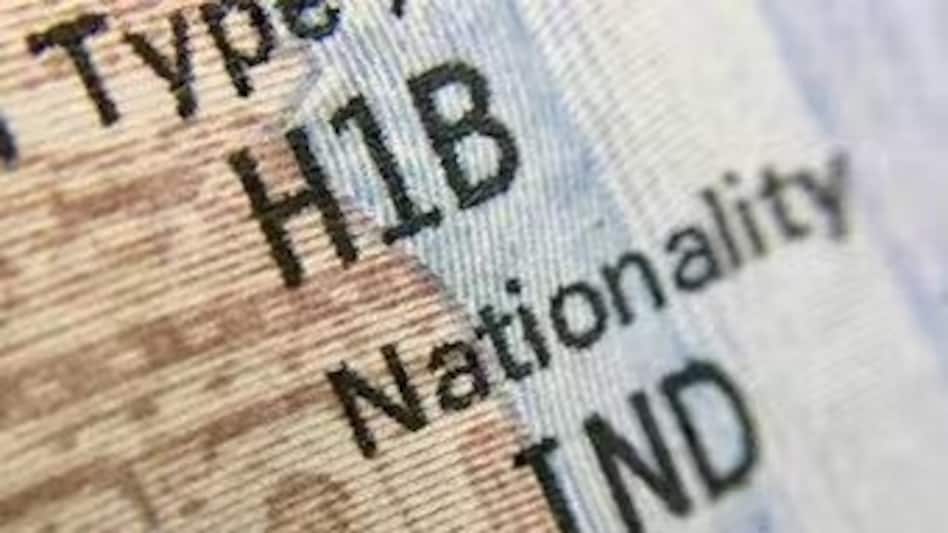
H-1B visa fraud: A University of California insider and a California-based visa firm operator spent nearly three years quietly gaming one of America's most competitive immigration systems. Their method was straightforward: file visa applications for jobs that did not exist, secure the approvals, then quietly place the workers elsewhere. Last week, it caught up with them.
Sampath Rajidi and Sreedhar Mada, both 51 and residents of Dublin in California's East Bay, pleaded guilty this week on charges of conspiracy to commit H-1B visa fraud. The US Justice Department made the announcement on Friday.

 'No country should help Iran evade sanctions': Marco Rubio on Modi-Pezeshkian meet at SCO summit
 ‘Ill-educated, egregiously wrong…’: Neelkanth Mishra says ‘2.6% GDP growth’ claim is obviously incorrect
 Tata share transfer case: Inquiry closed, Charity Commissioner finds sale followed due process
 Ola share price in focus as board to consider fundraise on September 5
 Nifty, Sensex, Nifty Bank outlook for today: GIFT Nifty up nearly 90 points; key levels to watch
 U.S. May Tighten Child Passport Checks Under Trump, Indians And Birth Tourism Families Face Scrutiny
 Market Commentary | Deven Choksey On Buying Opportunities & Market Trends
 “India Is Certainly Not In Crisis”: Arvind Panagariya On Growth, Investment And Reforms
 Daily Calls: Ask Your STOCK MARKET TODAY QUERIES | Market Update | Share Market News Today
 What’s Hot: Stocks, Gold & Big Money Moves | Daily Markets Show | September 02 | Business Today
 UltraTech Cement shares: Brokerage sees 34% upside; points to C&W foray as positive
 Tata Power gets price target, rating upgrade; bull case & bear case scenariosOla share price in focus as board to consider fundraise on September 5
 Meesho block deal today: SoftBank to sell 1.5% stake; check floor price, deal value
  Inox Wind shares in focus after Rs 755 crore repeat order from IOC; key details
 After retiring from IAF, legendary pilot Abhinandan Varthaman takes cockpit seat at Fly91
 LPG, CNG, PNG prices today (September 3): Check latest rates in Delhi, Mumbai, Kolkata, other citiesUltraTech Cement shares: Brokerage sees 34% upside; points to C&W foray as positiveTata Power gets price target, rating upgrade; bull case & bear case scenarios
 'Fastest-growing economy': Envoy Vinay Kwatra pitches Viksit Bharat ambition to Wall Street investors












