

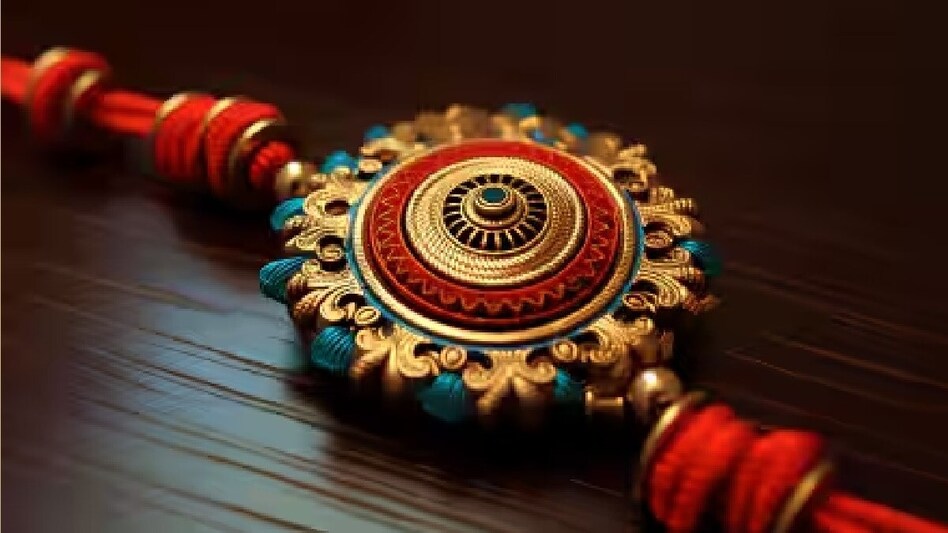
 Gifting financial protection on Raksha Bandhan
Raksha Bandhan, at its core, is a celebration of protection a heartfelt vow between siblings to safeguard one another, no matter what life brings. In today’s uncertain world, where risks extend far beyond what is visible or predictable, that promise calls for more than just sentiment it demands action. As someone entrusted with the business of protection, this occasion is the perfect reminder of why insurance is no longer a product of necessity, but of love, responsibility, and foresight.
Across homes and generations, Raksha Bandhan has been a symbol of unwavering trust. But as the nature of threats evolves from medical emergencies and income disruptions to rising healthcare costs and natural calamities our interpretation of ‘protection’ must evolve too. The traditional Rakhi may still be made of thread, but the protection it stands for today must be strengthened with robust, forward-looking financial tools especially general insurance.
 Infosys, Tech Mahindra, TCS, Wipro: Why IT shares are down in a rising market today
  AI safety or market control? Anthropic, OpenAI, Google SpaceXAI accused of slowing AI progress
 Cyber hits to fake news: Vaishnaw warns of foul play against India’s semiconductor push
  Raymond, Welspun Living, Alok Industries shares rise up to 8%; here's why
  IIT-B prof to be summoned by police; Director signs 18-point charter amid students’ demands
 India’s Credit Growth Surprises At 18-19%: Christopher Wood On CapEx | Jefferies Forum 2026
 MG Hector Tomahawk EV Review | 517km Range, 7 Seats, Performance & Ride Quality | MG’s Best SUV Yet?
 Gold Price Target 2026: Expert Sees MCX Gold At ₹1.8 Lakh By Year-End Amid Strong Demand
 Health Insurance: Why Pre-Existing Diseases And Waiting Periods Matter For Buyers
 Crude Oil Above $100: How High Energy Prices And Rupee Weakness Impact Gold Prices In India
 NSE IPO: India's largest exchange gets 1.73x subscription on Day 3 so far; retail portion booked 94%
 SAMIL shares: Stock fall 2%; company buys 50.1% stake in aerospace & defence firm
 Airtel, NOCIL, Acutaas among top stocks to buy for short-term gains; check target prices & details
 Dilip Buildcon emerges L-1 bidder for Rs 1,265 crore transmission project; stock reactsRaymond, Welspun Living, Alok Industries shares rise up to 8%; here's why
  Planning to visit Canada this year? All you need to know from eTA, visa to processing time, visitor visaIndia’s Credit Growth Surprises At 18-19%: Christopher Wood On CapEx | Jefferies Forum 2026
 Visa reviews: US adds 3 new groups to online background vetting from October 1. Check details
 'Go with your face uncovered': PM Meloni to ban burqas, niqabs in Italy schoolsMG Hector Tomahawk EV Review | 517km Range, 7 Seats, Performance & Ride Quality | MG’s Best SUV Yet?












