

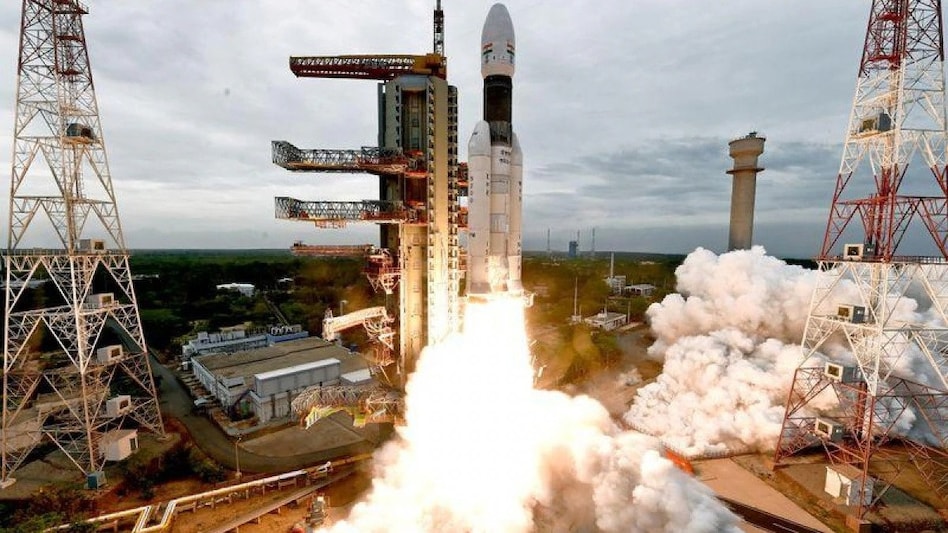
 Before getting into ISRO HR’s budgetary constraints, let’s try and look at the big picture
If I had to pick the most significant year from the history of our space age, it would be 1969. On July 20 that year, the three-member crew from NASA’s Apollo 11 mission successfully landed on the moon. Five decades after that, we still use the word moonshot to describe something with a remote chance of success but done anyway. In the same year, NASA did something else very interesting that seems to have gone largely unnoticed. The American space agency honoured four scientists -- Kurt Debus, Eberhard Rees, Arthur Rudolph, and Wernher von Braun with its highest award, the Distinguished Service Medal. These four gentlemen, apart from being part of NASA for a couple of decades, had one more thing in common. They were part of Operation Paperclip, a special US military ops executed at the end of World War II, to bring terribly talented Nazi scientists to the United States to work for the United States government.
I recall this story because Dr S Somanath, Chairman of the Indian Space Research Organisation, in recent interviews, said that IITians are unwilling to join the space agency due to poor pay. Thanks to RTIs and other news reports, we know that the chairman of ISRO himself draws a salary of Rs 2.5 lakh a month, which is what a mid-level IT professional can expect to earn in India today. He said when his team tried to hire from an IIT campus, more than half of them simply walked out after seeing ISRO’s pay structure.
 India's debt ratio looks reasonable, but its interest cost doesn't, says ISB finance professor
 Nepal issues fresh flood alert as Bhote Koshi river flow increases further
 From IIT, IIM and London to IAS: Deoria DM Divya Mittal resigns after 13 years
 Sadhguru returns to Nepal; Isha says 'no encouraging indication of survivors at immigration office'
 How Tim Cook positioned India as the pillar of Apple’s long-term growth beyond the iPhone
 Tax-Saving Hacks: Expenses For Content Creators & Freelancers — What You Can Claim
 Advance Tax For YouTubers & Freelancers: When And How Much Tax Should You Pay?
 Debt Funds Have Risks Too: 3 Key Risks Every Investor Should Know Before Investing
 Gold Vs Silver: Which Is Better Buy Now? Why Silver Could Outperform Gold
 Debt Funds Explained: Which Fund Should You Choose Based On Your Investment Horizon?
 Jio Platforms IPO gets SEBI nod: Rs 27,500 crore debt repayment plan, $100 billion valuation in focus
 Closing Auction Session: Why the system expected to reduce volatility is still seeing occasional wild swings
 RIL-backed penny stock hits 52-week low; firm clarifies on high trading volume
 Happiest Minds shares slip despite IT stocks surge; here's what is weighing on the stock
 BEL, Solar Industries shares remain Nuvama's top defence picks; here's what it said on BDL, Data Patterns, HAL
 HDFC Bank's next CEO: Deputy MD Kaizad Bharucha in focus after Jagdishan opts outTax-Saving Hacks: Expenses For Content Creators & Freelancers — What You Can Claim
 Bengal to refund ticket money to 33,000 fans after chaotic Messi event, says CM Suvendu Adhikari
 Less than $1 per tonne-km: Bengaluru startup announces autonomous seaplane to cut cargo costsAdvance Tax For YouTubers & Freelancers: When And How Much Tax Should You Pay?












