

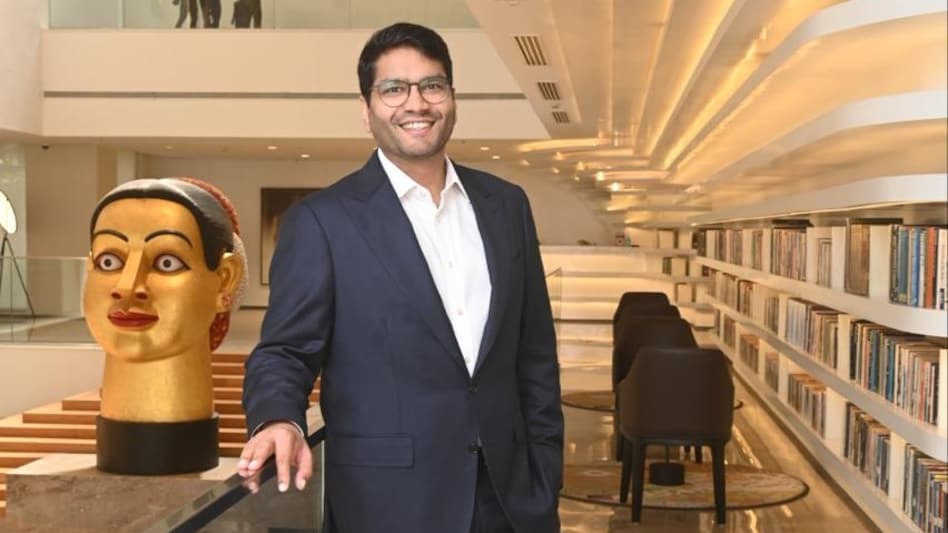
 Shashwat Goenka, Vice Chairman, RP-Sanjiv Goenka Group
In recent conversations among business leaders across boardrooms and operating teams, one theme stands out clearly: confidence in AI has become almost universal, but organisational readiness has not. AI is no longer discussed as a frontier technology in these rooms; it is assumed. What remains unresolved is whether enterprises are structurally prepared to absorb AI into how decisions are made and how execution is designed.
That reflection deepened recently at a leaders' roundtable with Sam Altman. His view was direct: we are roughly two years from early superintelligence. When you hear him walk through the progression—from solving basic math to producing original results in theoretical physics — it stops feeling like a prediction and starts feeling like a deadline. The question for every business leader in that room was the same: is your organisation structurally ready, or is it still running pilots?
 Will industry participate in the government's call for participation in indigenous SMR development?
 Is Asia facing 1997 again? HSBC's chief economist warns AI demand is the new vulnerability
 'ISRO will neither be privatised, nor...': Space agency clarifies its future role amid private-sector push
 Changed jobs frequently? You may have multiple PF accounts — here’s how to fix it
 India becomes key diesel supplier to Europe via Bab-el-Mandeb
 Equity, FDs, Gold & More: How Couples Should Plan Their Investments Together
 How Couples Can Balance Shared Goals With Individual Dreams And Financial Needs
 FSSAI CEO On Misleading Food Ads, Brand Crackdowns And Pressure From Industry Lobby
 Couples & Tax Planning: How Smart Expense Planning Can Help Reduce Family Tax Outgo
 Mutual Fund Allocation: How Much Should Investors Allocate To Large, Mid & Small Cap Funds?
 Top stocks in news: JSW Steel, TMCV, Mazagon, RVNL, Lupin, Molbio, Purple Style, HEG, Lemon Tree
 APL Apollo, GNFC, Apar, Force Motors among stocks to turn ex-dividend next week; big payouts in focus
 LIC weighs NSE IPO strategy: CEO says market conditions, valuation to decide final move
 IHCL, LemonTree, Chalet among 5 hotel stocks to buy; analysts see up to 49% upside
 FCNR(B) windfall lifts NBFCs, small private banks: Why these stocks may be the bigger winnersTop stocks in news: JSW Steel, TMCV, Mazagon, RVNL, Lupin, Molbio, Purple Style, HEG, Lemon Tree
 From six months’ savings to investments in your own name: This CA has 6 financial tips every woman should consider for a better financial futureIs Asia facing 1997 again? HSBC's chief economist warns AI demand is the new vulnerability
 This Chinese entrepreneur found a strange way to help people relax. Now he makes ₹14 lakh a monthChanged jobs frequently? You may have multiple PF accounts — here’s how to fix it












