


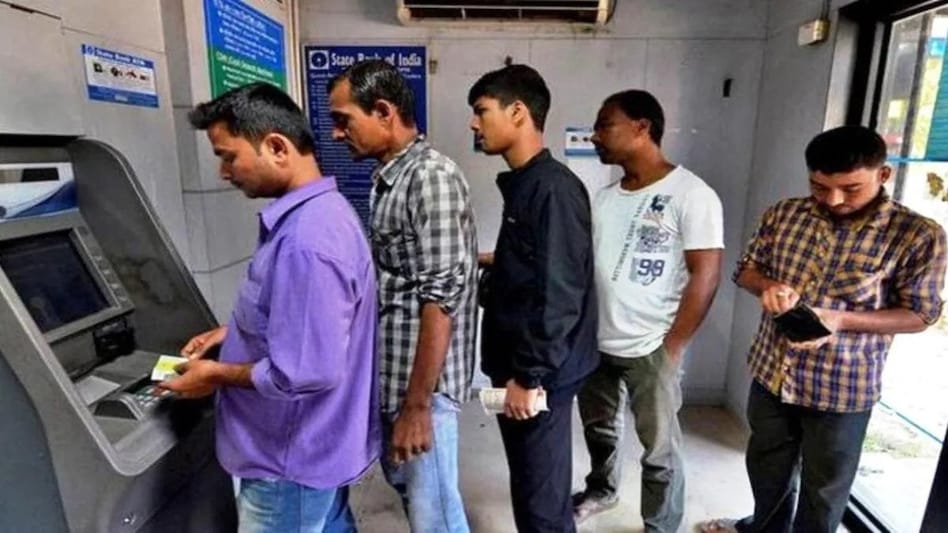
 These scammers aim to gather personal details such as passwords and PIN numbers by peering over their victims’ shoulders.
Scammers constantly find new ways to deceive and exploit individuals, even at supposedly secure environments like ATM kiosks. One common scam that poses a significant threat is shoulder surfing, where criminals discreetly observe unsuspecting victims to steal sensitive information. People can become targets at an ATM or while using their phones for transactions without even realising it.
Amit Gupta, Managing Director at SAG Infotech, said, “Shoulder surfing involves thieves positioning themselves nearby and surreptitiously watching people’s actions. These scammers aim to gather personal details such as passwords and PIN numbers by peering over their victims’ shoulders. They use this information later for their financial gain. Shoulder surfing commonly takes place in crowded locations, where it’s easy for thieves to blend in and exploit distracted individuals. In some cases, scammers may even employ binoculars or other devices to enhance their ability to gather information from a distance.”
 The GDP conundrum: Economists split over India's faster-than-expected 7.8% GDP growth rate
 Subhash Chandra insolvency case: 'I've been vilified across country over ₹6.5 crore repayment plan,' says media baron
 Tata Sons chairman succession delayed as Sir Ratan Tata Trust seeks approval to join search panel : Report
 DGCA notes ‘serious findings’ in India’s top airlines during safety audits: Report
 John Ternus salary: How much will he earn as Apple CEO?
  Piyush Goyal Says India Could Become The World’s Data Centre Hub With $200 Billion Investment
 Meet John Ternus: The Engineer Taking Over Apple After Tim Cook’s 15-Year Reign
 Do You Really Need A New Phone Every Year? The Smartphone Upgrade Truth
 Nepal Flood Miracle? One Turquoise House Stands As Family Survives Deadly Trishuli Disaster
 Nifty Cracks 23,800: Expert Warns Of Further Downside As Crude Oil Nears $97; What Next?
 BEL, AEL, ICICI Bank, Eternal, BSE, Dixon Tech, Coforge, RBL Bank: MOFSL's top picks
  GPT Infraprojects shares rise over 9% on fresh order win, check details
  Vadilal, Nirlon, Action Construction Equipment, Birla Precision Technologies among 12 stocks to turn ex-dividend tomorrow
 Nifty mover | ICICI Bank eyes top heavyweight spot as HDFC Bank, RIL slide
 SBI Funds, Zydus Life, CemIndia, GIC RE among stocks with fresh brokerage interest for upto 55% risePiyush Goyal Says India Could Become The World’s Data Centre Hub With $200 Billion InvestmentMeet John Ternus: The Engineer Taking Over Apple After Tim Cook’s 15-Year ReignDo You Really Need A New Phone Every Year? The Smartphone Upgrade TruthNepal Flood Miracle? One Turquoise House Stands As Family Survives Deadly Trishuli DisasterBEL, AEL, ICICI Bank, Eternal, BSE, Dixon Tech, Coforge, RBL Bank: MOFSL's top picks












