


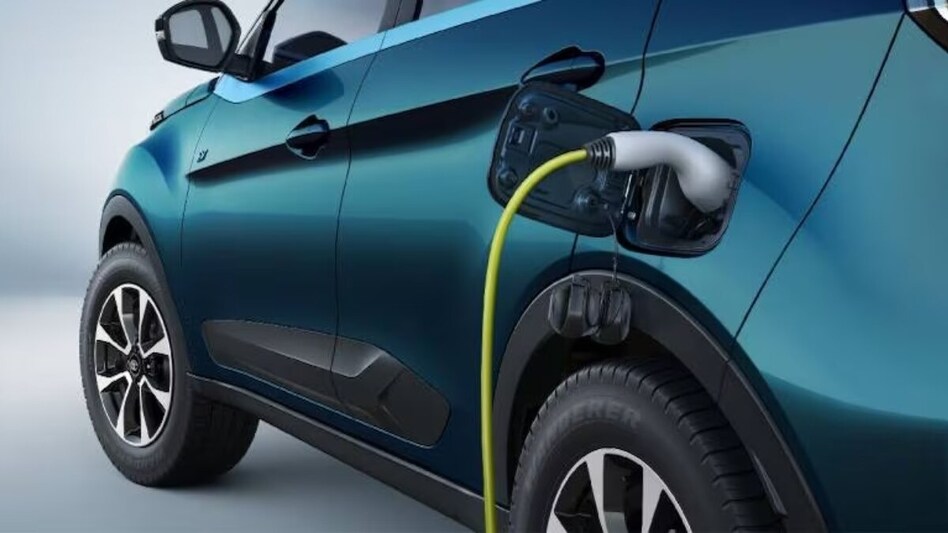
 Because ethanol has about 30% less energy per litre than petrol, drivers are seeing fuel economy plunge.
What if the fuel you pump every morning is quietly corroding your engine, cutting your mileage, and voiding your warranty—and no one warned you? Financial advisor Lovish Anand’s LinkedIn post pulls back the curtain on India’s rapid shift to ethanol-blended petrol, revealing the hidden costs vehicle owners may already be paying.
India’s achievement in reaching 20% ethanol blending (E20) in petrol five years ahead of schedule is globally impressive. It promises ₹1.2 lakh crore in foreign exchange savings and a reduction of 626 lakh metric tonnes of CO₂ emissions. But Anand warns: for vehicle owners, the ground reality is far from green.

 Apple’s growth under CEO Tim Cook: The journey from $350 billion to $5 trillion
 Top 1,000 listed Indian companies see 53% jump in FY25 carbon emissions: IIM-Bangalore study
 How Tim Cook introduced larger iPhone screens and changed Apple’s smartphone strategy
 NSE's ₹30,000 crore IPO: SBI, its investment banking arm to offload 1% stake
 'True founder of Bengaluru's IT hub is Jyoti Basu': Sanjeev Sanyal on Kolkata's lost tech edge
 Why Meta Could Be Fined $1.4 Trillion! Instagram-Facebook Could Change Forever
 Gold Price Outlook: Can Festive & Wedding Demand Push Prices Higher In India?
 Gold Price Rally: Why Gold Surged 16% In August; Key Triggers Behind The Comeback
 Gold Vs Silver Vs Sensex Since 2005: Which Investment Delivered Better Returns?
 “Women’s Reservation Will Be Fulfilled”: Kiren Rijiju On Delimitation And Census
 NSE's ₹30,000 crore IPO: SBI, its investment banking arm to offload 1% stake
 Jio Platforms IPO gets SEBI nod: Rs 27,500 crore debt repayment plan, $100 billion valuation in focus
 Closing Auction Session: Why the system expected to reduce volatility is still seeing occasional wild swings
 RIL-backed penny stock hits 52-week low; firm clarifies on high trading volume
 Happiest Minds shares slip despite IT stocks surge; here's what is weighing on the stock
 Srikant Tiwari goes green: Manoj Bajpayee buys ₹1.37 crore land parcel near Lonavala
 New car rule: Why your headlights may behave differently from next year
 Next space race could be fuelled by AI: How technology may reshape the orbital economy by 2030
 Inside Tim Cook’s rise at Apple: The journey from operations to CEO
 Edelweiss vs HSBC vs Invesco vs WhiteOak: How India’s top midcap funds are positioning portfolios












