















 Indian REITs outperform their global peers, says report
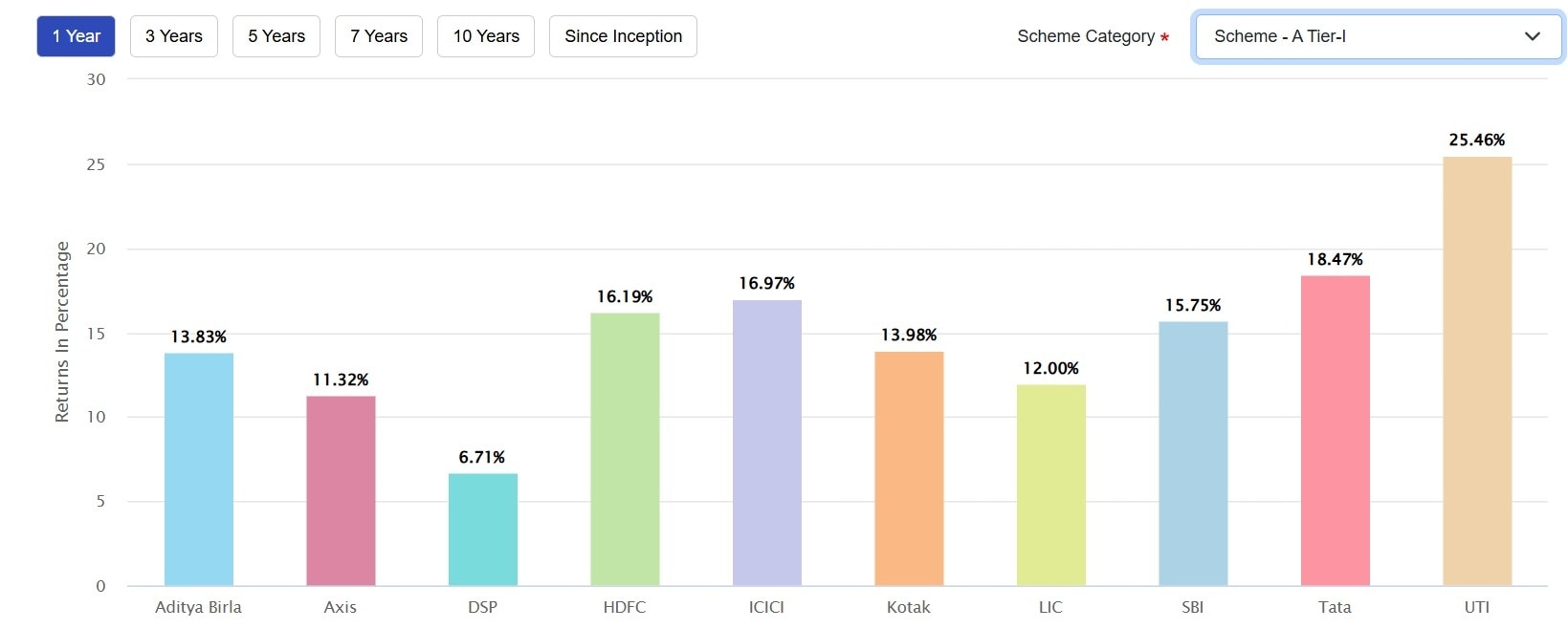
Despite subdued equity markets, Scheme A within the National Pension System (NPS) Tier-I account has delivered a standout annual return of up to 25 per cent in the past year. This high-risk, niche component is strictly capped at a 5 per cent allocation for subscribers under the active choice option. Investments are mainly in Real Estate Investment Trusts (REITs), Infrastructure Investment Trusts (InvITs), and Additional Tier-1 (AT1) bonds, offering exposure to asset classes typically out of reach for retail pension investors. However, the fund's limited scale, concentration in a few top-performing securities, and regulatory constraints raise important considerations for risk and portfolio construction.
All 10 NPS pension fund managers offer Scheme A, but its corpus remains small at approximately ₹800 crore, with over five lakh subscribers. The largest manager, HDFC Pension, holds around Rs 450 crore, while SBI Pension and ICICI Pru Pension follow with Rs 130 crore and Rs 112 crore, respectively. This limited size has resulted in highly concentrated portfolios. Tata and UTI pension funds each allocate more than 80 per cent of their Scheme A exposure to a handful of REITs and InvITs. Others such as LIC Pension (62 per cent) and Aditya Birla Sun Life (47 per cent) prefer AT1 bonds.

 BT Big Story: How the FCNR(B) deluge has created two new problems for the RBI
  ‘I think the world of Chandra,’ says JPMorganChase Chairman Jamie Dimon amid reappointment row
 Tata Sons to be split into smaller entities instead of listing? Here’s what we know
 NSE IPO beats Hyundai, LIC, Paytm in subscription; how 5 largest issues fared
 'Upcoming superpower in Indo-Pacific': V4 countries back India’s UN Security Council bid
 R Veeramani POCSO Case Widens: Multiple Survivors Traced | India Today Investigation
 Tata Tussle Escalates: N Chandrasekaran Row | What Lies Ahead For Tata Group And Stocks?
 Burqa Ban In Italy? Meloni Pushes New Rules On Face Coverings
 Tata Trusts-Tata Sons Row: Harish Salve Explains RBI Rules, Singhvi Flags Shareholder Rights
 Top Legal Eagles Flock To Tata Sons & Tata Trusts As Boardroom Clash Heads To Court
 German Green Steel and Power IPO opens on Sept 25: Check price band, issue size & key details
 Embassy Developments shares rise 8% on 'largest single residential unit transaction'; check details
 NSE IPO sets retail allocation record at Rs 7,872 crore; key details
 Sterling and Wilson Renewable Energy shares gain 5% as firm wins orders worth Rs 985 crore
  Varmora Granito IPO opens today: Should you subscribe? Check price band, review, fresh GMP & more
 ED names EaseMyTrip co-founder Nishant Pitti in chargesheet on Mahadev betting app caseGerman Green Steel and Power IPO opens on Sept 25: Check price band, issue size & key detailsEmbassy Developments shares rise 8% on 'largest single residential unit transaction'; check detailsR Veeramani POCSO Case Widens: Multiple Survivors Traced | India Today InvestigationNSE IPO sets retail allocation record at Rs 7,872 crore; key details


