


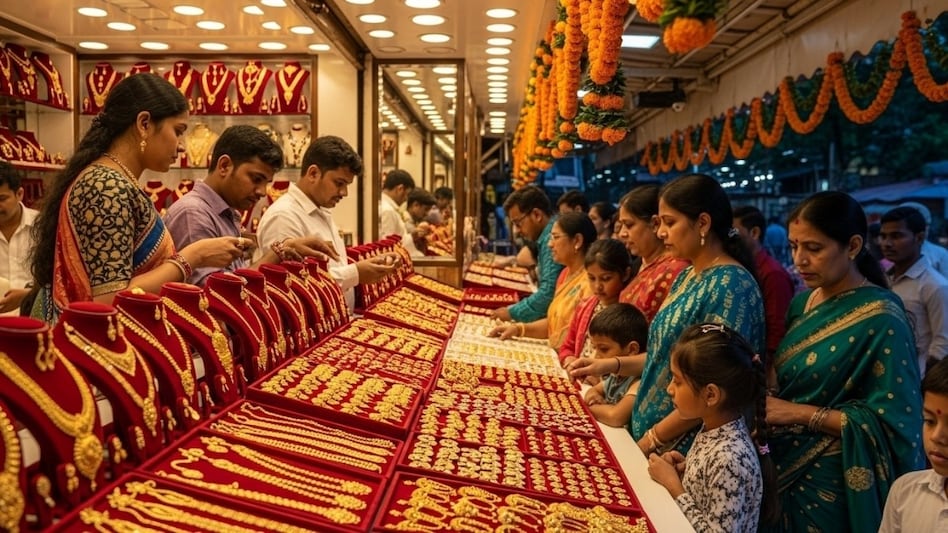
 Bangar’s conclusion is clear: for serious investors, SGBs and ETFs are far superior to traditional forms. “Gold isn’t just an emotion—it should be an informed decision,” he said.
 India bought 35,000 kg of gold during Dhanteras last year—but are buyers getting real value?
In a data-rich LinkedIn post, Sujit Bangar, founder of TaxBuddy.com, laid out a compelling breakdown of the most popular ways Indians invest in gold—and which ones actually deliver the best returns. With Dhanteras sparking another gold rush, his analysis dives deep into the hidden costs and real returns of each investment class.

 'RBI letter does not mention listing': Noel Tata seeks full briefing on Tata Sons-RBI talks
 Tata Trusts asks Tata Sons to explore options other than listing, says ‘Tata Model has to be saved’
 Tata Trusts proposes ₹25,000 crore plan for SP Group, says Tata Sons listing is not an option
 Chandrasekaran had assured all necessary steps were being taken to remain private: Noel Tata
 'We cannot put the cart before...': Noel Tata's argument against N Chandrasekaran's reappointment
 Corporate Health Insurance Vs Retail Policy: Why You Need Personal Health Cover Too
 How India Changed In 12 Years: PM Modi’s Journey From Economic Reforms To Viksit Bharat
 Modi @76: From Twitter To Instagram, How His Digital Outreach Has Evolved
 Stock Picks To Watch: Shibani Kurian Reveals Kotak AMC’s Market Bets
 Gold ETF vs Physical Gold: Know the Tax Rules, Charges and Key Differences
 Hero Motors IPO subscribed 3.37 times on Day 2; retail portion subscribed over 5 times
 NSE IPO: India's largest exchange gets 43% subscription on Day 1; NIIs, retail see strong demand
 Rentomojo shares settle maiden trade nearly 32% above IPO price; what should investors do now?
 Sensex slips, Nifty settles higher; Tata stocks gain after N Chandrasekaran reappointment
 Cochin Shipyard, KRBL, RITES, Ramky Infrastructure among stocks to turn ex-dividend on September 18
 Venezuela introduces new PRO-V-90 visa for foreign professionals; key details for Indians
 iPhone Duo won’t go on sale on Sept 18: Here’s when you can buy Apple’s first foldable
 Moon took a massive hit: Why nobody noticed this giant crater at first
 Not clay, but pani puri: Pune's 13-foot Ganpati is made from 21,000 shells
 Fireballs after dark: 5 autumn sky events you won't want to sleep through












