


 Even legacy FMCG brands have leaned into this quiet shift.
Somewhere between a pack of popcorn at 35,000 feet and a paneer tikka made with fake dairy, something changed — and we barely noticed.
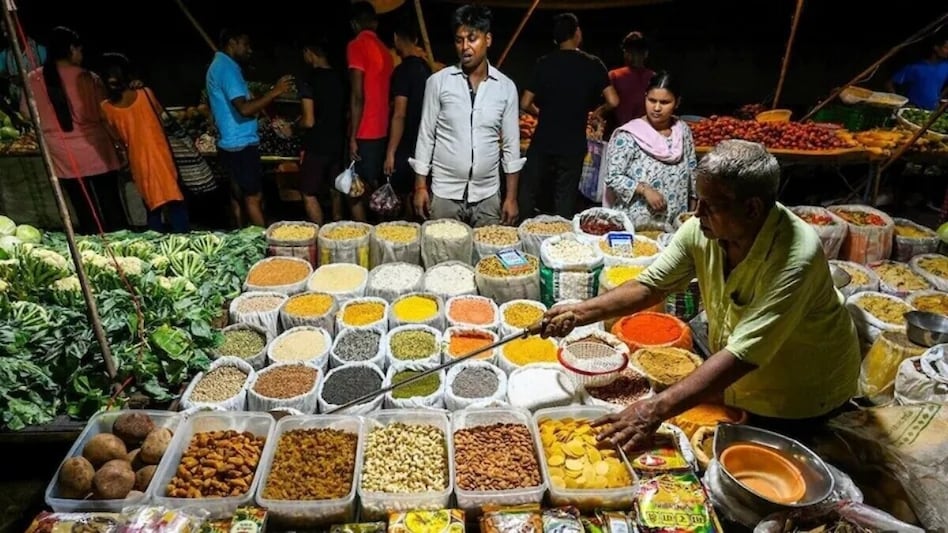
In a LinkedIn post, IIM alumnus Lokesh Ahuja puts a name to a trend many middle-class Indians have quietly accepted: skimpflation. It’s not about getting less for the same price — it’s about getting cheaper inputs, downgraded quality, and hollowed-out value, all while prices remain untouched.

 How Tamil Nadu is continuing to lead in manufacturing with factories and factory workers
 Carney strikes back: Canada retaliates against US tariffs with duties on $20 billion of goods
 Get a lifetime membership at Delhi's iconic Roshanara Club; DDA opens 750 slots, check prices
 Did you know India’s cash demand is strong despite the digital payment boom?
 Xi Jinping likely to visit India after 7 years for BRICS summit, may bring 400-member delegation
 Trump Moves To Make H-1B Visa Fee Permanent And Higher: What It Means For Indians
 Market Rally Vs Geopolitical Risk: What Wins From Here? Aditya Agarwal
 Daily Calls: Ask Your STOCK MARKET TODAY QUERIES | Market Update | Share Market News Today
 Symbiotec Pharmalab IPO | Top Management On Growth Plans, Business Outlook & IPO Strategy
 Chennai Second Airport Halted: Parandur Project Faces Wetland Concerns & Political Storm
 Paytm shares up 33% in a month: Time to book profits or is there more upside left?
 Nykaa shares: Elara Capital hikes target price; sees 43% upside potential
 Crompton Greaves shares: Brokerage sees 67% upside potential; check target price
 Dixon Tech, Amber Enterprises: Will they benefit from MPMS? Kotak shares views
 Vodafone Idea, Paradeep Phosphates, Hindustan Copper shares: What expert says
 Health insurance waiting periods: Why switching policies mid-year may not solve the problem
 PPFAS GIFT cuts minimum investment in S&P 500, Nasdaq 100 funds from $5,000 to $500
 India’s gold derivatives market crosses ₹2.2 lakh crore in daily turnover; physical deliveries hit 175 tonnes
 Apple launches refreshed Mac Mini and Mac Studio with M6 and M5 Pro silicon in India
 'It is the feeling of being...': Suniel Shetty reveals what keeps him working at 65 despite financial success












