


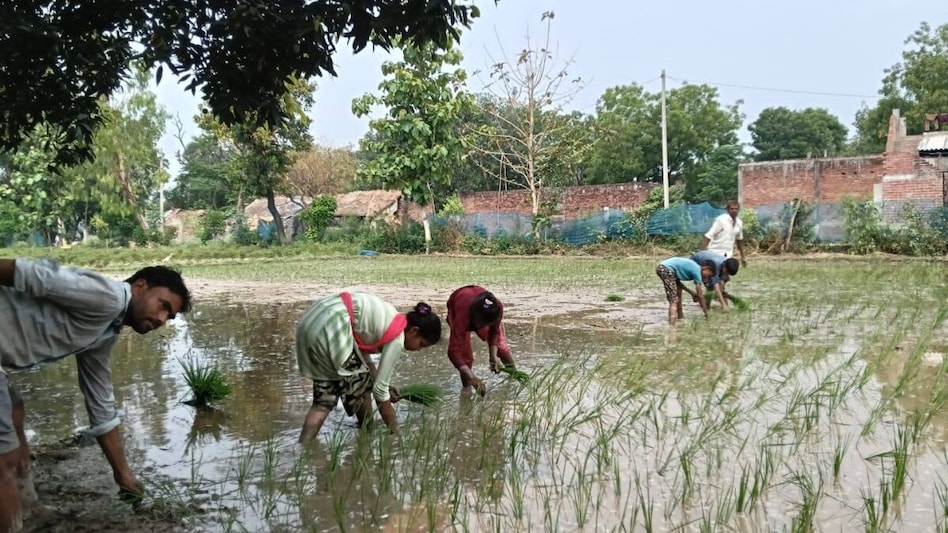
 The previous, 20th instalment of the scheme was released on August 2, 2025, when the PM transferred around Rs 20,500 crore to the accounts of 9.7 crore beneficiaries.
Prime Minister Narendra Modi on Wednesday, November 19, released the 21st instalment of the Pradhan Mantri Kisan Samman Nidhi (PM-KISAN) scheme during an event in Coimbatore, Tamil Nadu. More than Rs 18,000 crore was transferred directly into the bank accounts of over nine crore farmers across the country, continuing the government’s push for seamless income support to small and marginal cultivators.
Launched in 2019, PM-KISAN has grown into one of India’s largest direct benefit transfer (DBT) programmes. The scheme provides ₹6,000 per year to eligible farmers, delivered in three instalments of Rs 2,000 every four months. Payments are deposited straight into Aadhaar-linked bank accounts through the central DBT system, minimising delays and leakages.

 'We cannot put the cart before...': Noel Tata's argument against N Chandrasekaran's reappointment
 Tata Trusts opposes N Chandrasekaran reappointment, says board resolution is ‘legal nullity’
 N Chandrasekaran reappointed for 5 yrs as Tata Sons Chairman; board approves public listing
 Tata Sons IPO: Board approves listing on stock exchanges
 NSE IPO: India's largest exchange gets 43% subscription on Day 1; NIIs, retail see strong demand
 Stock Picks To Watch: Shibani Kurian Reveals Kotak AMC’s Market Bets
 Gold ETF vs Physical Gold: Know the Tax Rules, Charges and Key Differences
  PPF vs NPS: Tax Benefits, Returns and Lock-in Period Explained for Retirement Planning
  FDs, RDs & Savings Accounts: Why They May Not Help Build Wealth After Tax & Inflation
  U.S. House Clears Russia Sanctions Bill As Senator Warns India, China Over Russian Oil
 Hero Motors IPO subscribed 3.37 times on Day 2; retail portion subscribed over 5 timesNSE IPO: India's largest exchange gets 43% subscription on Day 1; NIIs, retail see strong demand
 Rentomojo shares settle maiden trade nearly 32% above IPO price; what should investors do now?
 Sensex slips, Nifty settles higher; Tata stocks gain after N Chandrasekaran reappointment
 Cochin Shipyard, KRBL, RITES, Ramky Infrastructure among stocks to turn ex-dividend on September 18Stock Picks To Watch: Shibani Kurian Reveals Kotak AMC’s Market BetsHero Motors IPO subscribed 3.37 times on Day 2; retail portion subscribed over 5 timesNSE IPO: India's largest exchange gets 43% subscription on Day 1; NIIs, retail see strong demand
 Kia Carens Clavis EV gets a 15-year battery warranty, but family buyers must understand the 70% rule
 OnePlus 16 teased with 165Hz system-wide display and gaming upgrades: What we know












