


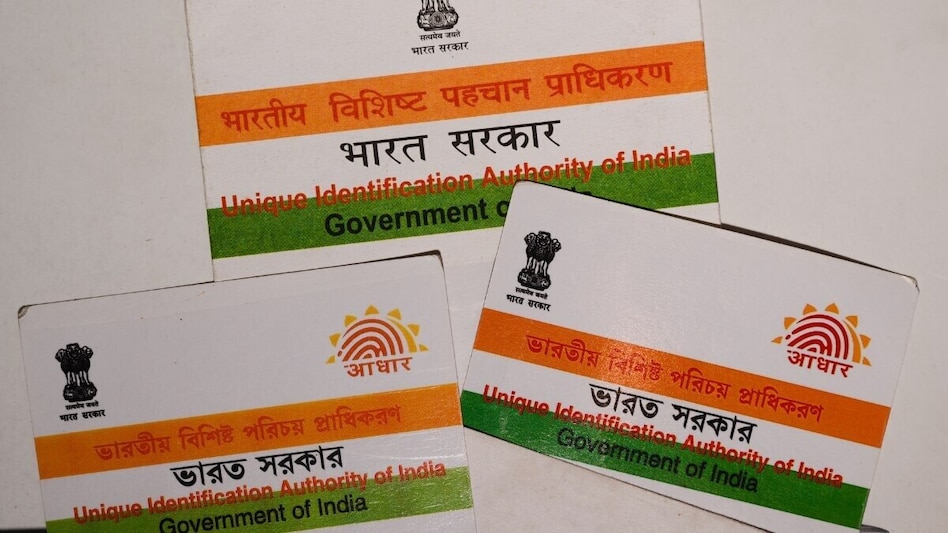
 Under the revised rules, a child’s Aadhaar number, generated without collecting biometric data, may be shared with birth registration authorities, subject to parental consent, to strengthen identity verification and prevent multiple enrolments.
The Unique Identification Authority of India (UIDAI) has introduced a regulatory amendment to curb duplicate enrolments for Baal Aadhaar cards, which are issued to children under five years of age. This move is targeted at preventing multiple Aadhaar IDs being issued based on a single birth certificate.
According to the UIDAI, the amendment allows the sharing of a child's Aadhaar number, generated from a birth certificate, without collecting biometric data, with authorities such as the Registrar General of India. This is contingent on parental consent. "The Authority may, with the consent of parent or guardian, share the Aadhaar number, which was generated pursuant to enrolment of a child below the age of 5 years on the basis of a birth certificate and without collecting the core biometric information, with the Registrar General of India or Chief Registrar for a State… to prevent duplicate enrolment on the basis of the same birth certificate," stated the UIDAI.

 Sajjan Jindal-led JSW Greentech enters electric bus market, rolls out first 100 buses at Dolvi plant
 Why Air India is betting bigger on Canada new Mumbai-Toronto flights and new Dreamliner
 Hyundai Motor India posts highest-ever monthly sales of 75,360 units in July, exports hit 100-month high
 BT Explainer: Air India back with its long-haul monopoly as IndiGo ends widebody operations
 GST collections jump 15.4% to ₹2.11 lakh crore in July, import tax revenues surge nearly 29%
 Can India Power Millions Of Homes Without Generating More Electricity?
 Women’s Financial Independence: Why Earning Money Is Not Enough| Priti Rathi Gupta Explains
 The Hidden Truth Behind India's Highway And PPP Model
 Why India's Biggest Infrastructure Projects Get Stuck Despite Massive Investments
 PMS Investment Strategies Explained: Why Same Stocks Can Deliver Different Returns?
 HUL shares: Why analyst prefers Marico, Nestle to the FMCG sector leader in short term
 Tata Steel, Vedanta among top metal bets for a six-month view, says analyst
 Bajaj Housing Finance shares down 53% from its peak; is it time to buy?
 GMDC, IDFC First Bank: Expert shares outlook, key levels to watch
 Maruti Suzuki Q1 results: Profit slips 9% YoY to Rs 3,447 crore; revenue climbs 36%Sajjan Jindal-led JSW Greentech enters electric bus market, rolls out first 100 buses at Dolvi plant
 Your car loan is over but your checklist isn't: CA explains costly mistakes made after the last EMI
 How India’s young billionaires are harnessing digital infrastructure to build high-growth businesses
 The new start-up billionaires in the age of Gen ZWhy Air India is betting bigger on Canada new Mumbai-Toronto flights and new Dreamliner










