


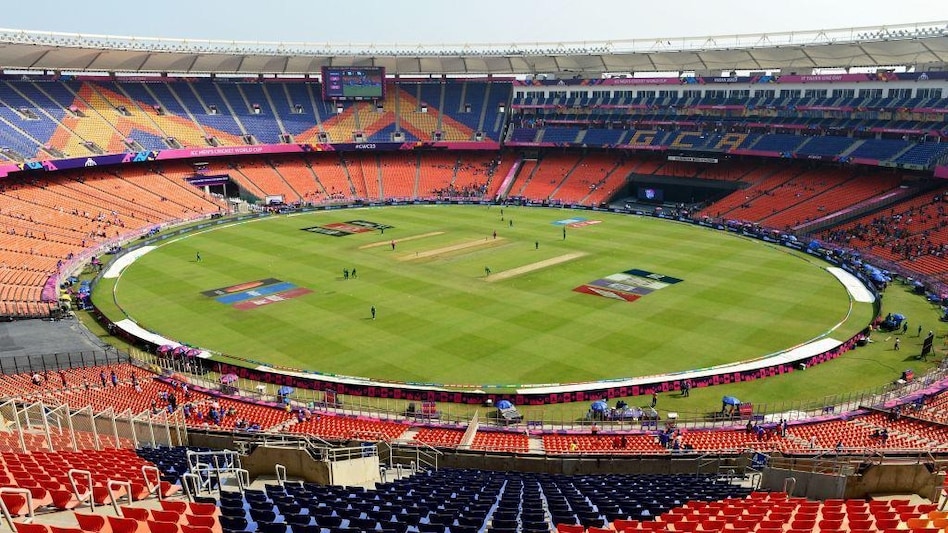
 Ahmedabad’s key advantage is affordability—a 1,000 sq. ft. flat averages around Rs 48 lakh, far cheaper than Bengaluru’s Rs 89 lakh and MMR’s Rs 1.32 crore.
Amid India’s red-hot real estate boom, Ahmedabad has quietly stood out as a model of affordability and stability. According to PropTiger.com’s Real Insight Residential: July–September 2025 report, the city remained the cheapest major housing market in the country, with average property prices at ₹4,820 per sq. ft. in Q3 2025—up 7.9% year-on-year and 1.9% from the previous quarter.
While property values across India’s eight largest cities rose between 7% and 19%, led by Delhi-NCR, Bengaluru and Hyderabad, Ahmedabad’s growth was moderate, backed by end-user demand and controlled supply.

 BRICS Summit 2026: Chinese President Xi Jinping on way to Delhi; Modi-Xi bilateral talks today
 BRICS Summit 2026: Delhi traffic advisory for September 12. Roads to avoid, diversions, alternatives
 Unified BRICS payment system is achievable, but trust is key hurdle: BRICS Business Council chair
 From BRICS to Quad and G20: India’s expanding footprint across global groupings
 Sebi’s Demat 2.0 lays groundwork for tokenising more regulated financial assets
 When Should You Buy ETFs? Understanding Timing, Liquidity & Index Reshuffles
 Insurance Stocks: Value Trap Or Buying Opportunity? Why Current Valuations Could Offer Good Returns!
 Market Commentary: Arun Kejriwal On Nifty, Stocks & The Next Big Move
 Gadkari: FASTag Is More Than Toll Payment, It’s Digital Mobility Infrastructure
 Russia Eyes Bigger India Investments: Sberbank CEO Herman Gref On The Next 2-3 Years
 Sebi’s Demat 2.0 lays groundwork for tokenising more regulated financial assets
 NSE IPO: Haven't applied for shares to trade on own platform, says MD and CEO Chauhan
 NSE's selling shareholders set to rake in bonanza amid a weak broader market
 Milky Mist shares hit 5% upper circuit; here's what analysts say
 Sensex, Nifty settle lower but recover sharply from intraday lows; here's why
 Gold, silver prices on September 12: Check latest rates in Delhi, Mumbai, Kolkata, other citiesWhen Should You Buy ETFs? Understanding Timing, Liquidity & Index Reshuffles
 'Toxic' box office collection day 17: Yash's film in free fall, 'Hanuman Ansh' tops ₹200 crore in India
 Petrol, diesel prices today, September 12: Check latest rates in Delhi, Mumbai, Chennai, Kolkata & more
 LPG, CNG, PNG prices today (September 12): Check latest rates in Delhi, Mumbai, Kolkata, other cities












