


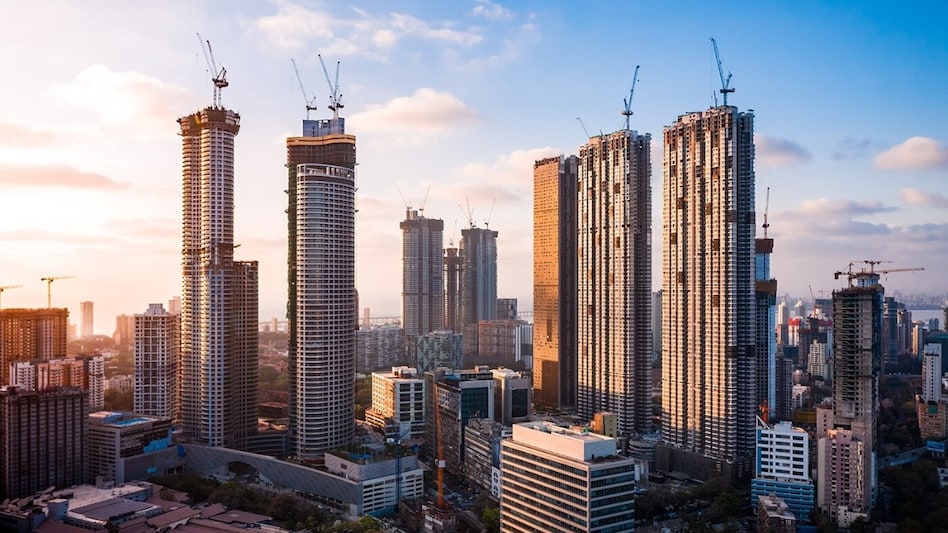
 REITs or real estate investment trust can be described as a company that owns and operates real estates to generate income.
Since the first listing in 2019, Indian Real Estate Investment Trusts (REITs) have steadily gained ground, reaching a market capitalization of about $18 billion as of August 2025. According to the latest report, Indian REITs: A Gateway to Institutional Real Estate, the sector is projected to surpass $25 billion by 2030. Despite being a late entrant compared to global peers, Indian REITs now stand out with distribution yields of 6–7%, significantly higher than those in the US, Singapore, and other mature markets. “Indian REITs are late to the party, but now lead the dance,” said Shobhit Agarwal, CEO – ANAROCK Capital. “These yields are competitive with fixed-income instruments while also offering capital appreciation.”
REITs or real estate investment trust can be described as a company that owns and operates real estates to generate income. Currently, India’s REIT market accounts for just 20% of institutional real estate, far behind the US (96%) and Asian peers like Singapore (55%) and Japan (51%). Much of the activity remains concentrated in Grade A office assets, particularly linked to IT and BFSI occupiers. However, with infrastructure expansion and diversification of the economy, REITs are expected to spread into logistics, retail, housing, and even new-age assets such as data centres.

 Jio Platforms IPO: Will mega listing unlock value for Reliance shares or upside already priced in?
 Jaishankar-Rubio meet today: Trade deal, defence, West Asia crisis, energy cooperation on agenda
 Another roadblock for Elon Musk's Starlink? Govt mulls security system for foreign satcom firms
 Market holiday: Are BSE, NSE closed or open on account of Dussehra 2026 today?
 ‘Not active as a captain; shared all information asked of us’: Rapido on accused linked to Tiger Shroff shooting case
 Retirement Planning: How a ₹10,000 Monthly SIP Can Grow to ₹1 Crore in 20 Years
 Volkswagen On CNG Cars, JSW Partnership And India's Auto Market Outlook
 5 Mutual Fund SIP Mistakes That Can Hurt Your Long-Term Wealth
 Xiaomi Mijia Air Purifier 6 Review: Worth ₹19,999 Before Winter? | Tech Today
 SIP to SWP: How to Withdraw Money From Mutual Funds After Building a Corpus
 Jio Platforms IPO: Will mega listing unlock value for Reliance shares or upside already priced in?Market holiday: Are BSE, NSE closed or open on account of Dussehra 2026 today?
 Jio IPO draws 30 times anchor demand, brokerages see more upside in digital business
 Indian stock market outlook: Nikunj Saraf prefers large-caps, cautions against small-caps
 Hindustan Zinc Q2 earnings: Net profit zooms 149%, revenue at Rs 15,093 crore
  Rajinikanth’s Jailer 2 crosses ₹400 crore worldwide : What box-office figures actually measure‘Not active as a captain; shared all information asked of us’: Rapido on accused linked to Tiger Shroff shooting caseJio Platforms IPO: Will mega listing unlock value for Reliance shares or upside already priced in?
 Gold, silver prices on October 20: Check latest rates in Delhi, Mumbai, Kolkata, other cities
 Buying a MacBook before Diwali? New touchscreen and OLED reports raise questions about whether you should wait












