


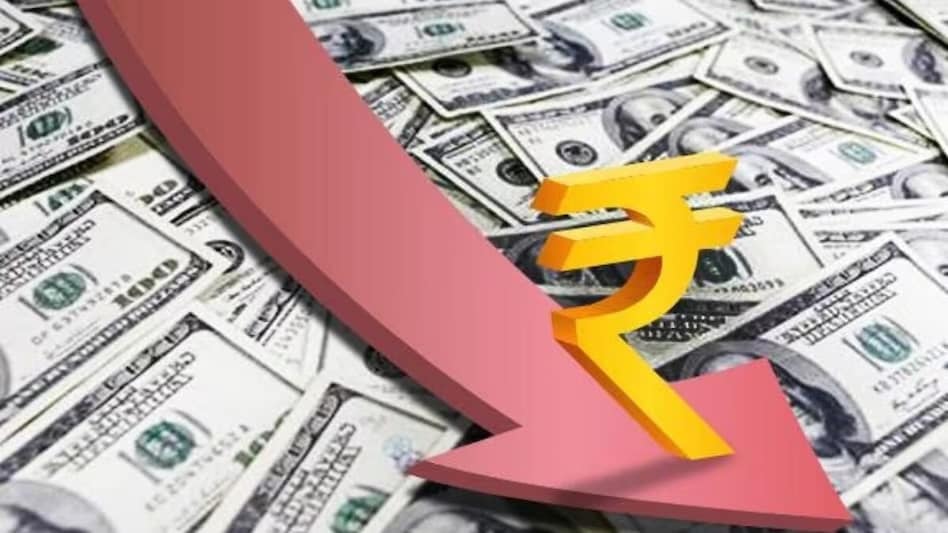
 ₹10,000 in India buys around 35 premium coffees, while the equivalent $120 in the US buys only about 12 cups — this is how Purchasing Power Parity can dramatically alter real spending power.
A six-figure salary in the United States may look impressive when converted into rupees. But does earning in dollars automatically translate into a better lifestyle? Not necessarily, according to Chartered Accountant Nitin Kaushik, who argues that many Indians make the mistake of comparing incomes using exchange rates alone while ignoring Purchasing Power Parity (PPP) — a measure of what money can actually buy in different countries.
"If you convert ₹10,000 into US dollars at current exchange rates, you get roughly $120. The mistake is assuming both amounts offer the same lifestyle," Kaushik said in a recent social media post.

 How Indian investment overseas is gathering momentum
 10-year jail, ₹50 lakh fine: Lok Sabha approves anti-paper leak bill; key details inside
 ITR filing 2026: Confused by the 'reason for filing ITR' question? Here's what taxpayers need to know
 'Hindu daughters not entitled if...': Madras HC's key ruling on ancestral property rights
 The world is now opting for ‘human responsive cities’ over smart cities; here’s what it means
 LIVE What’s Hot: Stocks, Gold & Big Money Moves | Daily Markets Show | July 29 | Business Today TV
 Markets LIVE | ICICI Pru AMC Decodes Valuations, Earnings Revival & Best Sectors To Buy
 TDS vs TCS Explained: How Tax Collection Works And Why Taxpayers Should Know
 "Andhbhakt Believes Another Idiot Is God": Rahul Gandhi Quotes Student In Explosive Lok Sabha Speech
 Advance Tax Explained: Why Salary Earners Should Know About Hidden Tax Liabilities
 Daily Calls: Hero MotoCorp, L&T top stock picks; analyst also likes Bharti Airtel, TVS Motor, M&M
 HUL, Varun Beverages, DMart shares: Is the worst behind in FMCG? Mirae Asset ShareKhan analyst weighs in
 Adani Enterprises posts Rs 1,160 crore Q1 loss on one-time OFAC settlement; revenue jumps 50%
 Chockalingam Narayanan identifies 3 key emerging trends, says this on earnings
 Indian Bank share price: Fresh highs or sharp correction? What are key levels for itLIVE What’s Hot: Stocks, Gold & Big Money Moves | Daily Markets Show | July 29 | Business Today TVMarkets LIVE | ICICI Pru AMC Decodes Valuations, Earnings Revival & Best Sectors To BuyTDS vs TCS Explained: How Tax Collection Works And Why Taxpayers Should Know
 Rajeev Thakkar sells 0.33% stake in PPFAS parent to WhiteOak AIF; deal values fund house at ₹15,800 crore"Andhbhakt Believes Another Idiot Is God": Rahul Gandhi Quotes Student In Explosive Lok Sabha Speech










