


 The Budget also offers relief to students and patients by lowering the Tax Collected at Source under the Liberalised Remittance Scheme (LRS).
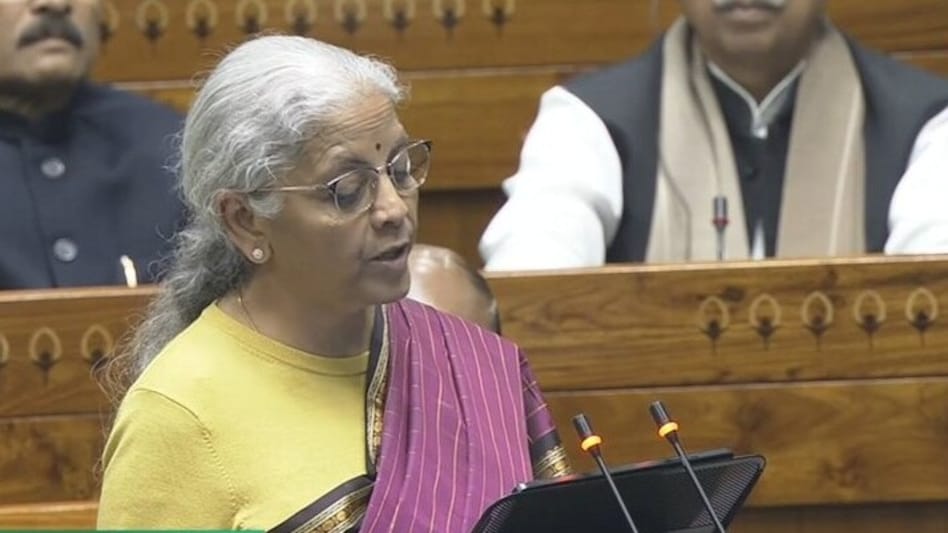
Union Budget 2026 Live: The Union Budget has delivered welcome relief for Indians planning overseas travel, with Finance Minister Nirmala Sitharaman announcing a significant reduction in the Tax Collected at Source (TCS) on foreign tour programme packages. The move is expected to make international travel more affordable and ease the upfront tax burden on travellers.
Under the proposal, the TCS rate on overseas tour packages will be slashed from the existing 5% and 20% slabs to a uniform 2%, with no minimum spending threshold. As a result, travellers booking international tour packages will pay substantially lower tax at the time of purchase, simplifying the process from a tax compliance perspective.
 Bangladesh turns to India for wheat as Black Sea disruption pushes up prices
 Morgan Stanley accidentally leaks 100-plus deal pipeline, including India IPOs: Report
 Sebi may ease margin requirements for longer-tenure F&O products
 India boosts LPG production as festive demand rises and Gulf supplies remain uncertain
 No petrol, diesel price hike proposal yet; govt may support OMCs if crude stays high
 India Growth Outlook Gets Major Boost: S&P, Fitch, ADB Raise FY27 Forecasts; OECD Upgrades 2026 View
 A-One Steels IPO Explained: Key Details, Growth Strategy & Future Outlook | Management Live
 Market Commentary: Nifty Outlook, Stocks & Market Strategy | Deven Choksey
 Ignore Large Caps? Why Investors Are Chasing High P/E Mid Cap Stocks Now
 30 IPOs In A Month: Deven Choksey On IPO Flipping And Secondary Market Liquidity
 Sebi may ease margin requirements for longer-tenure F&O products
 RBI to conduct OMO sale of Rs 25,000 crore in government bonds on September 28
 NSE shares: Deven Choksey lists reasons for long-term investment; calls stock 'shock absorber' in volatile markets
 Crude oil prices fall for sixth session; PL Capital explains what could happen next
 Mazagon Dock, GRSE shares: Does short-term bounce signal trend reversal? Analyst decodes
 Hormuz shock accelerates the shift to electricity: Why countries are turning to electrification for energy security
 Kenny the parrot’s Cybertruck covered in his own face sparks hilarious internet reactions
 A ₹1,400 flea-market find became a ₹2.5 crore masterpiece 70 years later. Here’s whyMorgan Stanley accidentally leaks 100-plus deal pipeline, including India IPOs: Report
 FSSAI flags misleading claims, prohibited food products on Amazon, Swiggy, Zepto platforms












