


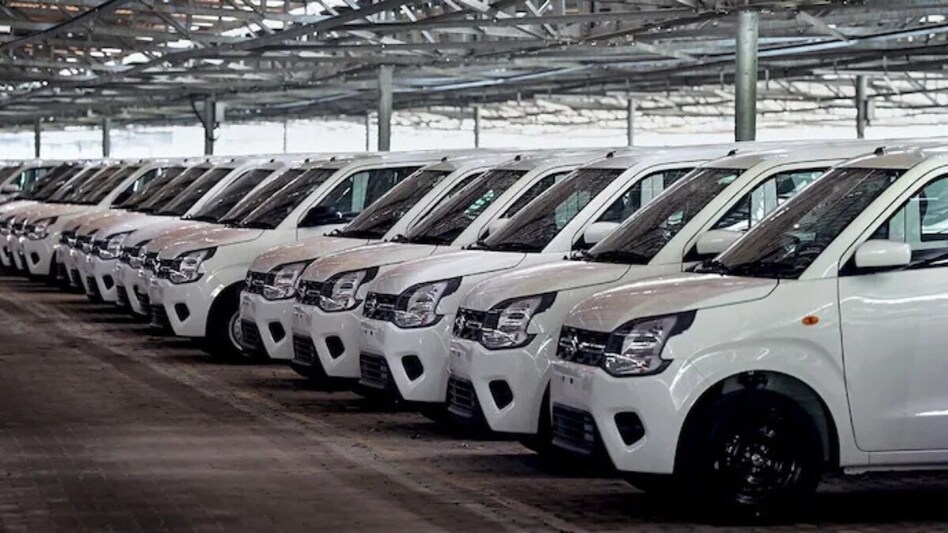
 Large SUV and luxury car buyers should brace for higher prices or look for pre-GST deals.
Starting September 22, buying a small car or bike in India is about to get cheaper, while luxury SUVs and hybrids could cost more. The government’s revamped GST structure slashes taxes on compact vehicles but hikes rates on large premium models.
Under the new rules, small cars — defined as petrol engines up to 1200cc, diesel up to 1500cc, and under 4 meters in length — will attract just 18% GST, down from the previous 28%. This is expected to reduce ex-showroom prices by 5–10% for popular models like the Maruti Swift, Hyundai i10, Tata Punch, and compact SUVs like the Brezza and Venue.

 GST Council to take up proposal of MDR on UPI
 Tata Sons rejects Noel Tata objections over N. Chandrasekaran reappointment
 SEBI rewrites PMS rulebook, allows IPO, foreign securities and unlisted debt investments
 BT Big Story: Is 66% = zero? The Tata Sons question on everyone’s minds
  Govt, IBA to work on mechanism to ensure UPI MDR isn't passed on to consumers
 Meta’s New Gadgets: Camera-Free Glasses, VR Eyewear And AI Handheld Device Unveiled
  MDR Levy: Will Retail Trading Volumes Take A Hit? | NSE Chairman Srinivas Injeti
 NSE Lists At ₹1,800: Exclusive Post-Listing Interview With India's Largest Exchange
 From Mobile Trading To AI: How NSE Plans To Protect Market Integrity
 NSE On India’s Capital Markets Growth | IPOs, REITs, InvITs And More
 SEBI rewrites PMS rulebook, allows IPO, foreign securities and unlisted debt investments
 HSBC plans India equity broking return amid IPO boom, says report
 Whirlpool of India clarifies on promoter stake sale report; stock slips
 From Azim Premji to DMart’s Radhakishan Damani: The famous investors sitting on thousands of crores in NSE shares
 Solar Industries stock gets 'Buy' call on defence push and global explosives growthGST Council to take up proposal of MDR on UPISEBI rewrites PMS rulebook, allows IPO, foreign securities and unlisted debt investments
 Who was T N Seshan? Former CEC trending amid SIR row; check his key role in transforming Indian pollsGovt, IBA to work on mechanism to ensure UPI MDR isn't passed on to consumers
 Oil rises as Iran threat to widen war dims hopes of Strait of Hormuz deal












