


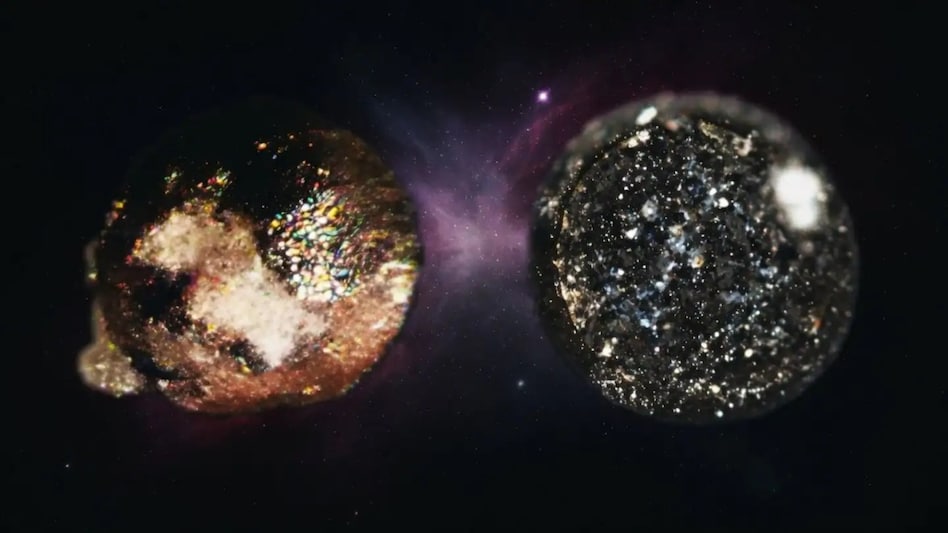
 Inside these microscopic grains, they identified a previously unknown metallic alloy made up primarily of iron, chromium, nickel, manganese, molybdenum, silicon and aluminium.
 More than eight decades after the atomic bomb devastated Hiroshima, scientists have found an unexpected relic of the explosion — not a weapon or a historical artifact, but a metal never before seen on Earth.
Hidden inside microscopic particles scattered by the 1945 blast, the newly identified material appears to have formed in the split second when extreme heat, immense pressure and rapid cooling transformed ordinary building materials into something entirely new.

 Missing July 31 ITR deadline? Here's what happens next — and how you can still file your tax return
 RBI says interest rates on deposits must be uniform, but banks get more flexibility on bulk deposits
 China overtakes US in robotics race with 15 new unicorn startups in 2026
 'Focus on renewables to ensure energy independence': PM Modi tells CCS amid Hormuz tensions
 US-Iran war: Trump, team under scrutiny over allegations of playing the stock market; here’s what’s happening
 What Is The Best Age To Buy Term Insurance? Here's Why Buying Early Can Save You More
 Q1 Earnings Show Slow Growth, But Devarsh Vakil Expects Stronger Recovery Ahead For Markets
 India Market Outlook: FII Flows May Fuel Large Cap Rally As Global Money Returns To Indian Markets
 Kia Syros EV First Drive Review | 526 KM Range, Premium Cabin | Better Than Tata Nexon EV?
 Asian Paints Exclusive: B2B Growth To Outpace Market, Competition Still Brutal
 NSE IPO coming soon: SEBI in-principle accepts revised settlement term; Q1 results & more
 Sensex, Nifty extend gains as auto stocks shine; what's next?
 Vedanta Q1 profit rises 72% YoY; announces demerger of real estate business into VPPL
 Tech Mahindra, Coforge, Persistent shares top IT picks: HDFC Securities
  Swiggy Q1 earnings: Net loss narrows to Rs 791 crore, revenue rises 37%NSE IPO coming soon: SEBI in-principle accepts revised settlement term; Q1 results & more
 Could Earth sustain 8 billion people? Why scientists say 4 billion may be better
 OTT releases this week (July 27 - Aug 02): 'The Devil Wears Prada 2', 'Gatta Kusthi 2', 'Hai Jawani Toh Ishq Hona Hai' and more to watch this weekendWhat Is The Best Age To Buy Term Insurance? Here's Why Buying Early Can Save You More
 Canara Bank vs Union Bank FD rates 2026: Which PSU bank offers higher returns for your fixed deposit?










