


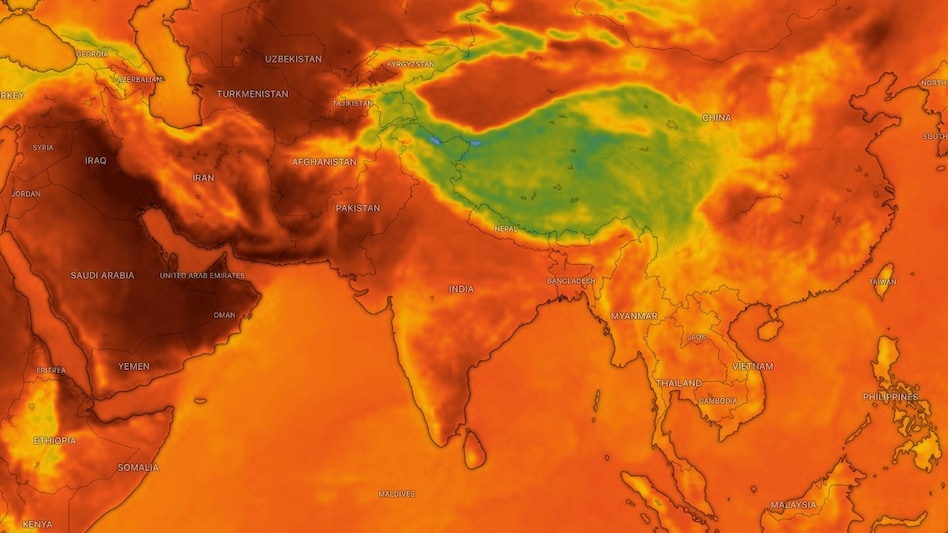
 El Nino develops when unusually warm waters spread across the central and eastern Pacific, affecting atmospheric circulation far beyond the region.
A developing El Nino in the tropical Pacific is showing signs of becoming an unusually powerful climate event, with scientists warning that it could peak in November-December and drive global temperatures to unprecedented levels, according to a report by India Today.
Sea surface temperatures across the equatorial Pacific have already reached "Super El Nino" status. But researchers are closely watching the much larger store of heat beneath the ocean, which could rise to the surface in the coming months and further strengthen the phenomenon.

 NSE IPO: Should you subscribe? Check price band, key details, fresh GMP, valuations & brokerage view
 BRICS Summit 2026: Chinese President Xi Jinping lands in Delhi; Modi-Xi bilateral talks today
 Xi lands in India: China Southern Airlines resumes Delhi-Guangzhou direct flights after 6 years
 Xi Jinping in Delhi: Why China's armoured state limousine was covered in black?
 BRICS Summit 2026: Malaysia, Ethiopia want stronger defence cooperation with India
 U.P CM Yogi Adityanath Says Youth Still Read Books, Need Better Access In Digital Age
 BRICS 2026: South African President Cyril Ramaphosa Meets Gautam Adani
 Why Gen Z Chooses Experiences Over Traditional Financial Goals Like Homes And Cars
 PM Modi At BRICS Business Forum: From UPI To AI, India’s Innovation Story Goes Global
 PM Modi’s Thirukkural Diplomacy: Why He Gifted Putin A Russian Translation Of The Tamil Classic
 SEBI proposes bringing unexecuted Iceberg orders into closing auction
 SEBI proposes new expiry-day settlement formula for derivatives after CAS concerns
 Silver may climb to Rs 3.25 lakh, but January peak looks distant: Navneet DamaniNSE IPO: Should you subscribe? Check price band, key details, fresh GMP, valuations & brokerage view
 Sebi’s Demat 2.0 lays groundwork for tokenising more regulated financial assetsSEBI proposes bringing unexecuted Iceberg orders into closing auction
 BRICS Summit 2026: Third Southeast Asian country eyes BrahMos missile dealU.P CM Yogi Adityanath Says Youth Still Read Books, Need Better Access In Digital Age
 PM Modi Meets Abu Dhabi Crown Prince Sheikh Khaled On BRICS Summit Sidelines In DelhiXi Jinping in Delhi: Why China's armoured state limousine was covered in black?












