


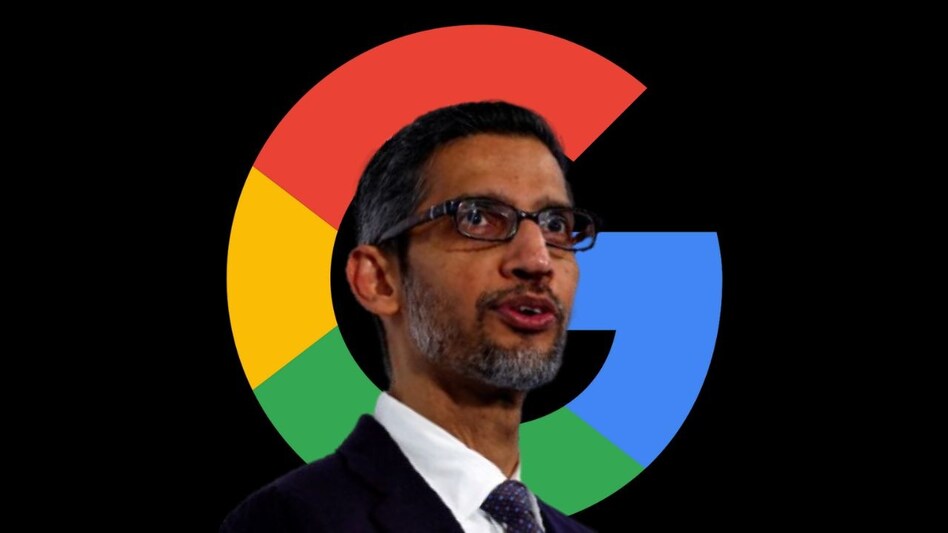
 Google CEO Sundar Pichai
Google CEO Sundar Pichai has confirmed that the company is in discussions with Apple to integrate its Gemini artificial intelligence model directly into iPhones. Speaking during court proceedings in Washington on Wednesday, as part of the ongoing antitrust trial brought by the US Department of Justice (DOJ), Pichai said he hopes to finalise an agreement with Apple by the middle of 2025.
According to Reuters, Pichai revealed under questioning by DOJ attorney Veronica Onyema that he had discussed the possibility of a partnership with Apple CEO Tim Cook in 2023 and continued those conversations throughout 2024. He added that a deal this year would see Gemini AI included within Apple Intelligence, Apple’s suite of AI-powered features.

 Repeated ₹2,000 UPI payments for one purchase? Your bank could flag the pattern: What it means
 US govt vs Anthropic: DC appeals court upholds Pentagon blacklist order. What it means?
 Historic! Home loans in India are now cheaper than the US -- What NRIs must know
 Xi Jinping in US: Beijing, Washington agree to $30 billion reciprocal tariff cut, says report
 Bangkok under water: Cars float on submerged streets as 50 districts declared disaster zones. Watch
 R Veeramani Case: Granite Tycoon Faces Widening POCSO Probe In Chennai
 Gen Z And Money: Why Young Investors Want Quick Returns Over Long-Term Wealth Creation
 How Is Alexa+ Different? Will It have Ads Even If You Pay? Exclusive Chat
 Demand Robust Across Segments | Production To Ramp Up, Exports To Expand: Vivek Srivatsa
 GST Council To Meet On October 7: Invoice Matching, ITC & UPI MDR Tax In Focus
 IPO rush: Four IPOs conclude today; check subscription status, other details of issues still open
 Meesho shares slip 7% as Nomura assigns 'reduce' call; here's what the brokerage says
  Sensex, Nifty extend losing streak to seventh week, longest since 2020: What's next?
 Suzlon in bear grip: Oversold signals emerge near 52-week low for the stock
  EIL shares jump 7% to hit record high; stock up nearly 62% in six months: What's driving the rise?
 Oracle among 22 firms facing 2-year ban from IIT campus placements over revoked offers: Report
  El Niño effect? Maharashtra declares drought across 265 talukas as rain deficit grips 74% of stateBangkok under water: Cars float on submerged streets as 50 districts declared disaster zones. WatchXi Jinping in US: Beijing, Washington agree to $30 billion reciprocal tariff cut, says report
 MMR overtakes NCR as India’s biggest housing market: Mumbai region takes 26% share












