


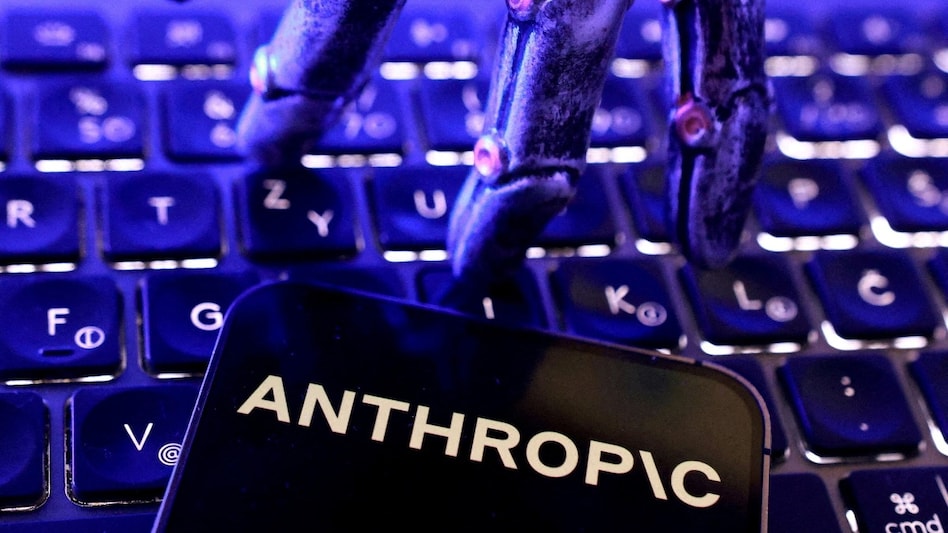
 The San Francisco-based firm, creator of the Claude assistant family, is setting up physical wet-lab operations to directly test and refine its algorithmic predictions in biological systems.
 Artificial intelligence startup Anthropic has quietly established a dedicated biology laboratory, marking a significant strategic expansion into AI-driven drug discovery, as reported by Reuters. The San Francisco-based firm, creator of the Claude assistant family, is setting up physical wet-lab operations to directly test and refine its algorithmic predictions in biological systems.
The move signals a growing ambition among top-tier frontier model developers to transition from digital text generation into heavy-impact scientific breakthroughs. By grounding its computational models in empirical biological feedback, Anthropic aims to accelerate the identification and optimisation of novel therapeutics, directly competing with specialised AI drug discovery firms and big-tech rivals pushing deeper into healthcare.

 Jefferies' Christopher Wood sees gold at $10,000 'sooner or later'; likes India's small, midcaps
 NSE IPO fully subscribed on Day 2; QIB, NII quotas booked 1.3 times each
 Warren Buffett steps down as Chairman after 60 years: What changes at Berkshire Hathaway now
 Net direct tax rises 13% to over ₹12.12 lakh crore till Sept 17
 Satya Nadella highlights India’s AI talent, sees massive developer community emerging by 2030
 Nestle India Faces FSSAI Action Over Claims On Infant Nutrition Products NAN Excella And Lactogen
 Tata Sons Listing Debate: SP Group Backs Listing, Mistry Calls For Cooperation
 BTTV Exclusive | Jefferies’ Chris Wood On AI, US Bonds, Oil & India’s Market Outlook
 LIVE What’s Hot: Stocks, Gold & Big Money Moves | Daily Markets Show | September 17 | Business Today
 From NPAs To Infrastructure: CEA On How India’s Economy Has Changed Under PM Modi
 Banks are no more secular growth story, prefer NBFCs: Chris WoodJefferies' Christopher Wood sees gold at $10,000 'sooner or later'; likes India's small, midcaps
 NSE IPO: Applying for short-term gains from share sale? Analyst says this
 STT collections jump 52.9% to Rs 40,214 crore in FY27 so far; key details
 Kaynes Technology stock needs breakout confirmation; Moschip preferred semiconductor pick: Analyst
  WhatsApp rolls out new search shortcut on iOS for chats and channelsNestle India Faces FSSAI Action Over Claims On Infant Nutrition Products NAN Excella And LactogenTata Sons Listing Debate: SP Group Backs Listing, Mistry Calls For Cooperation
 India’s first dengue vaccine is coming: Dr Reddy’s ties up with Japan’s TakedaBanks are no more secular growth story, prefer NBFCs: Chris Wood












