


 China also has a large talent pool, but Pai clarified that China has a nearly $20 trillion economy and its technology workforce is largely confined within its own national firewall.
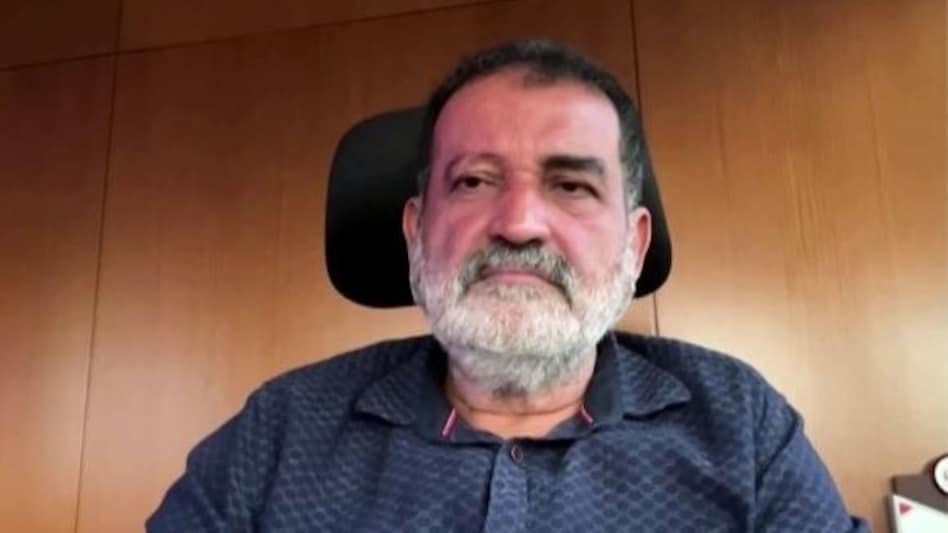
India is the only place in the world with the human capital capable of supporting global technology and innovation on an unprecedented scale, said Mohandas Pai, Chairperson of Manipal Global Education and former board member at Infosys, emphasizing how this can be a force multiplier for the United States.
"The United States' domination in technology on a large scale globally is due to the India connection and the work that they do in the labs and everywhere here. Going forward, the next five years are going to be the most exciting for technology, and India and the United States are going to work closely together," he asserted during a session at India Global Innovation Connect (IGIC) 2024.

 India braves global headwinds: Q1GDP surges 7.8% as investment and services fire on all cylinders
  HDFC Bank races to hire search firm for new CEO: Report
 Centre fast-tracks HMT revival plan; ₹2,000 crore package under consideration
  Semicon 2.0 notified: ₹1.27 lakh crore scheme widens India’s chip ambitions
 Defense boost: Tata Advanced Systems signs MoU for Javelin missile co-production
 Nepal Floods Ground Report: Towns Flattened, Thousands Missing As Rivers Unleash Devastation
 India GDP Growth Seen At 7.2%: Ajay Bagga's Take On Slowdown, Oil Shock & Monsoon Risks
 RSS Chief Mohan Bhagwat's Big Hindu-Muslim Message In New York Sparks Political Debate
 MSCI Rebalancing Today: Laurus Labs, Lenskart, Adani Energy & Grow In Focus
 Nepal Flood Horror: +900 Dead, Many Missing As Bhote Koshi Surges Again | India Steps In
 Nifty Bank jumps over 600 points in last five minutes; CAS in focus
 Indian market outlook: ‘Pessimism is excessive’; Maneesh Dangi turns neutral, sees better 6-12 months
 IPOs and the art of creating alpha: What Aashish Somaiyaa says
 HDFC Bank, L&T Finance, GE Shipping, M&M, LG Electronics shares: Expert weighs in
 Inox Wind share price: Hold or average? Expert flags weak earnings, says wait for revival
 Healthy makeover: Zomato bans synthetic dairy dishes, warns restaurants over menu transparency
 Sony accuses Anthropic of copying its music for Claude AI training; AI giant could pay up to $150,000 per song HDFC Bank races to hire search firm for new CEO: ReportIndia braves global headwinds: Q1GDP surges 7.8% as investment and services fire on all cylinders Nifty Bank jumps over 600 points in last five minutes; CAS in focus












